
Iran dismisses US ceasefire plan as war escalates, Hormuz tensions keep oil markets on edge: Report
The proposal, delivered through Pakistan as part of mediation efforts, reportedly included conditions related to sanctions relief, nuclear limits, missile restrictions, and reopening the Strait of Hormuz.
- Mar 25, 2026,
- Updated Mar 25, 2026 9:18 PM IST
Iran has rejected a US-backed ceasefire proposal aimed at pausing the ongoing conflict in West Asia, even as Washington continues to deploy additional troops and military assets to the region, according to a report by the Associated Press. The proposal, delivered through Pakistan as part of mediation efforts, reportedly included conditions related to sanctions relief, nuclear limits, missile restrictions, and reopening the Strait of Hormuz — a vital route for global oil shipments.
Tehran has not confirmed receiving the plan and has publicly downplayed the diplomatic push, while continuing military operations against Israel and regional targets. Iranian officials indicated that past experiences with US negotiations have made them sceptical of such proposals, and there is no sign yet that formal talks will begin.
Iran rejects key conditions
Officials familiar with the discussions said the US proposal included around 15 points designed to create a framework for a ceasefire. These reportedly covered partial sanctions relief for Iran, limits on its nuclear programme, restrictions on ballistic missiles, and conditions related to Iran’s support for armed groups in the region. The plan also sought to ensure safe navigation through the Strait of Hormuz, through which nearly one-fifth of the world’s oil supply passes.
However, several of these conditions are seen as unacceptable to Tehran. Iran has repeatedly said it will not negotiate its missile programme or regional alliances, which it considers essential for national security. Control over the Strait of Hormuz is also viewed by Iranian leaders as a major strategic lever, making any agreement on the issue difficult.
US boosts troop presence
Even as ceasefire efforts continue, the United States is increasing its military deployment in the region. Around 1,000 troops from the 82nd Airborne Division are expected to be sent to the Middle East, along with roughly 5,000 Marines and additional naval forces. The move suggests Washington is preparing for further escalation even while pursuing diplomatic options.
Mediators are attempting to arrange direct talks between US and Iranian officials, possibly in Pakistan, but both sides remain cautious. Iranian leaders have denied that negotiations are underway, saying previous diplomatic engagements with the US ended in military action.
Fighting spreads across the region
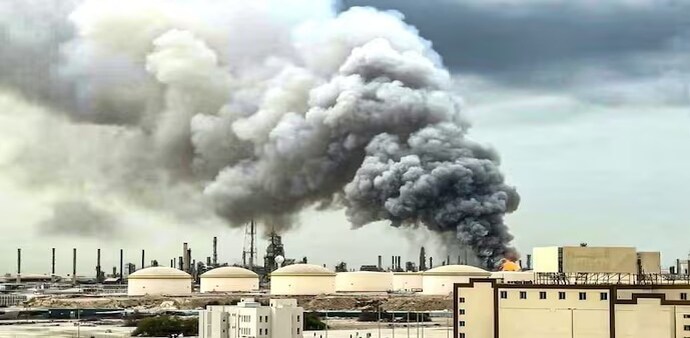
Meanwhile, the conflict continues to widen. Israel has launched fresh airstrikes on targets in Tehran and other areas, while Iran and its allies have responded with missiles and drones targeting Israel and Gulf countries. Attacks have also affected energy infrastructure in parts of the Gulf, including incidents reported in Kuwait, Saudi Arabia and Bahrain.
The war has already disrupted global energy markets, with oil prices surging close to $120 per barrel at one stage before easing slightly on hopes of negotiations. However, prices remain elevated as restrictions around the Strait of Hormuz continue to threaten supply.
With no clear breakthrough in talks, analysts warn that the conflict could keep oil markets volatile and pose risks to global trade and economic stability in the weeks ahead.
Iran has rejected a US-backed ceasefire proposal aimed at pausing the ongoing conflict in West Asia, even as Washington continues to deploy additional troops and military assets to the region, according to a report by the Associated Press. The proposal, delivered through Pakistan as part of mediation efforts, reportedly included conditions related to sanctions relief, nuclear limits, missile restrictions, and reopening the Strait of Hormuz — a vital route for global oil shipments.
Tehran has not confirmed receiving the plan and has publicly downplayed the diplomatic push, while continuing military operations against Israel and regional targets. Iranian officials indicated that past experiences with US negotiations have made them sceptical of such proposals, and there is no sign yet that formal talks will begin.
Iran rejects key conditions
Officials familiar with the discussions said the US proposal included around 15 points designed to create a framework for a ceasefire. These reportedly covered partial sanctions relief for Iran, limits on its nuclear programme, restrictions on ballistic missiles, and conditions related to Iran’s support for armed groups in the region. The plan also sought to ensure safe navigation through the Strait of Hormuz, through which nearly one-fifth of the world’s oil supply passes.
However, several of these conditions are seen as unacceptable to Tehran. Iran has repeatedly said it will not negotiate its missile programme or regional alliances, which it considers essential for national security. Control over the Strait of Hormuz is also viewed by Iranian leaders as a major strategic lever, making any agreement on the issue difficult.
US boosts troop presence
Even as ceasefire efforts continue, the United States is increasing its military deployment in the region. Around 1,000 troops from the 82nd Airborne Division are expected to be sent to the Middle East, along with roughly 5,000 Marines and additional naval forces. The move suggests Washington is preparing for further escalation even while pursuing diplomatic options.
Mediators are attempting to arrange direct talks between US and Iranian officials, possibly in Pakistan, but both sides remain cautious. Iranian leaders have denied that negotiations are underway, saying previous diplomatic engagements with the US ended in military action.
Fighting spreads across the region
Meanwhile, the conflict continues to widen. Israel has launched fresh airstrikes on targets in Tehran and other areas, while Iran and its allies have responded with missiles and drones targeting Israel and Gulf countries. Attacks have also affected energy infrastructure in parts of the Gulf, including incidents reported in Kuwait, Saudi Arabia and Bahrain.
The war has already disrupted global energy markets, with oil prices surging close to $120 per barrel at one stage before easing slightly on hopes of negotiations. However, prices remain elevated as restrictions around the Strait of Hormuz continue to threaten supply.
With no clear breakthrough in talks, analysts warn that the conflict could keep oil markets volatile and pose risks to global trade and economic stability in the weeks ahead.