
US strikes Iran after three tankers hit in Hormuz; oil sanctions licence revoked same day
US Central Command confirmed the action in a post on X, saying its forces had "begun launching a series of powerful strikes against Iran"
- Jul 8, 2026,
- Updated Jul 8, 2026 7:43 AM IST
Three commercial ships were hit in the Strait of Hormuz on Tuesday, setting off a rapid escalation in the Gulf. Within hours, the United States carried out military strikes on Iran, withdrew a sanctions waiver linked to Iranian oil and accused Tehran of violating the ceasefire.
US Central Command confirmed the action in a post on X, saying its forces had "begun launching a series of powerful strikes against Iran."
It said the strikes were triggered by attacks on commercial shipping. "The US strikes are in response to Iranian attacks on three commercial vessels that were transiting the Strait of Hormuz. Iran's demonstrated aggression was unwarranted, dangerous, and a clear violation of the ceasefire," CENTCOM said.
What the US targeted
A US official told Reuters that the strikes were aimed at Iran’s military infrastructure in the south of the country. The targets included air defence systems, coastal surveillance facilities, surface-to-air missiles, anti-ship cruise missiles and drone launch sites.
Iranian state media reported explosions at several locations. In Sirik, a southern coastal city, seven blasts were heard, with six projectiles said to have hit the Taheroui Pier area. Explosions were also reported on Qeshm Island and in Bandar Abbas.
Iranian media later said several people suffered shrapnel injuries at the Sirik commercial pier. State television reported that the situation in Bandar Abbas and on Qeshm Island had returned to normal, though blasts were still being heard in Sirik.
Iranian President Masoud Pezeshkian, who was in Iraq at the time, returned to Iran after the strikes.
Tanker attacks in the Strait of Hormuz
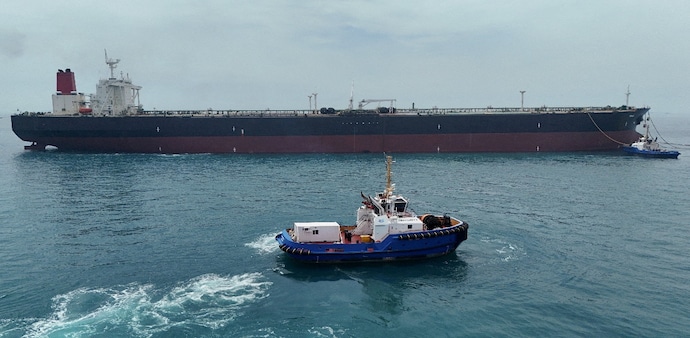
The US action followed attacks on three tankers in the Strait of Hormuz, one of the world’s most important energy transit routes.
The British military confirmed that three tankers had been struck by projectiles on Tuesday. The United Nations International Maritime Organisation said it was the highest number of vessel attacks recorded in a single day since late April.
The UK Maritime Trade Operations centre said one tanker caught fire after being hit off the coast of Oman. Iranian state television said the liquefied natural gas tanker had been attacked after ignoring warnings, though it did not directly claim responsibility.
The other two vessels were damaged but continued their journeys. No injuries were reported.
Location data from the UK agency indicated that all three incidents took place off the coast of Oman or the UAE, along a route near Oman that Iran has repeatedly described as unsafe.
US revokes oil sanctions waiver
The tanker attacks were followed by another punitive step from Washington.
The United States revoked a 60-day licence issued by the Treasury Department the previous month. The licence had temporarily waived sanctions on Iranian oil production and sales until August 21.
A US official told the Associated Press that the decision was a direct response to Iran’s actions in the Strait of Hormuz, which Washington viewed as unacceptable and requiring consequences.
Iran’s mission to the United Nations did not immediately respond to a request for comment.
Talks stalled, ceasefire under pressure
The latest escalation comes as US-Iran talks remain stalled and the interim agreement that had briefly lowered tensions appears increasingly fragile.
Washington has been pushing for negotiations aimed at fully reopening the Strait of Hormuz, limiting Iran’s nuclear programme and reaching a permanent settlement to the conflict that began on February 28.
Before the latest breakdown, US Vice President JD Vance had said earlier talks in Switzerland had created "a good foundation for a successful final deal."
Why Hormuz matters
The Strait of Hormuz is a critical global energy corridor. In normal times, about one-fifth of the world’s traded oil and natural gas passes through the narrow waterway.
Past rounds of tanker attacks and US military action have led to retaliatory moves by Iran against Gulf Arab states. The latest strikes have raised fresh concerns that the confrontation could widen further across the region.
Three commercial ships were hit in the Strait of Hormuz on Tuesday, setting off a rapid escalation in the Gulf. Within hours, the United States carried out military strikes on Iran, withdrew a sanctions waiver linked to Iranian oil and accused Tehran of violating the ceasefire.
US Central Command confirmed the action in a post on X, saying its forces had "begun launching a series of powerful strikes against Iran."
It said the strikes were triggered by attacks on commercial shipping. "The US strikes are in response to Iranian attacks on three commercial vessels that were transiting the Strait of Hormuz. Iran's demonstrated aggression was unwarranted, dangerous, and a clear violation of the ceasefire," CENTCOM said.
What the US targeted
A US official told Reuters that the strikes were aimed at Iran’s military infrastructure in the south of the country. The targets included air defence systems, coastal surveillance facilities, surface-to-air missiles, anti-ship cruise missiles and drone launch sites.
Iranian state media reported explosions at several locations. In Sirik, a southern coastal city, seven blasts were heard, with six projectiles said to have hit the Taheroui Pier area. Explosions were also reported on Qeshm Island and in Bandar Abbas.
Iranian media later said several people suffered shrapnel injuries at the Sirik commercial pier. State television reported that the situation in Bandar Abbas and on Qeshm Island had returned to normal, though blasts were still being heard in Sirik.
Iranian President Masoud Pezeshkian, who was in Iraq at the time, returned to Iran after the strikes.
Tanker attacks in the Strait of Hormuz
The US action followed attacks on three tankers in the Strait of Hormuz, one of the world’s most important energy transit routes.
The British military confirmed that three tankers had been struck by projectiles on Tuesday. The United Nations International Maritime Organisation said it was the highest number of vessel attacks recorded in a single day since late April.
The UK Maritime Trade Operations centre said one tanker caught fire after being hit off the coast of Oman. Iranian state television said the liquefied natural gas tanker had been attacked after ignoring warnings, though it did not directly claim responsibility.
The other two vessels were damaged but continued their journeys. No injuries were reported.
Location data from the UK agency indicated that all three incidents took place off the coast of Oman or the UAE, along a route near Oman that Iran has repeatedly described as unsafe.
US revokes oil sanctions waiver
The tanker attacks were followed by another punitive step from Washington.
The United States revoked a 60-day licence issued by the Treasury Department the previous month. The licence had temporarily waived sanctions on Iranian oil production and sales until August 21.
A US official told the Associated Press that the decision was a direct response to Iran’s actions in the Strait of Hormuz, which Washington viewed as unacceptable and requiring consequences.
Iran’s mission to the United Nations did not immediately respond to a request for comment.
Talks stalled, ceasefire under pressure
The latest escalation comes as US-Iran talks remain stalled and the interim agreement that had briefly lowered tensions appears increasingly fragile.
Washington has been pushing for negotiations aimed at fully reopening the Strait of Hormuz, limiting Iran’s nuclear programme and reaching a permanent settlement to the conflict that began on February 28.
Before the latest breakdown, US Vice President JD Vance had said earlier talks in Switzerland had created "a good foundation for a successful final deal."
Why Hormuz matters
The Strait of Hormuz is a critical global energy corridor. In normal times, about one-fifth of the world’s traded oil and natural gas passes through the narrow waterway.
Past rounds of tanker attacks and US military action have led to retaliatory moves by Iran against Gulf Arab states. The latest strikes have raised fresh concerns that the confrontation could widen further across the region.