
US’s Iran war goals ‘ahead of schedule’, achievable without ground troops, says Marco Rubio
Rubio also warned that ensuring shipping access through the strategically vital Strait of Hormuz will likely become an immediate challenge once the current military phase of the conflict ends.
- Mar 27, 2026,
- Updated Mar 27, 2026 10:48 PM IST
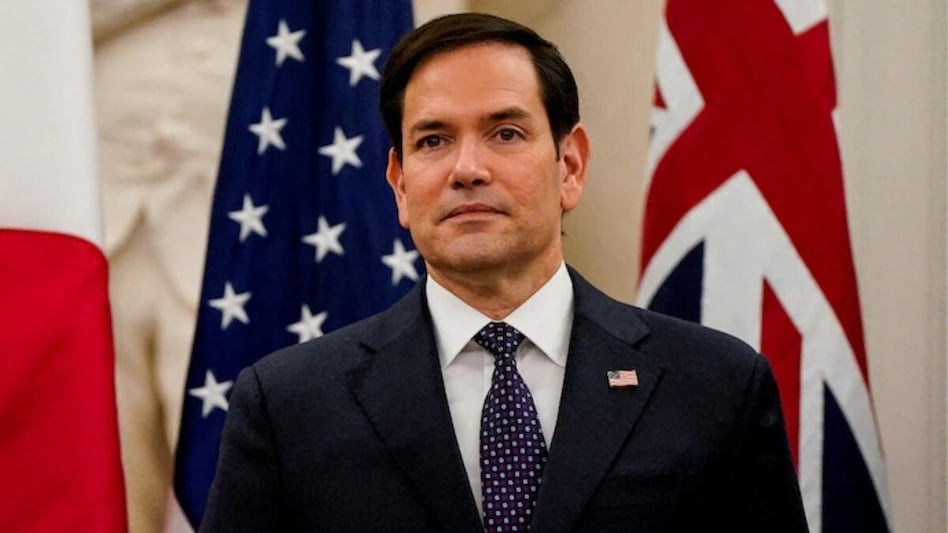
US Secretary of State Marco Rubio said Washington believes it can achieve its military objectives in Iran without deploying ground troops, even as thousands of American soldiers are being sent to the region.
Speaking to reporters after a G7 meeting in France, Rubio declined to discuss specific military tactics but said the United States’ goals in Iran were progressing faster than expected.
“I won’t discuss military tactics,” Rubio said, adding that most US objectives are already “ahead of schedule.” He stressed that Washington believes it can accomplish its goals “without any ground troops.”
Rubio said on March 27 the US expects its operation in Iran to conclude in “weeks, not months” after he met with G7 foreign ministers in France.
Troops deployed for contingencies
Despite the statement, the United States has begun deploying thousands of troops to the region as the conflict continues. Among them are at least 1,000 soldiers from the elite 82nd Airborne Division.
Rubio said the troop deployments are meant to give President Donald Trump flexibility should the situation escalate.
“He has to be prepared for multiple contingencies,” Rubio said, noting that the presence of U.S. forces provides “maximum optionality and maximum opportunity to adjust to contingencies should they emerge.”
Concern over Strait of Hormuz shipping
Rubio also warned that ensuring shipping access through the strategically vital Strait of Hormuz will likely become an immediate challenge once the current military phase of the conflict ends.
The narrow waterway is one of the world’s most critical oil transit routes, handling a significant portion of global energy shipments.
Rubio said the United States is concerned Iran may attempt to impose tolls on ships passing through the strait, a move he said could disrupt global trade and energy markets.
“Not only is this illegal, it’s unacceptable. It’s dangerous to the world,” Rubio said. He added that Washington will seek international cooperation to ensure freedom of navigation in the waterway once hostilities subside.
“It’s important that the world have a plan,” he said.
Rubio dismisses Russia’s role
Rubio also dismissed reports that Russia has been assisting Iran by providing intelligence to help target US military assets in the Middle East.
Responding to questions about the reports, Rubio said Moscow’s actions were not affecting US operations. “There is nothing Russia is doing for Iran that is in any way impeding or affecting our operation or the effectiveness,” he said.
US troop casualties mount
Meanwhile, the US military confirmed that more than 300 American service members have been wounded since the start of the conflict. According to United States Central Command, about 303 troops have been injured since the launch of Operation Epic Fury on February 28.
US Navy Captain Tim Hawkins said the majority of those injuries were minor, with 273 troops already returning to duty. However, a US official said 10 personnel remain seriously wounded.
The latest figures also show that 13 US troops have been killed in the conflict — seven in the Gulf region and six in Iraq.
US Secretary of State Marco Rubio said Washington believes it can achieve its military objectives in Iran without deploying ground troops, even as thousands of American soldiers are being sent to the region.
Speaking to reporters after a G7 meeting in France, Rubio declined to discuss specific military tactics but said the United States’ goals in Iran were progressing faster than expected.
“I won’t discuss military tactics,” Rubio said, adding that most US objectives are already “ahead of schedule.” He stressed that Washington believes it can accomplish its goals “without any ground troops.”
Rubio said on March 27 the US expects its operation in Iran to conclude in “weeks, not months” after he met with G7 foreign ministers in France.
Troops deployed for contingencies
Despite the statement, the United States has begun deploying thousands of troops to the region as the conflict continues. Among them are at least 1,000 soldiers from the elite 82nd Airborne Division.
Rubio said the troop deployments are meant to give President Donald Trump flexibility should the situation escalate.
“He has to be prepared for multiple contingencies,” Rubio said, noting that the presence of U.S. forces provides “maximum optionality and maximum opportunity to adjust to contingencies should they emerge.”
Concern over Strait of Hormuz shipping
Rubio also warned that ensuring shipping access through the strategically vital Strait of Hormuz will likely become an immediate challenge once the current military phase of the conflict ends.
The narrow waterway is one of the world’s most critical oil transit routes, handling a significant portion of global energy shipments.
Rubio said the United States is concerned Iran may attempt to impose tolls on ships passing through the strait, a move he said could disrupt global trade and energy markets.
“Not only is this illegal, it’s unacceptable. It’s dangerous to the world,” Rubio said. He added that Washington will seek international cooperation to ensure freedom of navigation in the waterway once hostilities subside.
“It’s important that the world have a plan,” he said.
Rubio dismisses Russia’s role
Rubio also dismissed reports that Russia has been assisting Iran by providing intelligence to help target US military assets in the Middle East.
Responding to questions about the reports, Rubio said Moscow’s actions were not affecting US operations. “There is nothing Russia is doing for Iran that is in any way impeding or affecting our operation or the effectiveness,” he said.
US troop casualties mount
Meanwhile, the US military confirmed that more than 300 American service members have been wounded since the start of the conflict. According to United States Central Command, about 303 troops have been injured since the launch of Operation Epic Fury on February 28.
US Navy Captain Tim Hawkins said the majority of those injuries were minor, with 273 troops already returning to duty. However, a US official said 10 personnel remain seriously wounded.
The latest figures also show that 13 US troops have been killed in the conflict — seven in the Gulf region and six in Iraq.