
'Very good' chance of a deal: Trump says Iran agreed to nuclear curbs, weekend talks likely
Trump also said Iran had agreed to hand over its stockpile of enriched uranium as part of the proposed agreement
- Apr 17, 2026,
- Updated Apr 17, 2026 8:13 AM IST
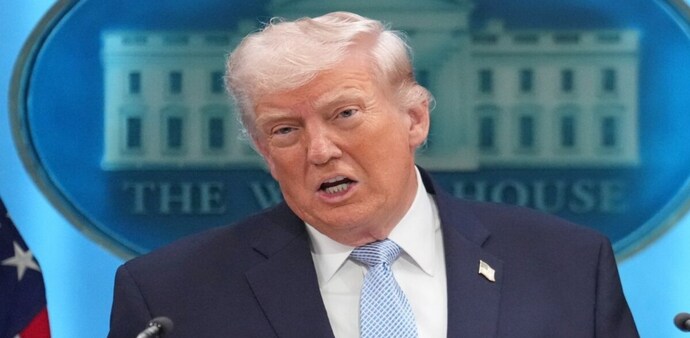
Iran has agreed not to pursue nuclear weapons and is prepared to hand over its enriched uranium stockpile, US President Donald Trump said on April 16, describing the prospect of a final agreement as "very good" and indicating that another round of talks could take place as early as the weekend.
Speaking at a press briefing, Trump said the deal currently being negotiated could extend beyond 20 years, and that Tehran had "agreed to almost everything" as part of the proposed framework. "Iran has agreed not to have a nuclear weapon; they have agreed to it very powerfully. They have agreed to give us back the nuclear dust. We have a lot of agreement with Iran, and I think something is going to happen very positively," he said.
Close, but not close enough
Trump said Iran had agreed to hand over its stockpile of enriched uranium as part of the proposed agreement. "They've agreed to give us back the nuclear dust," he told reporters, using his own term for the enriched uranium that Washington says could be used to build nuclear weapons. "There's a very good chance we're going to make a deal."
He also struck an unexpectedly warm tone on US-Iran relations, saying Washington has a very "good relationship with Iran right now, as hard as it is to believe. And I think it's a combination of about four weeks of bombing, and a very powerful blockade."
On the question of extending the ceasefire, Trump was noncommittal. "I'm not sure it needs to be extended," he said. "Iran wants to make a deal and we're dealing very nicely with them." He added that the next round of US-Iran talks may take place over the weekend.
'Might go to Islamabad'
Speaking to the reporters, Trump further added that if an agreement is reached and a deal is signed with Iran, he might go to Islamabad.
"If a deal is signed in Islamabad, I may go," Trump said. "They want me."
What happened in Islamabad
Representatives from Washington and Tehran met in Islamabad for peace talks mediated by Pakistani Prime Minister Shehbaz Sharif and Field Marshal Asim Munir. The US delegation was led by Vice President JD Vance; Iran's by Parliament Speaker Mohammad Bagher Ghalibaf.
After 21 hours of continuous negotiation, Vance announced the talks had "failed," the team would return to the US without a deal. Iran had not agreed to America's core condition of abandoning its nuclear weapons programme.
Iran was equally blunt in its assessment. "The Iranian delegation negotiated continuously and intensively for 21 hours in order to protect the national interests of the Iranian people; despite various initiatives from the Iranian delegation, the unreasonable demands of the American side prevented the progress of the negotiations. Thus, the negotiations ended," AFP quoted Iranian state broadcaster IRIB as saying on Telegram.
The core issues on the table included the reopening of the Strait of Hormuz, the nuclear question, the lifting of sanctions, and a complete end to the war against Iran.
Iran has agreed not to pursue nuclear weapons and is prepared to hand over its enriched uranium stockpile, US President Donald Trump said on April 16, describing the prospect of a final agreement as "very good" and indicating that another round of talks could take place as early as the weekend.
Speaking at a press briefing, Trump said the deal currently being negotiated could extend beyond 20 years, and that Tehran had "agreed to almost everything" as part of the proposed framework. "Iran has agreed not to have a nuclear weapon; they have agreed to it very powerfully. They have agreed to give us back the nuclear dust. We have a lot of agreement with Iran, and I think something is going to happen very positively," he said.
Close, but not close enough
Trump said Iran had agreed to hand over its stockpile of enriched uranium as part of the proposed agreement. "They've agreed to give us back the nuclear dust," he told reporters, using his own term for the enriched uranium that Washington says could be used to build nuclear weapons. "There's a very good chance we're going to make a deal."
He also struck an unexpectedly warm tone on US-Iran relations, saying Washington has a very "good relationship with Iran right now, as hard as it is to believe. And I think it's a combination of about four weeks of bombing, and a very powerful blockade."
On the question of extending the ceasefire, Trump was noncommittal. "I'm not sure it needs to be extended," he said. "Iran wants to make a deal and we're dealing very nicely with them." He added that the next round of US-Iran talks may take place over the weekend.
'Might go to Islamabad'
Speaking to the reporters, Trump further added that if an agreement is reached and a deal is signed with Iran, he might go to Islamabad.
"If a deal is signed in Islamabad, I may go," Trump said. "They want me."
What happened in Islamabad
Representatives from Washington and Tehran met in Islamabad for peace talks mediated by Pakistani Prime Minister Shehbaz Sharif and Field Marshal Asim Munir. The US delegation was led by Vice President JD Vance; Iran's by Parliament Speaker Mohammad Bagher Ghalibaf.
After 21 hours of continuous negotiation, Vance announced the talks had "failed," the team would return to the US without a deal. Iran had not agreed to America's core condition of abandoning its nuclear weapons programme.
Iran was equally blunt in its assessment. "The Iranian delegation negotiated continuously and intensively for 21 hours in order to protect the national interests of the Iranian people; despite various initiatives from the Iranian delegation, the unreasonable demands of the American side prevented the progress of the negotiations. Thus, the negotiations ended," AFP quoted Iranian state broadcaster IRIB as saying on Telegram.
The core issues on the table included the reopening of the Strait of Hormuz, the nuclear question, the lifting of sanctions, and a complete end to the war against Iran.