
'We don't know where the fuel is': Australian state declares emergency over supply breakdown
"Unfortunately, our efforts are being (hindered) by not having the full visibility of the fuel supply chain," says Premier Roger Cook
- Apr 1, 2026,
- Updated Apr 1, 2026 4:25 PM IST
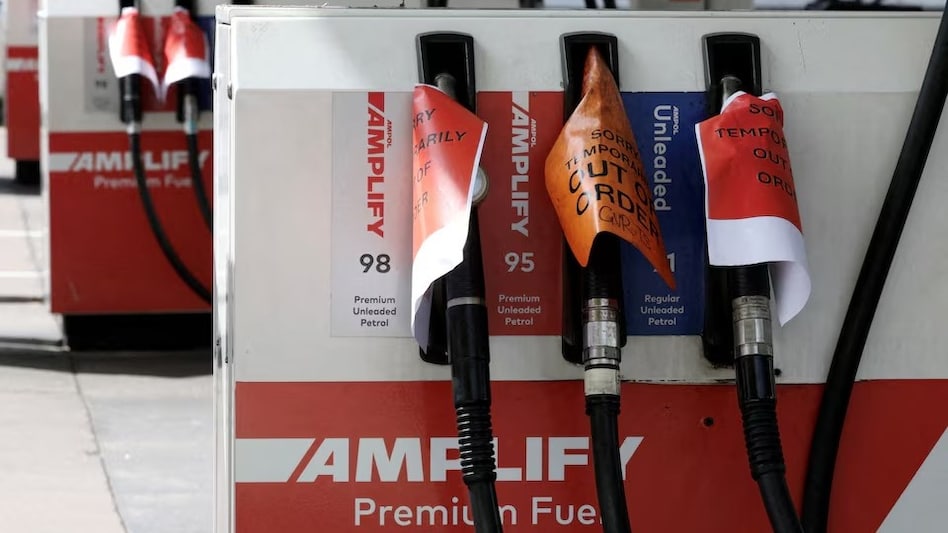
Western Australia, one of the six states, has declared a state of emergency after fuel companies failed to provide critical supply data, leaving authorities without a clear picture of fuel availability.
Must read: Trump considers US exit from NATO: 'It's a paper tiger, even Putin knows it'
Premier Roger Cook said the move followed limited compliance with a government deadline seeking details on fuel volumes, shipments, and delivery schedules.
"Unfortunately, our efforts are being (hindered) by not having the full visibility of the fuel supply chain," Cook said on Wednesday. "In some cases, we don't know where the fuel is."
Must Read: India has 2 months of crude oil stock, no dry outs reported: Govt
Only three of six fuel companies responded to the request, prompting the government to invoke powers under the Fuel, Energy and Power Resources Act 1972. The orders will take effect on Thursday, with parliament set to be recalled on April 14 to table them.
The information is needed to redirect fuel supplies to regional areas that have been hit hardest by shortages.
Energy Minister Amber-Jade Sanderson said the lack of transparency was affecting the state’s ability to manage the situation. "Full transparency is crucial for staying ahead of the situation and keeping WA’s economy running and protecting our way of life," she said.
The state-level emergency comes as the federal government warned of prolonged economic pressure from the conflict in West Asia.
In a national address, Australian Prime Minister Anthony Albanese said the war had driven a sharp increase in fuel prices across the country.
"The war in the Middle East has caused the biggest spike in petrol and diesel prices in history. Australia is not an active participant in this war. But all Australians are paying higher prices because of it," he said, adding that "the economic shocks caused by this war will be with us for months."
Albanese urged consumers to avoid panic buying and conserve fuel where possible. "Now, it’s the Australian way that people want to do their bit – and there are simple ways that you can. You should go about your business and your life, as normal. Enjoy your Easter. If you’re hitting the road, don’t take more fuel than you need – just fill up like you normally would."
He also said the economic effects of the conflict were likely to persist. "The months ahead may not be easy. I want to be upfront about that. No government can promise to eliminate the pressures that this war is causing. I can promise we will do everything we can to protect Australia from the worst of it."
Western Australia, one of the six states, has declared a state of emergency after fuel companies failed to provide critical supply data, leaving authorities without a clear picture of fuel availability.
Must read: Trump considers US exit from NATO: 'It's a paper tiger, even Putin knows it'
Premier Roger Cook said the move followed limited compliance with a government deadline seeking details on fuel volumes, shipments, and delivery schedules.
"Unfortunately, our efforts are being (hindered) by not having the full visibility of the fuel supply chain," Cook said on Wednesday. "In some cases, we don't know where the fuel is."
Must Read: India has 2 months of crude oil stock, no dry outs reported: Govt
Only three of six fuel companies responded to the request, prompting the government to invoke powers under the Fuel, Energy and Power Resources Act 1972. The orders will take effect on Thursday, with parliament set to be recalled on April 14 to table them.
The information is needed to redirect fuel supplies to regional areas that have been hit hardest by shortages.
Energy Minister Amber-Jade Sanderson said the lack of transparency was affecting the state’s ability to manage the situation. "Full transparency is crucial for staying ahead of the situation and keeping WA’s economy running and protecting our way of life," she said.
The state-level emergency comes as the federal government warned of prolonged economic pressure from the conflict in West Asia.
In a national address, Australian Prime Minister Anthony Albanese said the war had driven a sharp increase in fuel prices across the country.
"The war in the Middle East has caused the biggest spike in petrol and diesel prices in history. Australia is not an active participant in this war. But all Australians are paying higher prices because of it," he said, adding that "the economic shocks caused by this war will be with us for months."
Albanese urged consumers to avoid panic buying and conserve fuel where possible. "Now, it’s the Australian way that people want to do their bit – and there are simple ways that you can. You should go about your business and your life, as normal. Enjoy your Easter. If you’re hitting the road, don’t take more fuel than you need – just fill up like you normally would."
He also said the economic effects of the conflict were likely to persist. "The months ahead may not be easy. I want to be upfront about that. No government can promise to eliminate the pressures that this war is causing. I can promise we will do everything we can to protect Australia from the worst of it."