
West Asia war brings India’s LPG caverns into focus amidst shortage
Oil marketing companies are carrying out detailed technical and economic feasibility studies for putting up additional underground caverns for LPG storage.
- Mar 10, 2026,
- Updated Mar 10, 2026 11:43 AM IST
As the war in West Asia and the blockage of the Strait of Hormuz put the squeeze on liquefied petroleum gas (LPG) supply to India, oil marketing companies (OMCs) are scrambling to conduct detailed technical and economic feasibility studies for putting up additional caverns in the country to meet domestic needs.
Interestingly, much before the war began, a parliamentary standing committee had last December recommended that the Ministry of Petroleum and Natural Gas (MoPNG) and OMCs explore the possibility of constructing more caverns across the country wherever geological conditions are favourable to bolster India’s energy security.
OMCs are utilising LPG cavern storage in Visakhapatnam for import of propane and butane. Hindustan Petroleum Corporation (HPCL) commissioned India’s largest underground rock cavern for LPG storage in Mangaluru, Karnataka, last year. Located within the premises of an existing LPG plant, it has a storage capacity of 80,000 tonnes, making it the largest such facility in India.
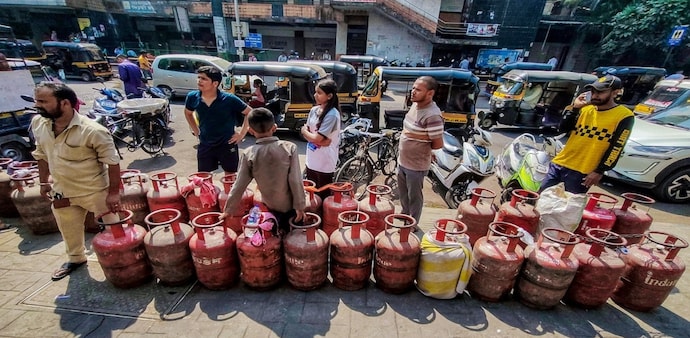
LPG caverns are underground facilities for storing large quantities of gas. They have gained further importance in the present scenario with India already facing a shortage of LPG, forcing hotels and restaurants in some cities to close their kitchens. LPG supply to India from Saudi Arabia has been hit by the closure of the Strait of Hormuz.
The Committee on Petroleum and Natural Gas, chaired by Nationalist Congress Party Lok Sabha MP Sunil Dattatray Tatkare, noted that the country is developing underground LPG caverns to increase storage capacity of LPG and to enhance safety and security.
The Committee noted that the caverns offer a secure and eco-friendly way to store large quantities of gas. “OMCs are exploring the use of rock caverns for LPG storage thereby augmenting India’s energy infrastructure and enhancing logistical efficiency,” said the committee.
Appreciating the initiative, the committee said it: “recommend[s] the Ministry/OMCs to explore possibility of constructing more such cavern projects across the country wherever geological conditions are favorable keeping in view overall energy security of the country.”
As the war in West Asia and the blockage of the Strait of Hormuz put the squeeze on liquefied petroleum gas (LPG) supply to India, oil marketing companies (OMCs) are scrambling to conduct detailed technical and economic feasibility studies for putting up additional caverns in the country to meet domestic needs.
Interestingly, much before the war began, a parliamentary standing committee had last December recommended that the Ministry of Petroleum and Natural Gas (MoPNG) and OMCs explore the possibility of constructing more caverns across the country wherever geological conditions are favourable to bolster India’s energy security.
OMCs are utilising LPG cavern storage in Visakhapatnam for import of propane and butane. Hindustan Petroleum Corporation (HPCL) commissioned India’s largest underground rock cavern for LPG storage in Mangaluru, Karnataka, last year. Located within the premises of an existing LPG plant, it has a storage capacity of 80,000 tonnes, making it the largest such facility in India.
LPG caverns are underground facilities for storing large quantities of gas. They have gained further importance in the present scenario with India already facing a shortage of LPG, forcing hotels and restaurants in some cities to close their kitchens. LPG supply to India from Saudi Arabia has been hit by the closure of the Strait of Hormuz.
The Committee on Petroleum and Natural Gas, chaired by Nationalist Congress Party Lok Sabha MP Sunil Dattatray Tatkare, noted that the country is developing underground LPG caverns to increase storage capacity of LPG and to enhance safety and security.
The Committee noted that the caverns offer a secure and eco-friendly way to store large quantities of gas. “OMCs are exploring the use of rock caverns for LPG storage thereby augmenting India’s energy infrastructure and enhancing logistical efficiency,” said the committee.
Appreciating the initiative, the committee said it: “recommend[s] the Ministry/OMCs to explore possibility of constructing more such cavern projects across the country wherever geological conditions are favorable keeping in view overall energy security of the country.”