
Why Iran won't give up control over Hormuz: West Asia expert explains Tehran's strategy
Why Iran won't give up control over Hormuz: West Asia expert explains Tehran's strategy
Iran's leaders suspected that the MoU was a temporary retreat by the US, intended to relieve pressure on the global economy and prepare for another round of war, says West Asia expert Vali Nasr
Business Today Desk
- Jul 19, 2026,
- Updated Jul 19, 2026 8:57 AM IST
As the conflict between the United States and Iran intensifies, Iranian-American political scientist and West Asia expert Vali Nasr has explained why Tehran believes it has little choice but to escalate the war rather than show restraint.
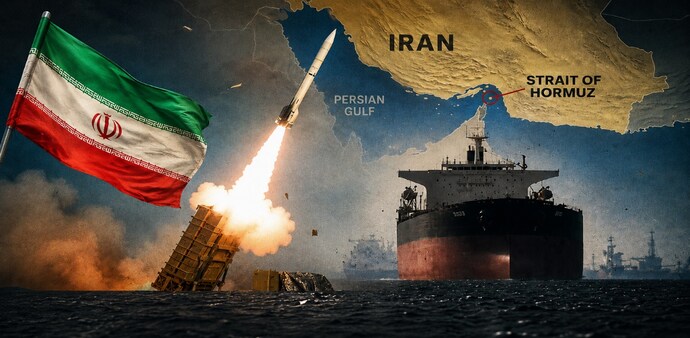
In a post on Sunday, Nasr argued that Iran's leadership views control over the Strait of Hormuz as its most important strategic leverage and believes relinquishing that advantage would leave it with little bargaining power in future negotiations with Washington.
Advertisement
Why Tehran Chose Escalation
According to Nasr, Iran's leaders never viewed the recently signed Islamabad Memorandum of Understanding (MoU) as a durable peace agreement.
"Iran's leaders suspected that the MoU was a temporary retreat by the US, intended to relieve pressure on the global economy and prepare for another round of war."
He said Tehran believes that showing restraint would only encourage Washington to exert greater pressure. "Iran's current rulers believe that any display of restraint will only invite further American pressure."
Instead, Iran sees escalation as a way to force the US back to the negotiating table for what it considers a meaningful and lasting settlement.
Advertisement
Nasr wrote that Iran wants negotiations that go beyond a ceasefire and lead to a broader nuclear agreement providing both security guarantees and economic relief.
"To deter the US, and to compel it to negotiate in earnest for an end to the war and a broader nuclear deal that would give Tehran the security and economic relief it craves, they believe Iran has to be aggressive and escalate the conflict beyond what the US is prepared to countenance."
Why Hormuz Matters
Nasr said the Strait of Hormuz remains Tehran's strongest source of leverage.
"The one point of leverage Iran is not prepared to part with is its claim to the Strait of Hormuz and its ability to control access to it."
Advertisement
He argued that surrendering dominance over the strategic waterway would weaken Iran's negotiating position. "Losing dominance in the strait would leave Iran without any leverage in future negotiations."
According to Nasr, Iranian leaders now believe retaining influence over Hormuz is critical to securing favourable terms in any future agreement with Washington.
"Iran's leaders have decided that retaining control of the strait is essential to securing future wins at the negotiating table and ensuring that the US implements the deal rather than walking away from it."
The Strait of Hormuz is one of the world's most strategically important maritime chokepoints and accounted for roughly 20 per cent of global oil supplies before the war.
Peace Deal Collapses
The latest escalation follows the collapse of the 14-point Islamabad Memorandum of Understanding signed by the United States and Iran on June 17, to end the West Asia conflict.
The agreement unravelled after Iran attacked ships in the Strait of Hormuz, prompting retaliatory US strikes. US President Donald Trump has since declared that the deal is over.
Iran has also announced that it is suspending its commitments under the interim agreement.
Iranian Deputy Foreign Minister Kazem Gharibabadi said the US had breached its commitments and Tehran was therefore "no longer implementing them."
Advertisement
Fresh US Strikes
On Sunday, the US military launched new airstrikes against Iran, saying the operation was intended to "swiftly punish" the Islamic Revolutionary Guard Corps (IRGC) for attacks in Jordan that killed two American service members.
US Central Command said the strikes were designed to further reduce Iran's ability to restrict oil tanker traffic through the Strait of Hormuz. Iranian state media reported that areas near Sirik on the Strait of Hormuz were targeted.
The latest strikes came after the US military confirmed its first combat deaths from direct Iranian fire since the early days of the conflict. Since the war began, 16 American service members have been killed and more than 430 injured.
Meanwhile, drone strikes also hit a base of the Kurdistan Freedom Party near Irbil in Iraq, injuring eight members. Iranian-backed groups have previously been accused of carrying out attacks in Iraq's Kurdish region, where US forces are also stationed.
Iran's Supreme Leader Mojtaba Khamenei warned that the US would face "unforgettable lessons" if it continued attacking Iran, while calling President Donald Trump's signature "worthless and invalid."
As the conflict between the United States and Iran intensifies, Iranian-American political scientist and West Asia expert Vali Nasr has explained why Tehran believes it has little choice but to escalate the war rather than show restraint.
In a post on Sunday, Nasr argued that Iran's leadership views control over the Strait of Hormuz as its most important strategic leverage and believes relinquishing that advantage would leave it with little bargaining power in future negotiations with Washington.
Advertisement
Why Tehran Chose Escalation
According to Nasr, Iran's leaders never viewed the recently signed Islamabad Memorandum of Understanding (MoU) as a durable peace agreement.
"Iran's leaders suspected that the MoU was a temporary retreat by the US, intended to relieve pressure on the global economy and prepare for another round of war."
He said Tehran believes that showing restraint would only encourage Washington to exert greater pressure. "Iran's current rulers believe that any display of restraint will only invite further American pressure."
Instead, Iran sees escalation as a way to force the US back to the negotiating table for what it considers a meaningful and lasting settlement.
Advertisement
Nasr wrote that Iran wants negotiations that go beyond a ceasefire and lead to a broader nuclear agreement providing both security guarantees and economic relief.
"To deter the US, and to compel it to negotiate in earnest for an end to the war and a broader nuclear deal that would give Tehran the security and economic relief it craves, they believe Iran has to be aggressive and escalate the conflict beyond what the US is prepared to countenance."
Why Hormuz Matters
Nasr said the Strait of Hormuz remains Tehran's strongest source of leverage.
"The one point of leverage Iran is not prepared to part with is its claim to the Strait of Hormuz and its ability to control access to it."
Advertisement
He argued that surrendering dominance over the strategic waterway would weaken Iran's negotiating position. "Losing dominance in the strait would leave Iran without any leverage in future negotiations."
According to Nasr, Iranian leaders now believe retaining influence over Hormuz is critical to securing favourable terms in any future agreement with Washington.
"Iran's leaders have decided that retaining control of the strait is essential to securing future wins at the negotiating table and ensuring that the US implements the deal rather than walking away from it."
The Strait of Hormuz is one of the world's most strategically important maritime chokepoints and accounted for roughly 20 per cent of global oil supplies before the war.
Peace Deal Collapses
The latest escalation follows the collapse of the 14-point Islamabad Memorandum of Understanding signed by the United States and Iran on June 17, to end the West Asia conflict.
The agreement unravelled after Iran attacked ships in the Strait of Hormuz, prompting retaliatory US strikes. US President Donald Trump has since declared that the deal is over.
Iran has also announced that it is suspending its commitments under the interim agreement.
Iranian Deputy Foreign Minister Kazem Gharibabadi said the US had breached its commitments and Tehran was therefore "no longer implementing them."
Advertisement
Fresh US Strikes
On Sunday, the US military launched new airstrikes against Iran, saying the operation was intended to "swiftly punish" the Islamic Revolutionary Guard Corps (IRGC) for attacks in Jordan that killed two American service members.
US Central Command said the strikes were designed to further reduce Iran's ability to restrict oil tanker traffic through the Strait of Hormuz. Iranian state media reported that areas near Sirik on the Strait of Hormuz were targeted.
The latest strikes came after the US military confirmed its first combat deaths from direct Iranian fire since the early days of the conflict. Since the war began, 16 American service members have been killed and more than 430 injured.
Meanwhile, drone strikes also hit a base of the Kurdistan Freedom Party near Irbil in Iraq, injuring eight members. Iranian-backed groups have previously been accused of carrying out attacks in Iraq's Kurdish region, where US forces are also stationed.
Iran's Supreme Leader Mojtaba Khamenei warned that the US would face "unforgettable lessons" if it continued attacking Iran, while calling President Donald Trump's signature "worthless and invalid."
Read more!