
'Worse than toilet paper': Khawaja Asif says US used and discarded Pakistan
Speaking during a parliamentary session, Asif said Pakistan’s decision to realign with the US after 1999, particularly over Afghanistan, inflicted serious and lasting damage on the country
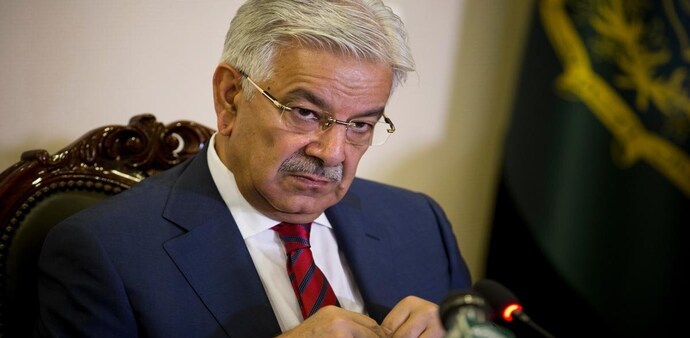
- Feb 11, 2026,
- Updated Feb 11, 2026 8:28 AM IST
Pakistan’s Defence Minister Khawaja Asif delivered one of his sharpest critiques yet of Islamabad’s ties with Washington, telling Parliament that the United States exploited Pakistan for its strategic interests and later treated it as “worse than toilet paper.”
Speaking during a parliamentary session, Asif said Pakistan’s decision to realign with the US after 1999, particularly over Afghanistan, inflicted deep and lasting damage on the country. He described the pursuit of American backing as a grave miscalculation whose consequences are still unfolding decades later.
‘Jihad was misused’
Challenging long-standing official narratives, Asif rejected the claim that Pakistan’s involvement in the Afghanistan conflict was driven by religious obligation. He said Pakistanis were mobilised and sent to fight under the banner of jihad, calling that framing both misleading and destructive.
Asif argued that the anti-Soviet war in Afghanistan during the 1980s was shaped by American geopolitical priorities rather than any genuine religious imperative, insisting the circumstances never justified declaring jihad.
He added that Pakistan’s education system was reshaped to legitimise these wars and that many of those ideological shifts remain embedded today. According to the defence minister, Pakistan’s participation in conflicts that were not its own led to long-term instability and social damage that has yet to be reversed.
‘Used and discarded’
Asif said the costs of aligning with Washington after 1999, particularly following the September 11, 2001 attacks, were severe. He accused former military rulers Zia-ul-Haq and Pervez Musharraf of drawing Pakistan into external wars, leaving the country to deal with the consequences long after its allies had moved on.
Using blunt language in the House, Asif said Pakistan was treated “worse than toilet paper”, used and then thrown away.
Referring to the post-2001 period, he said Pakistan turned against the Taliban to support the US-led war on terror, only for Washington to eventually withdraw while Pakistan remained grappling with violence, radicalisation and economic strain.
“The losses we suffered can never be compensated,” Asif said, describing those decisions as irreversible mistakes that reduced Pakistan to a pawn in conflicts driven by others.
Pakistan’s Defence Minister Khawaja Asif delivered one of his sharpest critiques yet of Islamabad’s ties with Washington, telling Parliament that the United States exploited Pakistan for its strategic interests and later treated it as “worse than toilet paper.”
Speaking during a parliamentary session, Asif said Pakistan’s decision to realign with the US after 1999, particularly over Afghanistan, inflicted deep and lasting damage on the country. He described the pursuit of American backing as a grave miscalculation whose consequences are still unfolding decades later.
‘Jihad was misused’
Challenging long-standing official narratives, Asif rejected the claim that Pakistan’s involvement in the Afghanistan conflict was driven by religious obligation. He said Pakistanis were mobilised and sent to fight under the banner of jihad, calling that framing both misleading and destructive.
Asif argued that the anti-Soviet war in Afghanistan during the 1980s was shaped by American geopolitical priorities rather than any genuine religious imperative, insisting the circumstances never justified declaring jihad.
He added that Pakistan’s education system was reshaped to legitimise these wars and that many of those ideological shifts remain embedded today. According to the defence minister, Pakistan’s participation in conflicts that were not its own led to long-term instability and social damage that has yet to be reversed.
‘Used and discarded’
Asif said the costs of aligning with Washington after 1999, particularly following the September 11, 2001 attacks, were severe. He accused former military rulers Zia-ul-Haq and Pervez Musharraf of drawing Pakistan into external wars, leaving the country to deal with the consequences long after its allies had moved on.
Using blunt language in the House, Asif said Pakistan was treated “worse than toilet paper”, used and then thrown away.
Referring to the post-2001 period, he said Pakistan turned against the Taliban to support the US-led war on terror, only for Washington to eventually withdraw while Pakistan remained grappling with violence, radicalisation and economic strain.
“The losses we suffered can never be compensated,” Asif said, describing those decisions as irreversible mistakes that reduced Pakistan to a pawn in conflicts driven by others.