
Donald Trump might impose 40% tariff on China imports in 2025; what could be its impact
The United States, with Donald Trump assuming the role of President, may impose tariffs of nearly 40% on imports from China next year, according to a recent poll of economists by Reuters.
- Nov 20, 2024,
- Updated Nov 20, 2024 7:39 PM IST
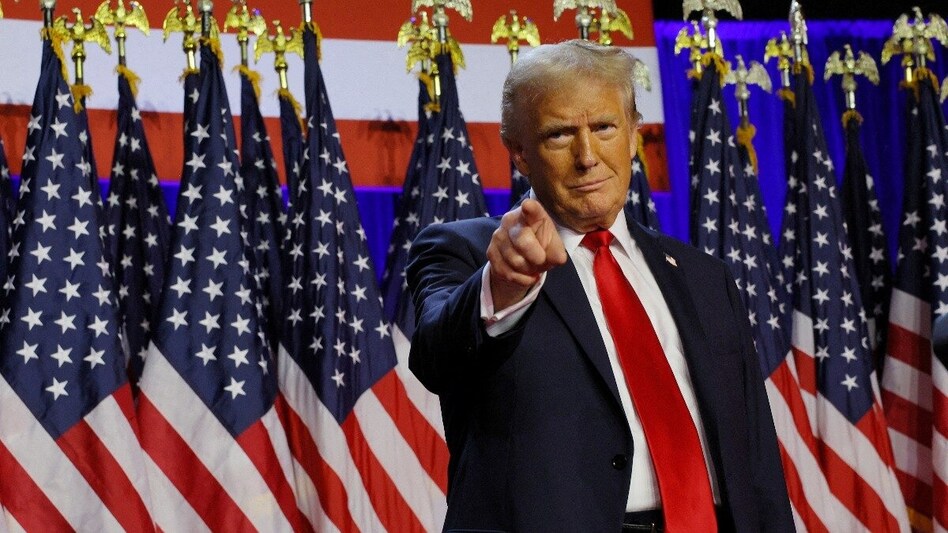
President-elect Donald Trump has previously promised to impose significant tariffs on Chinese imports as part of his "America First" trade policies.
The United States, with Donald Trump taking charge as the new President, may implement tariffs of nearly 40% on imports from China next year, a recent Reuters poll of economists revealed. This move is expected to potentially reduce growth in China, the world's second-largest economy, by up to 1 percentage point.
The poll noted that Trump, the President-elect of the US, is expected to refrain from implementing a widespread 60% tariff on Chinese goods. Following his decisive victory in the election on November 5, Donald Trump is set to assume office in January.
During his campaign, Trump vowed to impose significant tariffs on imports from China as part of his "America First" trade agenda, causing concern in Beijing and increasing economic risks for China.
The proposed tariff rates far exceed the 7.5%-25% levies imposed on China during his first term, and China's economy is currently facing challenges such as a prolonged property market decline, debt vulnerabilities, and weakened domestic demand.
The poll revealed that a significant majority, both within and beyond mainland China, anticipates that Trump will implement the tariffs by the beginning of next year. The average estimate is 38%, with forecasts falling between 15% and 60%. Nevertheless, the majority of economists do not foresee broad 60% tariffs on Chinese products in early 2025, as this could lead to an increase in inflation in the United States.
Impact on China's economy
China’s economy is now more vulnerable than it was during Trump's previous presidency. There has been an extended decline in the property market, increased concerns over debt, and subdued domestic consumer spending. Chinese authorities have escalated their efforts to boost economic growth through stimulus measures introduced in late September.
They are anticipated to confront heightened challenges in the upcoming year as they strive to bolster domestic demand in order to counterbalance a projected decrease in exports.
President-elect Donald Trump has previously promised to impose significant tariffs on Chinese imports as part of his "America First" trade policies.
The United States, with Donald Trump taking charge as the new President, may implement tariffs of nearly 40% on imports from China next year, a recent Reuters poll of economists revealed. This move is expected to potentially reduce growth in China, the world's second-largest economy, by up to 1 percentage point.
The poll noted that Trump, the President-elect of the US, is expected to refrain from implementing a widespread 60% tariff on Chinese goods. Following his decisive victory in the election on November 5, Donald Trump is set to assume office in January.
During his campaign, Trump vowed to impose significant tariffs on imports from China as part of his "America First" trade agenda, causing concern in Beijing and increasing economic risks for China.
The proposed tariff rates far exceed the 7.5%-25% levies imposed on China during his first term, and China's economy is currently facing challenges such as a prolonged property market decline, debt vulnerabilities, and weakened domestic demand.
The poll revealed that a significant majority, both within and beyond mainland China, anticipates that Trump will implement the tariffs by the beginning of next year. The average estimate is 38%, with forecasts falling between 15% and 60%. Nevertheless, the majority of economists do not foresee broad 60% tariffs on Chinese products in early 2025, as this could lead to an increase in inflation in the United States.
Impact on China's economy
China’s economy is now more vulnerable than it was during Trump's previous presidency. There has been an extended decline in the property market, increased concerns over debt, and subdued domestic consumer spending. Chinese authorities have escalated their efforts to boost economic growth through stimulus measures introduced in late September.
They are anticipated to confront heightened challenges in the upcoming year as they strive to bolster domestic demand in order to counterbalance a projected decrease in exports.