
Federal Reserve Governor Lisa Cook sues Donald Trump over attempted removal from office
Cook’s lawsuit argues that Trump breached federal law by announcing on August 25 his plan to fire her — an unprecedented move, since the president may only remove a Fed governor “for cause”.
- Aug 28, 2025,
- Updated Aug 28, 2025 9:44 PM IST
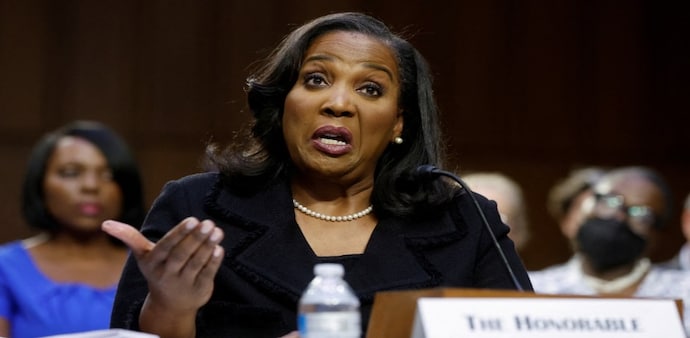
Federal Reserve Governor Lisa Cook has filed a lawsuit challenging President Donald Trump’s attempt to remove her from office, in what could become a landmark case for the independence of the US central bank. As per a report in news agency Reuters, Cook argued that under existing law, the president can only remove a Fed governor “for cause”, and that Trump’s August 25 announcement of her dismissal violated this statutory protection.
Cook, appointed to the Fed in 2022 by former president Joe Biden, is the first Black woman to serve on its powerful seven-member Board of Governors. Her lawsuit, filed on Thursday, asserted that Trump’s action not only lacks legal grounds but also threatens to undermine long-standing norms insulating the Federal Reserve from direct political control.
The dispute stems from Trump’s allegation that Cook engaged in mortgage fraud in 2021, before her Fed appointment. According to Trump, Cook improperly classified certain mortgages as primary residences in Michigan and Georgia, thereby securing lower interest rates than she would have obtained for investment properties. These claims were first raised publicly in August by William Pulte, a Trump appointee leading the Federal Housing Finance Agency, who referred the matter to Attorney General Pamela Bondi for review. Cook, however, disclosed the loans in Senate filings during her confirmation process, and experts have questioned whether such transactions — both predating her Fed role and publicly vetted — constitute adequate cause for dismissal.
The legal battle may ultimately reach the US Supreme Court, where justices have in recent years given presidents broader power to fire officials in independent agencies, the report stated. However, the Court has also hinted that the Federal Reserve could be a rare exception due to its central role in setting monetary policy and stabilizing global markets. The stakes are high: markets reacted swiftly after Trump’s removal threat, with the U.S. dollar falling against major currencies on concerns about Fed independence.
Trump’s effort to oust Cook follows a broader pattern. Earlier this year, he dismissed Gwynne Wilcox, the first Black woman on the National Labor Relations Board, as well as officials at several other agencies traditionally shielded from political interference. Critics say these moves amount to a direct assault on institutional independence, while Trump allies argue that insulation from presidential oversight infringes on executive authority.
Cook’s lawyers contend that Trump’s case lacks both legal merit and procedural fairness. In a prior statement, she said the president has “no authority” to remove her and that “no causes exist under the law.” If she were forced out, Trump would secure his fourth appointee to the Fed’s governing board, shifting its balance at a moment of intense debate over interest rates.
The Fed itself has maintained neutrality, with a spokesperson stating before the lawsuit that it would comply with any judicial ruling.
The controversy comes as Fed Chair Jerome Powell weighs a possible rate cut at the September 16–17 policy meeting. Powell recently warned of rising risks to the job market while noting that inflation remains elevated. His comments sent the Dow Jones Industrial Average surging more than 900 points, reflecting investor expectations for a quarter-point reduction.
Federal Reserve Governor Lisa Cook has filed a lawsuit challenging President Donald Trump’s attempt to remove her from office, in what could become a landmark case for the independence of the US central bank. As per a report in news agency Reuters, Cook argued that under existing law, the president can only remove a Fed governor “for cause”, and that Trump’s August 25 announcement of her dismissal violated this statutory protection.
Cook, appointed to the Fed in 2022 by former president Joe Biden, is the first Black woman to serve on its powerful seven-member Board of Governors. Her lawsuit, filed on Thursday, asserted that Trump’s action not only lacks legal grounds but also threatens to undermine long-standing norms insulating the Federal Reserve from direct political control.
The dispute stems from Trump’s allegation that Cook engaged in mortgage fraud in 2021, before her Fed appointment. According to Trump, Cook improperly classified certain mortgages as primary residences in Michigan and Georgia, thereby securing lower interest rates than she would have obtained for investment properties. These claims were first raised publicly in August by William Pulte, a Trump appointee leading the Federal Housing Finance Agency, who referred the matter to Attorney General Pamela Bondi for review. Cook, however, disclosed the loans in Senate filings during her confirmation process, and experts have questioned whether such transactions — both predating her Fed role and publicly vetted — constitute adequate cause for dismissal.
The legal battle may ultimately reach the US Supreme Court, where justices have in recent years given presidents broader power to fire officials in independent agencies, the report stated. However, the Court has also hinted that the Federal Reserve could be a rare exception due to its central role in setting monetary policy and stabilizing global markets. The stakes are high: markets reacted swiftly after Trump’s removal threat, with the U.S. dollar falling against major currencies on concerns about Fed independence.
Trump’s effort to oust Cook follows a broader pattern. Earlier this year, he dismissed Gwynne Wilcox, the first Black woman on the National Labor Relations Board, as well as officials at several other agencies traditionally shielded from political interference. Critics say these moves amount to a direct assault on institutional independence, while Trump allies argue that insulation from presidential oversight infringes on executive authority.
Cook’s lawyers contend that Trump’s case lacks both legal merit and procedural fairness. In a prior statement, she said the president has “no authority” to remove her and that “no causes exist under the law.” If she were forced out, Trump would secure his fourth appointee to the Fed’s governing board, shifting its balance at a moment of intense debate over interest rates.
The Fed itself has maintained neutrality, with a spokesperson stating before the lawsuit that it would comply with any judicial ruling.
The controversy comes as Fed Chair Jerome Powell weighs a possible rate cut at the September 16–17 policy meeting. Powell recently warned of rising risks to the job market while noting that inflation remains elevated. His comments sent the Dow Jones Industrial Average surging more than 900 points, reflecting investor expectations for a quarter-point reduction.