
Japan to Tunisia: What Donald Trump’s tariffs target and how they’ll hit American wallets
The tariffs, set to take effect August 1 unless new deals are reached, threaten to raise prices on everyday goods for millions of Americans.
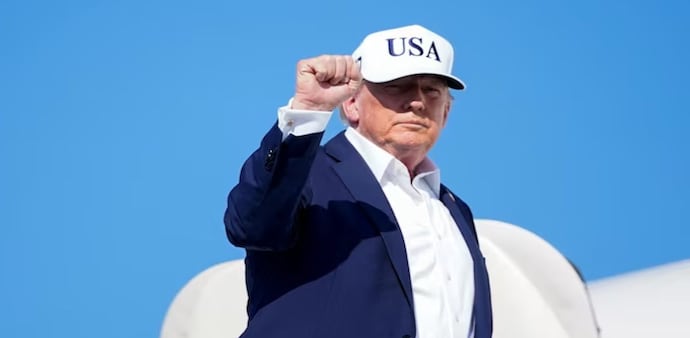
- Jul 8, 2025,
- Updated Jul 8, 2025 7:52 AM IST
President Donald Trump on July 7 issued tariff warning letters to 14 countries, targeting a wide range of imports—from cars and electronics to clothing and food—in a high-stakes push to reshape global trade.
The tariffs, set to take effect August 1 unless new deals are reached, threaten to raise prices on everyday goods for millions of Americans.
Japan – A major supplier of vehicles, electronics, and medical equipment. Tariffs could spike prices on cars, TVs, and diagnostic devices.South Korea – Sends semiconductors, auto parts, and ships. American electronics and tech manufacturing may face cost hikes and delays.Malaysia – Exports semiconductors, rubber, and plastics. Tariffs may drive up costs of computers, medical supplies, and home goods.Thailand – Provides electronics, seafood, and machinery. U.S. consumers could see higher seafood and electronics prices.Bangladesh – A top source of affordable clothing and footwear. Budget fashion in U.S. stores could jump in price.Cambodia – Sends low-cost apparel, leather goods, and furniture. Tariffs may hurt big-box retailers and raise prices for working-class families.Indonesia – Ships footwear, palm oil, and electronics. Americans may pay more for food products and consumer tech.South Africa – Supplies metals, cars, and fruit. Jewelry, fresh produce, and auto parts may become costlier.Serbia – Provides agricultural products and machinery. Modest price hikes expected on niche furniture and farming gear.Laos – Sends footwear and wood goods. Tariffs could make imported home furnishings more expensive.Myanmar – Exports similar low-cost goods as Laos. Impacts mirror Cambodia and Bangladesh.Bosnia & Herzegovina – Provides wood, metals, and footwear. Small-scale increases on niche goods expected.Kazakhstan – Exports oil, metals, and chemicals. Tariffs could affect fuel and industrial material prices.Tunisia – Known for olive oil, apparel, and machinery. Tariffs may hit grocery shelves and specialty food markets.
| Trading Partner | Previously Threatened | Newly Announced | Share of U.S. Imports |
|---|---|---|---|
| Japan | +24% | +25% | 4.5% |
| South Korea | +25% | +25% | 4.0% |
| Thailand | +36% | +36% | 1.9% |
| Malaysia | +24% | +25% | 1.6% |
| Indonesia | +32% | +32% | |
| South Africa | +30% | +30% | |
| Cambodia | +49% | +36% | |
| Bangladesh | +37% | +35% | |
| Kazakhstan | +27% | +25% | |
| Tunisia | +28% | +25% | |
| Serbia | +37% | +35% | |
| Laos | +48% | +40% | |
| Myanmar | +44% | +40% | |
| Bosnia and Herzegovina | +35% | +30% |
Across all sectors, Americans face higher costs. Economists predict an average household impact of $3,800–$4,000 per year, with inflation rising 1–1.5%. Retailers and manufacturers warn of disrupted supply chains, slower hiring, and potential job losses—while retaliatory tariffs abroad loom large.
President Donald Trump on July 7 issued tariff warning letters to 14 countries, targeting a wide range of imports—from cars and electronics to clothing and food—in a high-stakes push to reshape global trade.
The tariffs, set to take effect August 1 unless new deals are reached, threaten to raise prices on everyday goods for millions of Americans.
Japan – A major supplier of vehicles, electronics, and medical equipment. Tariffs could spike prices on cars, TVs, and diagnostic devices.South Korea – Sends semiconductors, auto parts, and ships. American electronics and tech manufacturing may face cost hikes and delays.Malaysia – Exports semiconductors, rubber, and plastics. Tariffs may drive up costs of computers, medical supplies, and home goods.Thailand – Provides electronics, seafood, and machinery. U.S. consumers could see higher seafood and electronics prices.Bangladesh – A top source of affordable clothing and footwear. Budget fashion in U.S. stores could jump in price.Cambodia – Sends low-cost apparel, leather goods, and furniture. Tariffs may hurt big-box retailers and raise prices for working-class families.Indonesia – Ships footwear, palm oil, and electronics. Americans may pay more for food products and consumer tech.South Africa – Supplies metals, cars, and fruit. Jewelry, fresh produce, and auto parts may become costlier.Serbia – Provides agricultural products and machinery. Modest price hikes expected on niche furniture and farming gear.Laos – Sends footwear and wood goods. Tariffs could make imported home furnishings more expensive.Myanmar – Exports similar low-cost goods as Laos. Impacts mirror Cambodia and Bangladesh.Bosnia & Herzegovina – Provides wood, metals, and footwear. Small-scale increases on niche goods expected.Kazakhstan – Exports oil, metals, and chemicals. Tariffs could affect fuel and industrial material prices.Tunisia – Known for olive oil, apparel, and machinery. Tariffs may hit grocery shelves and specialty food markets.
| Trading Partner | Previously Threatened | Newly Announced | Share of U.S. Imports |
|---|---|---|---|
| Japan | +24% | +25% | 4.5% |
| South Korea | +25% | +25% | 4.0% |
| Thailand | +36% | +36% | 1.9% |
| Malaysia | +24% | +25% | 1.6% |
| Indonesia | +32% | +32% | |
| South Africa | +30% | +30% | |
| Cambodia | +49% | +36% | |
| Bangladesh | +37% | +35% | |
| Kazakhstan | +27% | +25% | |
| Tunisia | +28% | +25% | |
| Serbia | +37% | +35% | |
| Laos | +48% | +40% | |
| Myanmar | +44% | +40% | |
| Bosnia and Herzegovina | +35% | +30% |
Across all sectors, Americans face higher costs. Economists predict an average household impact of $3,800–$4,000 per year, with inflation rising 1–1.5%. Retailers and manufacturers warn of disrupted supply chains, slower hiring, and potential job losses—while retaliatory tariffs abroad loom large.