
Tariff tension: Donald Trump says EU tariff proposal 'very, very bad to us'
Donald Trump criticises the EU's proposed tariff exemptions, aligning with his protectionist stance.
- Apr 8, 2025,
- Updated Apr 8, 2025 4:09 PM IST
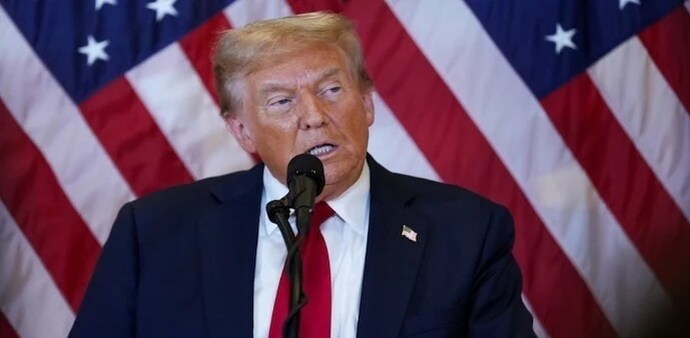
US President Donald Trump recently dismissed the European Union's tariff proposal as "very, very bad to us," escalating the ongoing trade tensions between the US and the EU. In remarks made at the White House, Trump expressed dissatisfaction with the EU's trade practices, stating: "The European Union has been very, very bad to us, they don't take our cars, like Japan in that sense, they don't take our agricultural product. They don't take anything practically."
This statement came just days after Trump announced a new 20 percent tariff on European goods, which is set to take effect on April 9, AFP reported.
The EU, under European Commission President Ursula von der Leyen, had proposed a bilateral arrangement that would exempt tariffs on industrial goods, aiming to maintain a more open trade relationship with the United States. Von der Leyen stated, "We have proposed zero tariffs on industrial products... Europe is always ready to strike a good deal." However, she also indicated that Europe would not hesitate to implement countermeasures to protect its interests if necessary, saying, "We are also ready to respond with countermeasures and defend our interests." This latest proposal highlights the EU's readiness to negotiate while simultaneously preparing to defend its economic stance.
The backdrop of this exchange is the US's significant trade deficit with the EU, which Trump is seeking to address through his aggressive tariff strategies. In his comments, Trump suggested that the EU's trade deficit could be mitigated if European countries agreed to purchase more American energy, stating, "They have to buy and commit to buy a like amount of energy (to this trade deficit)." Though Trump proposed a solution to the trade imbalance, he did not clarify whether this would lead to a reduction in the current tariffs. The US goods trade deficit with the EU was $235.6 billion in 2024, as per the US Trade Representative office, underscoring the magnitude of the issue at hand.
The EU's approach to this tariff dispute reflects its broader trade strategy, which aims to maintain competitive access to international markets amidst rising protectionist policies. This includes offers of tariff-free access for industrial goods to avert further trade barriers. However, Trump's hard-line stance suggests a more unilateral approach to trade, which could complicate negotiations. The EU, maintaining its strategic position, seems prepared to protect its economic interests against US measures that are seen as overly aggressive or detrimental.
In the current trade landscape, the US faces significant competition from other global powers, such as China, which firmly opposes what it terms as "tariff blackmail."
The EU, much like China, stresses the importance of strategic partnerships and balanced trade relations. As these trade tensions continue to evolve, the potential impact on global economic dynamics, including shifts in supply chains and market access, remains a key area of focus for international economic analysts.
US President Donald Trump recently dismissed the European Union's tariff proposal as "very, very bad to us," escalating the ongoing trade tensions between the US and the EU. In remarks made at the White House, Trump expressed dissatisfaction with the EU's trade practices, stating: "The European Union has been very, very bad to us, they don't take our cars, like Japan in that sense, they don't take our agricultural product. They don't take anything practically."
This statement came just days after Trump announced a new 20 percent tariff on European goods, which is set to take effect on April 9, AFP reported.
The EU, under European Commission President Ursula von der Leyen, had proposed a bilateral arrangement that would exempt tariffs on industrial goods, aiming to maintain a more open trade relationship with the United States. Von der Leyen stated, "We have proposed zero tariffs on industrial products... Europe is always ready to strike a good deal." However, she also indicated that Europe would not hesitate to implement countermeasures to protect its interests if necessary, saying, "We are also ready to respond with countermeasures and defend our interests." This latest proposal highlights the EU's readiness to negotiate while simultaneously preparing to defend its economic stance.
The backdrop of this exchange is the US's significant trade deficit with the EU, which Trump is seeking to address through his aggressive tariff strategies. In his comments, Trump suggested that the EU's trade deficit could be mitigated if European countries agreed to purchase more American energy, stating, "They have to buy and commit to buy a like amount of energy (to this trade deficit)." Though Trump proposed a solution to the trade imbalance, he did not clarify whether this would lead to a reduction in the current tariffs. The US goods trade deficit with the EU was $235.6 billion in 2024, as per the US Trade Representative office, underscoring the magnitude of the issue at hand.
The EU's approach to this tariff dispute reflects its broader trade strategy, which aims to maintain competitive access to international markets amidst rising protectionist policies. This includes offers of tariff-free access for industrial goods to avert further trade barriers. However, Trump's hard-line stance suggests a more unilateral approach to trade, which could complicate negotiations. The EU, maintaining its strategic position, seems prepared to protect its economic interests against US measures that are seen as overly aggressive or detrimental.
In the current trade landscape, the US faces significant competition from other global powers, such as China, which firmly opposes what it terms as "tariff blackmail."
The EU, much like China, stresses the importance of strategic partnerships and balanced trade relations. As these trade tensions continue to evolve, the potential impact on global economic dynamics, including shifts in supply chains and market access, remains a key area of focus for international economic analysts.