
Trump gives 90-day extension on Mexico tariffs as trade negotiations progress
The higher tariff rate had been scheduled to take effect Friday (August 1, 2025), coinciding with the expiration of Trump's paused “reciprocal” tariffs on several countries.
- Jul 31, 2025,
- Updated Jul 31, 2025 9:36 PM IST
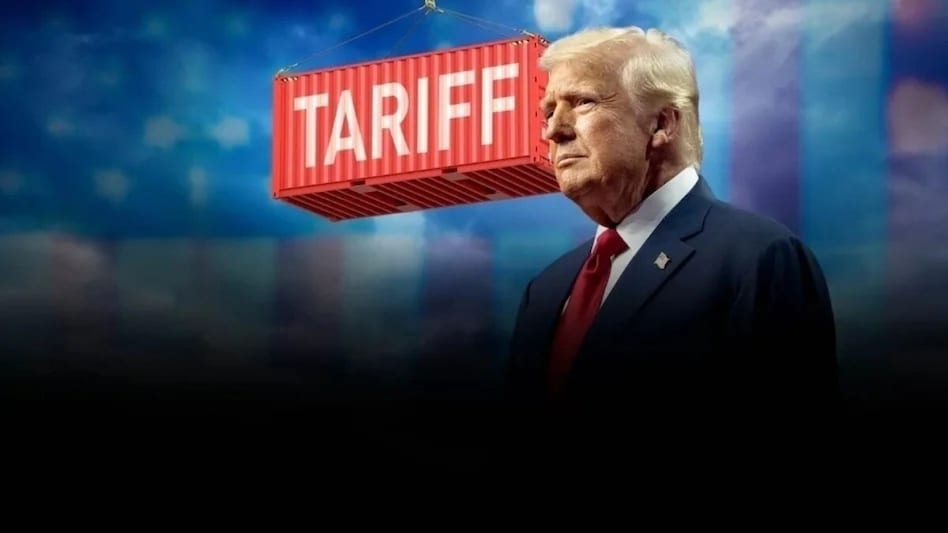
US President Donald Trump announced Thursday that he would delay increasing U.S. tariffs on Mexican imports for 90 days, providing both nations time to negotiate a new trade agreement.
Trump recently warned of raising the blanket tariff rate on Mexican goods to 30%, up from the current 25%, in response to concerns over cross-border crime and drug trafficking. Mexican exports are already subject to steep duties -- 25% on automobiles and 50% on metal commodities like steel, copper, and aluminum.
The higher tariff rate had been scheduled to take effect Friday (August 1, 2025), coinciding with the expiration of Trump's paused “reciprocal” tariffs on several countries. But following what he described as a “very successful” phone call with Mexican President Claudia Sheinbaum, Trump said he would hold off on any increases for now.
“More and more, we are getting to know and understand each other,” Trump wrote in a post on Truth Social.
He explained that trade talks with Mexico are uniquely complex due to “both the problems, and assets, of the Border.” As a result, both sides agreed to maintain the existing tariff structure for the next 90 days: a 25% tariff on fentanyl, 25% on car imports, and 50% on steel, aluminum, and copper.
Trump also claimed that Mexico had agreed to “immediately terminate its Non-Tariff Trade Barriers,” though he did not specify which specific restrictions would be removed.
“We will be talking to Mexico over the next 90 Days with the goal of signing a Trade Deal somewhere within the 90-day period of time, or longer,” Trump wrote, indicating openness to a longer negotiation timeline if needed.
Trump said he was joined on the call by several senior officials, including Vice President JD Vance, Treasury Secretary Scott Bessent, Commerce Secretary Howard Lutnick, Secretary of State Marco Rubio, U.S. Trade Representative Jamieson Greer, and Deputy Chief of Staff Stephen Miller.
Earlier in the day, Trump unveiled a new trade agreement with South Korea, imposing a 15% import tax on its goods. The move is expected to affect key South Korean exports to the U.S., including automobiles, electronics, and widely popular skincare and cosmetic products.
(With Reuters inputs)
US President Donald Trump announced Thursday that he would delay increasing U.S. tariffs on Mexican imports for 90 days, providing both nations time to negotiate a new trade agreement.
Trump recently warned of raising the blanket tariff rate on Mexican goods to 30%, up from the current 25%, in response to concerns over cross-border crime and drug trafficking. Mexican exports are already subject to steep duties -- 25% on automobiles and 50% on metal commodities like steel, copper, and aluminum.
The higher tariff rate had been scheduled to take effect Friday (August 1, 2025), coinciding with the expiration of Trump's paused “reciprocal” tariffs on several countries. But following what he described as a “very successful” phone call with Mexican President Claudia Sheinbaum, Trump said he would hold off on any increases for now.
“More and more, we are getting to know and understand each other,” Trump wrote in a post on Truth Social.
He explained that trade talks with Mexico are uniquely complex due to “both the problems, and assets, of the Border.” As a result, both sides agreed to maintain the existing tariff structure for the next 90 days: a 25% tariff on fentanyl, 25% on car imports, and 50% on steel, aluminum, and copper.
Trump also claimed that Mexico had agreed to “immediately terminate its Non-Tariff Trade Barriers,” though he did not specify which specific restrictions would be removed.
“We will be talking to Mexico over the next 90 Days with the goal of signing a Trade Deal somewhere within the 90-day period of time, or longer,” Trump wrote, indicating openness to a longer negotiation timeline if needed.
Trump said he was joined on the call by several senior officials, including Vice President JD Vance, Treasury Secretary Scott Bessent, Commerce Secretary Howard Lutnick, Secretary of State Marco Rubio, U.S. Trade Representative Jamieson Greer, and Deputy Chief of Staff Stephen Miller.
Earlier in the day, Trump unveiled a new trade agreement with South Korea, imposing a 15% import tax on its goods. The move is expected to affect key South Korean exports to the U.S., including automobiles, electronics, and widely popular skincare and cosmetic products.
(With Reuters inputs)