
Trump vs Powell: DOJ drops probe into former Fed chair, ending high-stakes clash
The probe began in late 2025 after a criminal referral from lawmakers, making it the first time a sitting Fed chair faced a criminal investigation — a highly unusual step in US governance.
- Apr 24, 2026,
- Updated Apr 24, 2026 10:17 PM IST
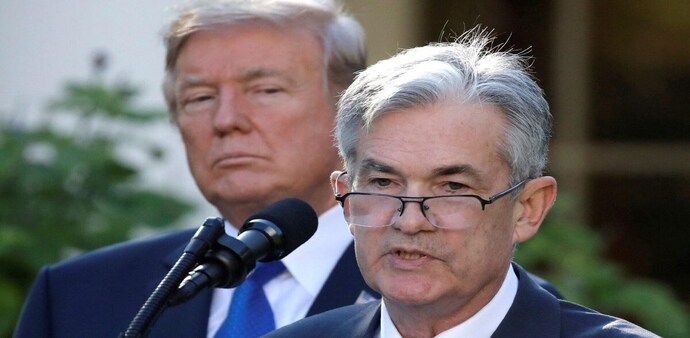
The US Department of Justice’s decision to drop its criminal probe into Federal Reserve Chair Jerome Powell marks the end of an unprecedented legal and political clash with US President Donald Trump. The episode — often described as a test of central bank independence — blended legal scrutiny, partisan pressure, and a high-stakes battle over interest rates and control of the US economy.
What was the case against Powell?
At the heart of the DOJ probe was a multi-billion-dollar renovation of the Federal Reserve’s Washington headquarters.
- Prosecutors examined whether Powell misled Congress about the cost and scope of the project.
- The renovation, initially estimated lower, ballooned to around $2.5 billion, triggering political scrutiny.
- Investigators reviewed Powell’s testimony and internal Fed documents to determine if there were false statements or financial mismanagement.
The probe began in late 2025 after a criminal referral from lawmakers, making it the first time a sitting Fed chair faced a criminal investigation — a highly unusual step in US governance.
Why did the DOJ drop the probe?
The Justice Department closed the case in April 2026, citing a shift in how the issue would be handled:
- The matter has been referred to the Federal Reserve’s Inspector General, not criminal prosecutors.
- Officials indicated the probe could restart if new evidence emerges, but for now, no charges will be pursued.
- A federal judge had earlier blocked subpoenas, saying there was no clear evidence of a crime.
- Crucially, no criminal charges were ever filed against Powell.
Powell vs Trump: What was the real conflict?
While the investigation was framed around renovation costs, it unfolded against a long-running feud between Powell and Trump.
- Clash over interest rates: Trump repeatedly pressured the Fed to cut interest rates aggressively. Powell resisted, arguing decisions must be based on economic data, not politics.
- Accusations of political pressure: Powell publicly suggested the probe was an attempt to intimidate the Fed into easing policy. Courts and critics echoed concerns that the investigation appeared politically motivated.
- Threats and removal talk: Trump had long criticized Powell, even floating the idea of removing him from office.
The probe became a major political flashpoint: Republican Senator Thom Tillis blocked confirmation of Trump’s Fed nominee Kevin Warsh until the investigation was dropped.
This turned the probe into an obstacle to reshaping Fed leadership. The DOJ’s decision effectively clears the path for Warsh’s confirmation as Powell’s successor.
Why this matters
- Central bank independence at stake: The episode raised alarm that political leaders could use legal tools to pressure monetary policy — something traditionally insulated from politics.
- Markets and policy direction: With the probe gone, attention shifts to whether a new Fed leadership under Trump’s pick will pursue lower interest rates.
- Precedent-setting moment: A criminal investigation into a sitting Fed chair was virtually unheard of — its closure underscores how fragile institutional norms can become during political conflict.
The US Department of Justice’s decision to drop its criminal probe into Federal Reserve Chair Jerome Powell marks the end of an unprecedented legal and political clash with US President Donald Trump. The episode — often described as a test of central bank independence — blended legal scrutiny, partisan pressure, and a high-stakes battle over interest rates and control of the US economy.
What was the case against Powell?
At the heart of the DOJ probe was a multi-billion-dollar renovation of the Federal Reserve’s Washington headquarters.
- Prosecutors examined whether Powell misled Congress about the cost and scope of the project.
- The renovation, initially estimated lower, ballooned to around $2.5 billion, triggering political scrutiny.
- Investigators reviewed Powell’s testimony and internal Fed documents to determine if there were false statements or financial mismanagement.
The probe began in late 2025 after a criminal referral from lawmakers, making it the first time a sitting Fed chair faced a criminal investigation — a highly unusual step in US governance.
Why did the DOJ drop the probe?
The Justice Department closed the case in April 2026, citing a shift in how the issue would be handled:
- The matter has been referred to the Federal Reserve’s Inspector General, not criminal prosecutors.
- Officials indicated the probe could restart if new evidence emerges, but for now, no charges will be pursued.
- A federal judge had earlier blocked subpoenas, saying there was no clear evidence of a crime.
- Crucially, no criminal charges were ever filed against Powell.
Powell vs Trump: What was the real conflict?
While the investigation was framed around renovation costs, it unfolded against a long-running feud between Powell and Trump.
- Clash over interest rates: Trump repeatedly pressured the Fed to cut interest rates aggressively. Powell resisted, arguing decisions must be based on economic data, not politics.
- Accusations of political pressure: Powell publicly suggested the probe was an attempt to intimidate the Fed into easing policy. Courts and critics echoed concerns that the investigation appeared politically motivated.
- Threats and removal talk: Trump had long criticized Powell, even floating the idea of removing him from office.
The probe became a major political flashpoint: Republican Senator Thom Tillis blocked confirmation of Trump’s Fed nominee Kevin Warsh until the investigation was dropped.
This turned the probe into an obstacle to reshaping Fed leadership. The DOJ’s decision effectively clears the path for Warsh’s confirmation as Powell’s successor.
Why this matters
- Central bank independence at stake: The episode raised alarm that political leaders could use legal tools to pressure monetary policy — something traditionally insulated from politics.
- Markets and policy direction: With the probe gone, attention shifts to whether a new Fed leadership under Trump’s pick will pursue lower interest rates.
- Precedent-setting moment: A criminal investigation into a sitting Fed chair was virtually unheard of — its closure underscores how fragile institutional norms can become during political conflict.