
'We would have to give a refund': US treasury warns of $750 bn hit if Trump tariffs are struck down
If the Supreme Court upholds the rulings, the government may need to refund between $750 billion and $1 trillion, according to filings by the Trump administration.
- Sep 8, 2025,
- Updated Sep 8, 2025 8:45 AM IST
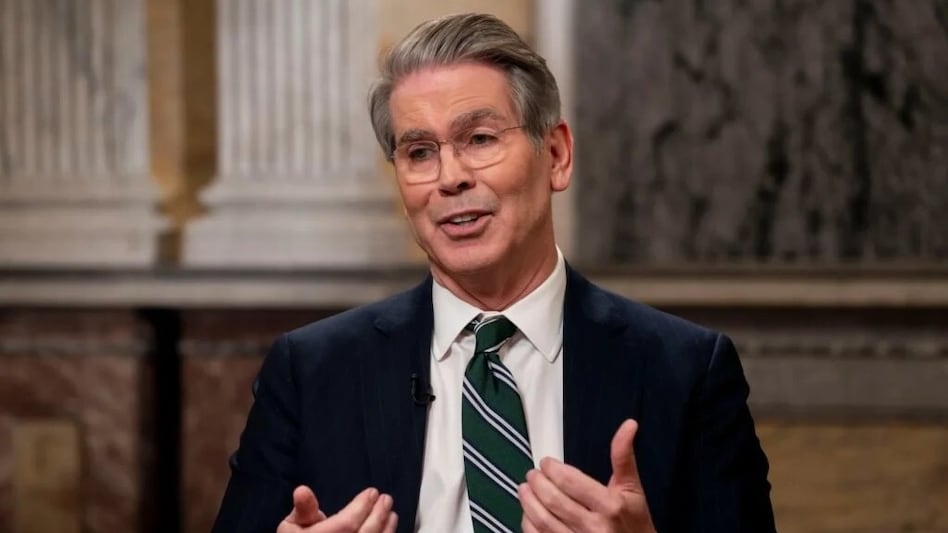
U.S. Treasury Secretary Scott Bessent has confirmed that the government may be forced to issue refunds on hundreds of billions in tariffs if the Supreme Court upholds a lower court ruling that found President Donald Trump’s reciprocal tariffs illegal. The move could severely disrupt Treasury operations, Bessent warned.
Speaking on NBC’s Meet the Press, Bessent said, “We would have to give a refund on about half the tariffs, which would be terrible for the Treasury... If the court says it, we’d have to do it.”
The Supreme Court is now reviewing a Trump administration request to overturn a federal appeals court ruling from August 29, which found Trump had overstepped his powers by using the International Emergency Economic Powers Act to impose sweeping tariffs on almost all U.S. trading partners.
The U.S. Court of Appeals for the Federal Circuit, in a 7-4 vote, ruled that tariffs are a “core Congressional power” and not within the president’s unilateral authority. A prior May ruling by the Court of International Trade also declared the duties unlawful.
If the Supreme Court upholds the rulings, the government may need to refund between $750 billion and $1 trillion, according to filings by the Trump administration. As of August 24, U.S. businesses have paid more than $210 billion in tariffs now deemed illegal.
National Economic Council Director Kevin Hassett, in a separate interview with CBS, suggested the administration still has “other legal authorities” like Section 232, which was used to justify tariffs on steel and aluminum.
Bessent hinted at fallback options but admitted they would “diminish President Trump’s negotiating position.” Despite the legal setbacks, Trump has defended the tariffs as critical to restoring manufacturing and addressing trade imbalances.
Solicitor General John Sauer, in an emergency petition to the court, stated: “The stakes in this case could not be higher.”
U.S. Treasury Secretary Scott Bessent has confirmed that the government may be forced to issue refunds on hundreds of billions in tariffs if the Supreme Court upholds a lower court ruling that found President Donald Trump’s reciprocal tariffs illegal. The move could severely disrupt Treasury operations, Bessent warned.
Speaking on NBC’s Meet the Press, Bessent said, “We would have to give a refund on about half the tariffs, which would be terrible for the Treasury... If the court says it, we’d have to do it.”
The Supreme Court is now reviewing a Trump administration request to overturn a federal appeals court ruling from August 29, which found Trump had overstepped his powers by using the International Emergency Economic Powers Act to impose sweeping tariffs on almost all U.S. trading partners.
The U.S. Court of Appeals for the Federal Circuit, in a 7-4 vote, ruled that tariffs are a “core Congressional power” and not within the president’s unilateral authority. A prior May ruling by the Court of International Trade also declared the duties unlawful.
If the Supreme Court upholds the rulings, the government may need to refund between $750 billion and $1 trillion, according to filings by the Trump administration. As of August 24, U.S. businesses have paid more than $210 billion in tariffs now deemed illegal.
National Economic Council Director Kevin Hassett, in a separate interview with CBS, suggested the administration still has “other legal authorities” like Section 232, which was used to justify tariffs on steel and aluminum.
Bessent hinted at fallback options but admitted they would “diminish President Trump’s negotiating position.” Despite the legal setbacks, Trump has defended the tariffs as critical to restoring manufacturing and addressing trade imbalances.
Solicitor General John Sauer, in an emergency petition to the court, stated: “The stakes in this case could not be higher.”