
PM Modi, Japan PM Takaichi to jointly inaugurate Maruti Suzuki’s ₹35,000 crore Kharkhoda plant
Maruti Suzuki has committed a total investment of around ₹35,000 crore, including the supplier ecosystem, and estimates the project will generate over 21,000 direct jobs.
- Jul 2, 2026,
- Updated Jul 2, 2026 9:54 AM IST
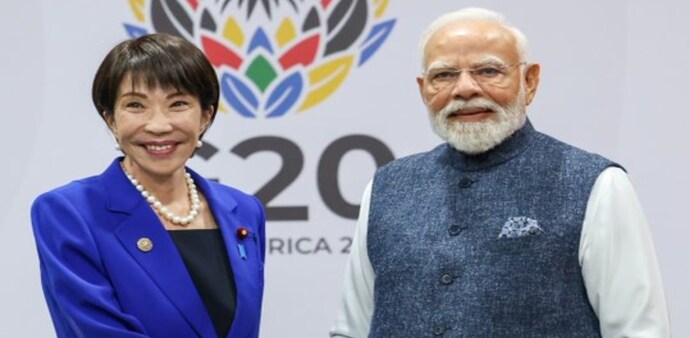
Prime Minister Narendra Modi and Japanese Prime Minister Sanae Takaichi will jointly inaugurate Maruti Suzuki India’s fourth vehicle manufacturing facility at Kharkhoda in Haryana on Thursday, marking a major milestone in the India-Japan economic partnership and the country’s manufacturing ambitions.
Spread across 800 acres with an integrated supplier park, the Kharkhoda facility is designed to become one of the world’s largest vehicle manufacturing plants. Once fully operational, it will have an annual production capacity of 10 lakh vehicles, taking Maruti Suzuki a step closer to its target of 40 lakh units of annual production.
The company has committed a total investment of around ₹35,000 crore, including the supplier ecosystem, and estimates the project will generate over 21,000 direct jobs.
Maruti Suzuki said the plant has been developed around its ‘Suzuki Smart Factory’ concept, incorporating Industry 5.0-enabled manufacturing technologies. The facility will operate on 100% renewable electricity and will feature AI-powered collaborative robots (cobots) to improve manufacturing efficiency.
The company has also embedded several sustainability initiatives into the project. These include a Zero Liquid Discharge manufacturing system, 100% water recycling, a biogas plant expected to be commissioned during FY27, an in-house solar power plant with a planned capacity of up to 70 MW, and an in-plant railway siding to support greener logistics.
DON'T MISS | Maruti Brezza to get a facelift this July
Maruti Suzuki said the Kharkhoda facility will strengthen its manufacturing base in India while supporting the government’s ‘Make in India, Make for the World’ vision by expanding export-oriented production capabilities.
The inauguration is being held as part of the India-Japan Joint Economic Forum in New Delhi and underscores the deepening industrial and strategic partnership between the two countries.
Prime Minister Narendra Modi and Japanese Prime Minister Sanae Takaichi will jointly inaugurate Maruti Suzuki India’s fourth vehicle manufacturing facility at Kharkhoda in Haryana on Thursday, marking a major milestone in the India-Japan economic partnership and the country’s manufacturing ambitions.
Spread across 800 acres with an integrated supplier park, the Kharkhoda facility is designed to become one of the world’s largest vehicle manufacturing plants. Once fully operational, it will have an annual production capacity of 10 lakh vehicles, taking Maruti Suzuki a step closer to its target of 40 lakh units of annual production.
The company has committed a total investment of around ₹35,000 crore, including the supplier ecosystem, and estimates the project will generate over 21,000 direct jobs.
Maruti Suzuki said the plant has been developed around its ‘Suzuki Smart Factory’ concept, incorporating Industry 5.0-enabled manufacturing technologies. The facility will operate on 100% renewable electricity and will feature AI-powered collaborative robots (cobots) to improve manufacturing efficiency.
The company has also embedded several sustainability initiatives into the project. These include a Zero Liquid Discharge manufacturing system, 100% water recycling, a biogas plant expected to be commissioned during FY27, an in-house solar power plant with a planned capacity of up to 70 MW, and an in-plant railway siding to support greener logistics.
DON'T MISS | Maruti Brezza to get a facelift this July
Maruti Suzuki said the Kharkhoda facility will strengthen its manufacturing base in India while supporting the government’s ‘Make in India, Make for the World’ vision by expanding export-oriented production capabilities.
The inauguration is being held as part of the India-Japan Joint Economic Forum in New Delhi and underscores the deepening industrial and strategic partnership between the two countries.