
Four NEET successes, now a leak probe: Was the 2025 exam also compromised by the same network?
The question has been triggered by the Biwal family of Rajasthan's Jamwa Ramgarh, the same family that made national headlines last year when four of its children cleared the NEET
- May 15, 2026,
- Updated May 15, 2026 11:22 AM IST
As investigators peel back the layers of the NEET-UG 2026 paper leak, a question with far-reaching consequences is emerging at the centre of the probe: was the 2025 examination also compromised?
The question has been triggered by the Biwal family of Rajasthan's Jamwa Ramgarh, the same family that made national headlines last year when four of its children cleared the NEET, widely celebrated as a remarkable small-town success story. Coaching institutes amplified the achievement.
The media ran feature after feature on the family's discipline and sacrifice. In an exam taken by over 20 lakh candidates annually, where a single qualifying score is considered life-changing, four successes from one household sounded exceptional.
DON'T MISS: NEET-UG 2026 re-exam to take place on June 21, over 22 lakh students affected
It now looks like it may have been.
From a success story to the centre of a leak probe
Investigators probing the 2026 leak have placed the Biwal family under scrutiny over suspected links to an alleged interstate paper leak network. According to sources, the probe is examining whether question papers were circulated in handwritten copies, as scanned PDFs, or via courier ahead of the exam.
Two members of the family, brothers Mangilal and Dinesh Biwal, have already been detained in connection with the 2026 case, with investigators alleging they purchased the paper from a Gurugram doctor for Rs 30 lakh a week before the exam.
What has deepened concern, however, is a detail that has not gone unnoticed: the family's celebrated NEET success occurred in 2025, during the same period when India was still grappling with the fallout of the massive NEET 2024 controversy involving alleged paper leaks, grace marks, and solver gangs across multiple states.
At the time, authorities maintained that the 2024 compromise was localised and did not warrant cancelling the national examination. Students accepted that, reluctantly. Now, with the same family appearing in a 2026 leak investigation, that assurance is being revisited with far greater scepticism.
Did the network survive into 2025 and beyond?
The central concern among investigators and students alike is whether the leak network behind the 2026 case had already been operational during NEET 2025, running quietly and undetected in the gap between two high-profile controversies.
Evidence gathered so far in the 2026 case points to a highly organised operation: handwritten paper replication, encrypted circulation channels, and question sets matching actual exam patterns with striking precision. Investigators reportedly found that the Biwal family had known nearly a month in advance that the 2026 paper would be leaked — raising questions about how deeply embedded their connections to the network were, and for how long.
If the same network was active in 2025, it would mean that results from that year — including the Biwal family's celebrated four clearances — may need to be scrutinised. No formal investigation into NEET 2025 has been announced. But the absence of an investigation is not the same as a clean bill of health, and students are making that distinction clearly.
Khan Sir gives voice to what students are already thinking
Popular educator Khan Sir has emerged as one of the most prominent voices articulating this anxiety. In a video on his YouTube channel, he questioned how repeated irregularities could persist despite official assurances and said students were naturally beginning to wonder whether previous NEET examinations, including 2025, may have been compromised in ways that were never publicly detected.
The comment landed hard because it gave expression to resentment that had never fully dissipated after 2024. For many aspirants, the latest revelations do not feel like an isolated incident. They feel like confirmation of a system that may have been vulnerable for years.
What is at stake
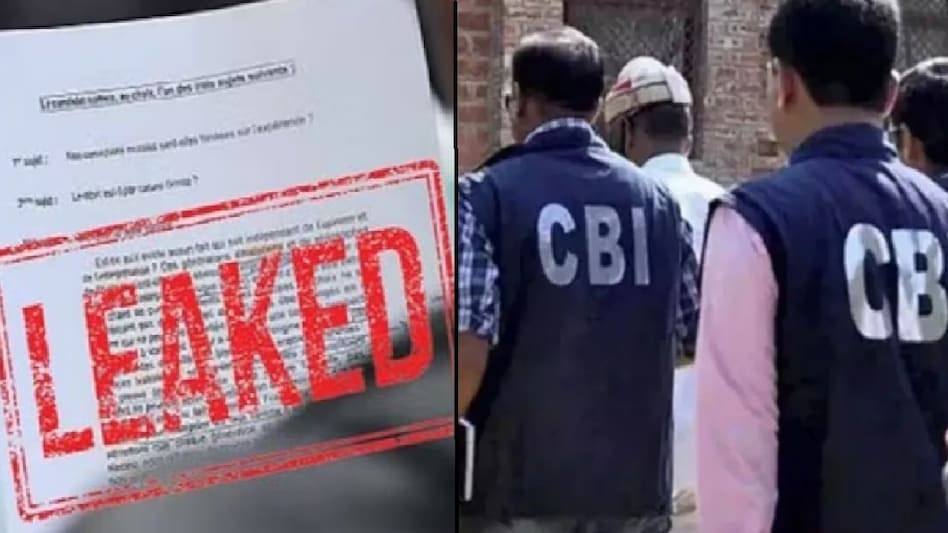
The NEET-UG 2026 examination has been cancelled and the CBI has registered an FIR. A new examination date is expected within 7 to 10 days. But the question of what happened in 2025, and who benefited, is not going away.
NEET was designed as a national equaliser: a single examination through which a student from any background, any town, any school could compete on level terms. Repeated leak allegations are eroding that premise. Every unusually high score now attracts suspicion. Every success story risks being questioned. Even genuine toppers find themselves defending results they earned honestly.
The Biwal family's trajectory, from celebrated to scrutinised in under a year, captures the damage that has been done. The investigation now underway is about more than one paper leak. It is about whether the examination system ever provided the level playing field it promised, and whether it can be trusted to do so going forward.
Investigations are ongoing. No court has established guilt in connection with the Biwal family's NEET 2025 results.
As investigators peel back the layers of the NEET-UG 2026 paper leak, a question with far-reaching consequences is emerging at the centre of the probe: was the 2025 examination also compromised?
The question has been triggered by the Biwal family of Rajasthan's Jamwa Ramgarh, the same family that made national headlines last year when four of its children cleared the NEET, widely celebrated as a remarkable small-town success story. Coaching institutes amplified the achievement.
The media ran feature after feature on the family's discipline and sacrifice. In an exam taken by over 20 lakh candidates annually, where a single qualifying score is considered life-changing, four successes from one household sounded exceptional.
DON'T MISS: NEET-UG 2026 re-exam to take place on June 21, over 22 lakh students affected
It now looks like it may have been.
From a success story to the centre of a leak probe
Investigators probing the 2026 leak have placed the Biwal family under scrutiny over suspected links to an alleged interstate paper leak network. According to sources, the probe is examining whether question papers were circulated in handwritten copies, as scanned PDFs, or via courier ahead of the exam.
Two members of the family, brothers Mangilal and Dinesh Biwal, have already been detained in connection with the 2026 case, with investigators alleging they purchased the paper from a Gurugram doctor for Rs 30 lakh a week before the exam.
What has deepened concern, however, is a detail that has not gone unnoticed: the family's celebrated NEET success occurred in 2025, during the same period when India was still grappling with the fallout of the massive NEET 2024 controversy involving alleged paper leaks, grace marks, and solver gangs across multiple states.
At the time, authorities maintained that the 2024 compromise was localised and did not warrant cancelling the national examination. Students accepted that, reluctantly. Now, with the same family appearing in a 2026 leak investigation, that assurance is being revisited with far greater scepticism.
Did the network survive into 2025 and beyond?
The central concern among investigators and students alike is whether the leak network behind the 2026 case had already been operational during NEET 2025, running quietly and undetected in the gap between two high-profile controversies.
Evidence gathered so far in the 2026 case points to a highly organised operation: handwritten paper replication, encrypted circulation channels, and question sets matching actual exam patterns with striking precision. Investigators reportedly found that the Biwal family had known nearly a month in advance that the 2026 paper would be leaked — raising questions about how deeply embedded their connections to the network were, and for how long.
If the same network was active in 2025, it would mean that results from that year — including the Biwal family's celebrated four clearances — may need to be scrutinised. No formal investigation into NEET 2025 has been announced. But the absence of an investigation is not the same as a clean bill of health, and students are making that distinction clearly.
Khan Sir gives voice to what students are already thinking
Popular educator Khan Sir has emerged as one of the most prominent voices articulating this anxiety. In a video on his YouTube channel, he questioned how repeated irregularities could persist despite official assurances and said students were naturally beginning to wonder whether previous NEET examinations, including 2025, may have been compromised in ways that were never publicly detected.
The comment landed hard because it gave expression to resentment that had never fully dissipated after 2024. For many aspirants, the latest revelations do not feel like an isolated incident. They feel like confirmation of a system that may have been vulnerable for years.
What is at stake
The NEET-UG 2026 examination has been cancelled and the CBI has registered an FIR. A new examination date is expected within 7 to 10 days. But the question of what happened in 2025, and who benefited, is not going away.
NEET was designed as a national equaliser: a single examination through which a student from any background, any town, any school could compete on level terms. Repeated leak allegations are eroding that premise. Every unusually high score now attracts suspicion. Every success story risks being questioned. Even genuine toppers find themselves defending results they earned honestly.
The Biwal family's trajectory, from celebrated to scrutinised in under a year, captures the damage that has been done. The investigation now underway is about more than one paper leak. It is about whether the examination system ever provided the level playing field it promised, and whether it can be trusted to do so going forward.
Investigations are ongoing. No court has established guilt in connection with the Biwal family's NEET 2025 results.