
SC bans authors of controversial NCERT chapter on judiciary corruption from 'any' future academic work
The court ordered that the three authors be disassociated from any publicly funded academic work and banned from involvement in the development of textbooks and curricula in the future
- Mar 11, 2026,
- Updated Mar 11, 2026 1:09 PM IST
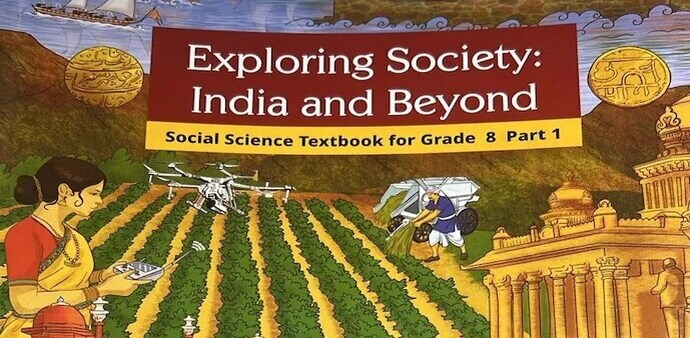
The Supreme Court has issued a strong order against three individuals involved in drafting the controversial “corruption in the judiciary” chapter in a Class 8 NCERT textbook. The court's judgment found that these individuals are not suitable to prepare academic curricula or textbooks for future generations, highlighting concerns about the accuracy and integrity of educational materials.
Disassociation from future academic work
The court has now ordered that the three authors be disassociated from any publicly funded academic work and banned from involvement in the development of textbooks and curricula in the future. This included a directive to the Union Government, state governments and all public institutions to sever ties with these individuals.
Rewriting the controversial chapter
The court also issued instructions for NCERT to rewrite the controversial chapter, mandating the formation of a new expert committee to ensure balanced and accurate content.
The committee will include a retired judge, a practising advocate, and a senior academician to review the chapter thoroughly, with additional consultation from the National Judicial Academy. This ensures that the revised content adheres to academic rigour and maintains institutional neutrality.
The court's firm stance on transparency
The case, sparked by a suo motu action by the Supreme Court, centred on a chapter in the NCERT textbook that depicted the judiciary in a questionable light. The court expressed serious concerns about the procedures followed in drafting and approving the content, which it deemed insufficiently transparent and potentially misleading.
The court observed that the chapter had been drafted by Professor Michel Danino, Suparna Diwakar, and Alok Prasanna Kumar, but crucial details about the process, including who approved the revised version and the absence of a full review, were missing from NCERT's submissions. The lack of clarity on the matter led the court to question whether the individuals responsible were either ignorant of or intentionally distorting facts about India’s judicial system.
Author's conduct under scrutiny
In the ruling, the Supreme Court criticised the authors for either lacking a proper understanding of the judiciary or for purposefully misrepresenting facts that could harm students' perception of constitutional institutions.
Chief Justice of India CJI remarked that Class 8 students should not be subjected to distorted portrayals of vital institutions. The court also raised concerns over the future role of such individuals in academia, asking, "What if they are made Vice-Chancellor of a university at some point? That will affect thousands of students."
The Supreme Court has issued a strong order against three individuals involved in drafting the controversial “corruption in the judiciary” chapter in a Class 8 NCERT textbook. The court's judgment found that these individuals are not suitable to prepare academic curricula or textbooks for future generations, highlighting concerns about the accuracy and integrity of educational materials.
Disassociation from future academic work
The court has now ordered that the three authors be disassociated from any publicly funded academic work and banned from involvement in the development of textbooks and curricula in the future. This included a directive to the Union Government, state governments and all public institutions to sever ties with these individuals.
Rewriting the controversial chapter
The court also issued instructions for NCERT to rewrite the controversial chapter, mandating the formation of a new expert committee to ensure balanced and accurate content.
The committee will include a retired judge, a practising advocate, and a senior academician to review the chapter thoroughly, with additional consultation from the National Judicial Academy. This ensures that the revised content adheres to academic rigour and maintains institutional neutrality.
The court's firm stance on transparency
The case, sparked by a suo motu action by the Supreme Court, centred on a chapter in the NCERT textbook that depicted the judiciary in a questionable light. The court expressed serious concerns about the procedures followed in drafting and approving the content, which it deemed insufficiently transparent and potentially misleading.
The court observed that the chapter had been drafted by Professor Michel Danino, Suparna Diwakar, and Alok Prasanna Kumar, but crucial details about the process, including who approved the revised version and the absence of a full review, were missing from NCERT's submissions. The lack of clarity on the matter led the court to question whether the individuals responsible were either ignorant of or intentionally distorting facts about India’s judicial system.
Author's conduct under scrutiny
In the ruling, the Supreme Court criticised the authors for either lacking a proper understanding of the judiciary or for purposefully misrepresenting facts that could harm students' perception of constitutional institutions.
Chief Justice of India CJI remarked that Class 8 students should not be subjected to distorted portrayals of vital institutions. The court also raised concerns over the future role of such individuals in academia, asking, "What if they are made Vice-Chancellor of a university at some point? That will affect thousands of students."