
34 India-bound ships awaiting safe passage through Hormuz
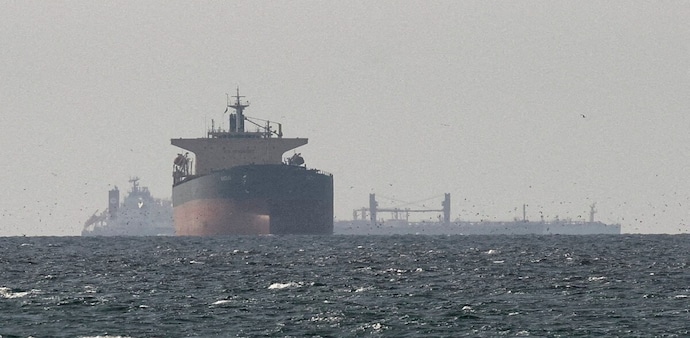
US President Donald Trump stated on June 15 that commercial vessels and oil tankers had begun moving out of the Strait of Hormuz.
- Jun 16, 2026,
- Updated Jun 16, 2026 10:00 AM IST
Thirty-four Indian- and foreign-flagged ships are set for safe passage after the India-bound LNG carrier Disha safely crossed the Strait of Hormuz on Monday. This development raises hopes that vessels stranded in the Persian Gulf can now sail to Indian ports. The move follows announcements by the US and Iran about plans to sign a peace deal after a recent truce.
According to a report in Times of India, among the ships expected to move are 16 carrying fertiliser, which will help increase supplies of this key soil nutrient. However, policymakers are cautious as damage to energy facilities, including Ras Laffan in Qatar, may delay immediate improvements in energy supplies.
Before the conflict, India imported over 88 per cent of its crude oil, with nearly half sourced from West Asia. More than 60 per cent of its imported LNG and nearly 60 per cent of its LPG also passed through the Strait of Hormuz, with about 90 per cent of LPG supplies transiting this route. Of the non-fertiliser vessels stranded, 15 carry crude oil, LNG, and LPG, while three carry other cargo.
Opesh Kumar Sharma, director in the shipping ministry, said that LNG carrier Disha, carrying 62,370 tonnes of LNG, safely transited the strait and is expected to reach Dahej by June 18. Bandana Preyashi, joint secretary in the fertiliser department, noted that of the 16 ships in the strait, eight carry urea, four diammonium phosphate (DAP), three sulphur, and one ammonia.
US President Donald Trump stated on June 15 that commercial vessels and oil tankers had begun moving out of the Strait of Hormuz. He posted on social media that ships loaded with oil are moving along the Southern 'Highway', which he described as safe and secure. The maritime movement resumed days before the scheduled signing of the comprehensive peace treaty on June 19.
Thirty-four Indian- and foreign-flagged ships are set for safe passage after the India-bound LNG carrier Disha safely crossed the Strait of Hormuz on Monday. This development raises hopes that vessels stranded in the Persian Gulf can now sail to Indian ports. The move follows announcements by the US and Iran about plans to sign a peace deal after a recent truce.
According to a report in Times of India, among the ships expected to move are 16 carrying fertiliser, which will help increase supplies of this key soil nutrient. However, policymakers are cautious as damage to energy facilities, including Ras Laffan in Qatar, may delay immediate improvements in energy supplies.
Before the conflict, India imported over 88 per cent of its crude oil, with nearly half sourced from West Asia. More than 60 per cent of its imported LNG and nearly 60 per cent of its LPG also passed through the Strait of Hormuz, with about 90 per cent of LPG supplies transiting this route. Of the non-fertiliser vessels stranded, 15 carry crude oil, LNG, and LPG, while three carry other cargo.
Opesh Kumar Sharma, director in the shipping ministry, said that LNG carrier Disha, carrying 62,370 tonnes of LNG, safely transited the strait and is expected to reach Dahej by June 18. Bandana Preyashi, joint secretary in the fertiliser department, noted that of the 16 ships in the strait, eight carry urea, four diammonium phosphate (DAP), three sulphur, and one ammonia.
US President Donald Trump stated on June 15 that commercial vessels and oil tankers had begun moving out of the Strait of Hormuz. He posted on social media that ships loaded with oil are moving along the Southern 'Highway', which he described as safe and secure. The maritime movement resumed days before the scheduled signing of the comprehensive peace treaty on June 19.