
'60-70% of our next 100 million customers could come from Tier 2, 3': Flipkart’s Hemant Badri
Flipkart is betting on Bharat for its next growth leg, expanding its logistics footprint while pushing same-day and next-day delivery deeper into smaller towns
- Oct 6, 2026,
- Updated Oct 6, 2026 4:40 PM IST
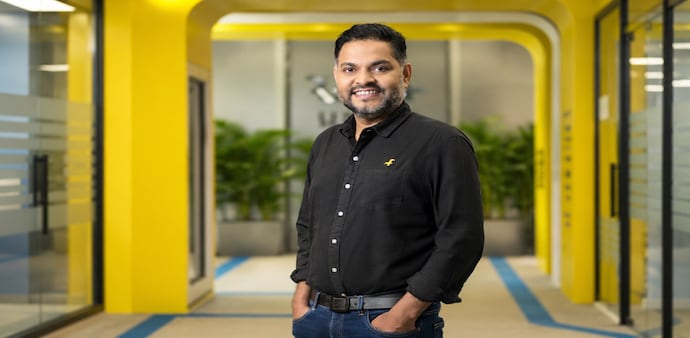
Going deeper into Bharat is emerging as a key growth strategy for India’s e-commerce and quick-commerce players, and Flipkart is doubling down on the opportunity ahead of the festive season. Hemant Badri, Senior Vice President and Head of Supply Chain, Flipkart Group, expects 60-70% of the company’s next 100 million customers could come from Tier 2 and Tier 3 markets.
“We have an opportunity for the next 100 million. Possibly, 60-70% of that could be Tier 2, Tier 3,” Badri said.
The shift towards smaller cities is being driven not only by rising digital adoption but also by the lack of organised offline retail infrastructure in many of these markets, according to Badri.
Meesho, on the other hand, already has established a strong position in deeper Bharat. According to Badri, while metros and Tier 1 cities have established retail ecosystems, warehouses and distribution networks, many smaller towns still lack the same infrastructure.
For Flipkart, building that network is therefore central to unlocking demand. The company has expanded its network from around 7,000 nodes to 8,400 facilities and added around 750 PIN codes over the past year. It has also expanded its appliance supply-chain network, bringing the average distance products travel closer to customers down from around 300 km to 150 km across the markets it has added.
Badri said this infrastructure push is also critical as consumer expectations around delivery speed change, partly driven by the rise of quick commerce. Flipkart has doubled its same-day and next-day deliveries over the past year and expects to continue expanding day-one delivery over the next two years.
READ THIS: Flipkart Big Billion Days: MacBook Air M5, iPhone 17 and iPad Air M4 get festive price tags
The challenge is particularly significant beyond the largest cities, where building fulfilment infrastructure can take substantially longer. Badri said a warehouse that could potentially be built in around 18 months in a metro could take close to three years in a Tier 2 or Tier 3 market, owing to land, approvals and the lack of an established logistics ecosystem.
This faster-delivery push also comes as Amazon has made one-day delivery a mainstream proposition in e-commerce, raising the competitive bar for Flipkart. The company’s response is to place inventory and fulfilment infrastructure closer to customers rather than rely solely on long-distance shipments.
At the same time, Flipkart is positioning its quick-commerce business Minutes as an extension of its broader customer strategy rather than a standalone metro-focused business. The company plans to expand Minutes to around 1,250 stores across nearly 180 cities and towns, with around 120 of those locations in Tier 2 and Tier 3 markets.
Badri said Flipkart sees quick commerce as another way to serve its existing customer base, while its core e-commerce business continues to offer a significantly wider selection. The company is therefore pursuing a two-pronged strategy which is to take its selection and infrastructure deeper into Bharat, expanding selection and infrastructure into markets where Meesho has built a strong presence, while using faster and eventually one-day delivery to make Flipkart more competitive across India's next wave of online shoppers.
Going deeper into Bharat is emerging as a key growth strategy for India’s e-commerce and quick-commerce players, and Flipkart is doubling down on the opportunity ahead of the festive season. Hemant Badri, Senior Vice President and Head of Supply Chain, Flipkart Group, expects 60-70% of the company’s next 100 million customers could come from Tier 2 and Tier 3 markets.
“We have an opportunity for the next 100 million. Possibly, 60-70% of that could be Tier 2, Tier 3,” Badri said.
The shift towards smaller cities is being driven not only by rising digital adoption but also by the lack of organised offline retail infrastructure in many of these markets, according to Badri.
Meesho, on the other hand, already has established a strong position in deeper Bharat. According to Badri, while metros and Tier 1 cities have established retail ecosystems, warehouses and distribution networks, many smaller towns still lack the same infrastructure.
For Flipkart, building that network is therefore central to unlocking demand. The company has expanded its network from around 7,000 nodes to 8,400 facilities and added around 750 PIN codes over the past year. It has also expanded its appliance supply-chain network, bringing the average distance products travel closer to customers down from around 300 km to 150 km across the markets it has added.
Badri said this infrastructure push is also critical as consumer expectations around delivery speed change, partly driven by the rise of quick commerce. Flipkart has doubled its same-day and next-day deliveries over the past year and expects to continue expanding day-one delivery over the next two years.
READ THIS: Flipkart Big Billion Days: MacBook Air M5, iPhone 17 and iPad Air M4 get festive price tags
The challenge is particularly significant beyond the largest cities, where building fulfilment infrastructure can take substantially longer. Badri said a warehouse that could potentially be built in around 18 months in a metro could take close to three years in a Tier 2 or Tier 3 market, owing to land, approvals and the lack of an established logistics ecosystem.
This faster-delivery push also comes as Amazon has made one-day delivery a mainstream proposition in e-commerce, raising the competitive bar for Flipkart. The company’s response is to place inventory and fulfilment infrastructure closer to customers rather than rely solely on long-distance shipments.
At the same time, Flipkart is positioning its quick-commerce business Minutes as an extension of its broader customer strategy rather than a standalone metro-focused business. The company plans to expand Minutes to around 1,250 stores across nearly 180 cities and towns, with around 120 of those locations in Tier 2 and Tier 3 markets.
Badri said Flipkart sees quick commerce as another way to serve its existing customer base, while its core e-commerce business continues to offer a significantly wider selection. The company is therefore pursuing a two-pronged strategy which is to take its selection and infrastructure deeper into Bharat, expanding selection and infrastructure into markets where Meesho has built a strong presence, while using faster and eventually one-day delivery to make Flipkart more competitive across India's next wave of online shoppers.