
8 bowls of dal: Why traditional Indian plates fail to meet daily 60 gm protein targets
India's protein story: National consumption tracking shows that higher-expenditure households are rapidly increasing their intake of fats and ultra-processed foods rather than high-quality proteins.
- Jun 25, 2026,
- Updated Jun 25, 2026 5:46 PM IST
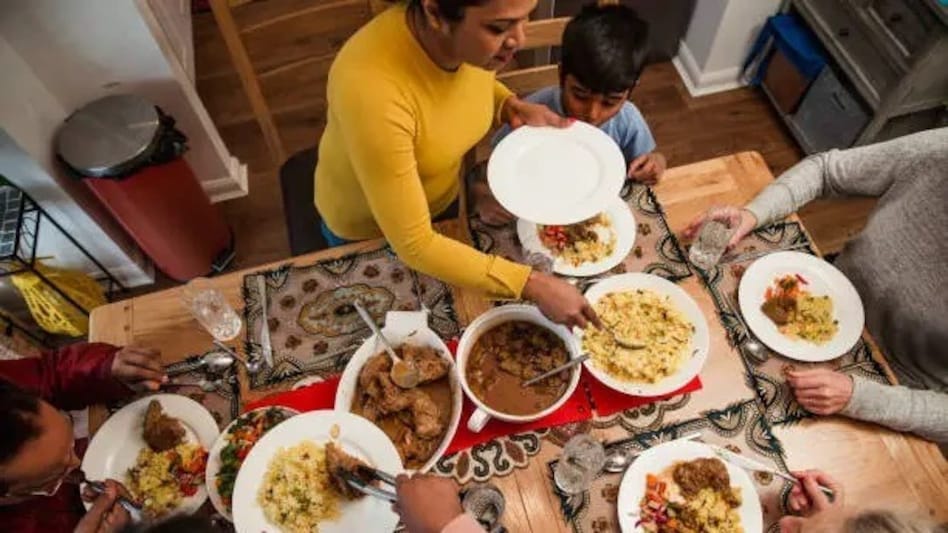
A typical Indian family sits down to dinner, passing around bowls of steaming rice, fresh rotis, and a standard serving of dal. On paper, the meal is comforting, traditional, and seemingly complete. By the end of the night, every member leaves the table feeling entirely full. Yet, at a cellular level, their bodies are quietly starving.
This everyday scene plays out in millions of households across the country, masking a severe macroeconomic and physiological reality: while India successfully eradicated widespread caloric hunger decades ago, it inadvertently built a society trapped in a state of high-carbohydrate, low-protein nutrition.
The crisis is no longer about a lack of food, but the quality of what is being consumed. Data from the Indian Council of Medical Research (ICMR) reveals that between 60% to 73% of Indians fail to meet their daily recommended dietary allowance (RDA) for protein.
MUST READ | Soya or eggs? Here's the nutrition fact at the heart of West Bengal’s mid-day meal row
The average Indian consumes just 47 gm of protein per day, a figure drastically lower than the global average of 68 gm. As chronic fatigue, muscle loss, and metabolic issues rise, addressing this hidden hunger requires looking past cultural assumptions to separate the facts from the myths.
Myth 1: A standard dal-roti-rice covers daily protein needs.
The Fact: While lentils (dal) are a celebrated plant-based staple, they are not a silver-bullet protein source. Pulses consist of roughly 20% protein and are heavily bundled with carbohydrates. To successfully hit a basic daily target of 60 gm of protein through dal alone, an individual would need to consume 7 to 8 bowls a day — a volume that is virtually impossible for the average digestive system.
Furthermore, data shows that over 60% of the daily protein Indians do consume currently comes directly from cereals like rice and wheat. This creates a distinct biological hurdle: grain-derived protein features a lower amino acid profile and poor digestibility, meaning the body absorbs significantly less actual nutrition than the raw numbers suggest.
Myth 2: Protein deficiency is a low-income or rural issue.
The Fact: The country is experiencing a profound "double burden" of malnutrition that completely ignores economic class. While low-income households face severe economic barriers to purchasing protein-dense foods like dairy, eggs, and meat, urban and high-income demographics are equally compromised by an awareness deficit.
DON'T MISS | Veg vs Non-veg: Why West Bengal's ISKCON school meal takeover policy triggered a controversy
National consumption tracking shows that higher-expenditure households are rapidly increasing their intake of fats and ultra-processed foods rather than high-quality proteins.
Consumer surveys consistently indicate that nearly 74% of urban Indians cannot correctly identify their personal daily macro-nutrient requirements, leading to chronic muscle mass loss and fatigue that is routinely misattributed to a fast-paced lifestyle.
Myth 3: Plant proteins are inferior and cannot build a healthy physique.
The Fact: Plant proteins are often labeled incomplete because individual sources lack specific essential amino acids (such as lysine in grains or methionine in legumes). However, traditional Indian culinary architecture naturally solves this when executed in correct proportions.
Pairing grains and legumes together — such as a classic dal-chawal or roti-subzi combination — creates amino acid complementarity, effectively synthesizing a complete, high-quality protein profile.
To maximise muscle synthesis and overall metabolic health, the ICMR guidelines suggest aiming for an optimized dietary ratio of cereals to pulses to dairy. Small, intentional adjustments to plate architecture, rather than an entire dietary overhaul, are all it takes to bridge the national protein gap.
A typical Indian family sits down to dinner, passing around bowls of steaming rice, fresh rotis, and a standard serving of dal. On paper, the meal is comforting, traditional, and seemingly complete. By the end of the night, every member leaves the table feeling entirely full. Yet, at a cellular level, their bodies are quietly starving.
This everyday scene plays out in millions of households across the country, masking a severe macroeconomic and physiological reality: while India successfully eradicated widespread caloric hunger decades ago, it inadvertently built a society trapped in a state of high-carbohydrate, low-protein nutrition.
The crisis is no longer about a lack of food, but the quality of what is being consumed. Data from the Indian Council of Medical Research (ICMR) reveals that between 60% to 73% of Indians fail to meet their daily recommended dietary allowance (RDA) for protein.
MUST READ | Soya or eggs? Here's the nutrition fact at the heart of West Bengal’s mid-day meal row
The average Indian consumes just 47 gm of protein per day, a figure drastically lower than the global average of 68 gm. As chronic fatigue, muscle loss, and metabolic issues rise, addressing this hidden hunger requires looking past cultural assumptions to separate the facts from the myths.
Myth 1: A standard dal-roti-rice covers daily protein needs.
The Fact: While lentils (dal) are a celebrated plant-based staple, they are not a silver-bullet protein source. Pulses consist of roughly 20% protein and are heavily bundled with carbohydrates. To successfully hit a basic daily target of 60 gm of protein through dal alone, an individual would need to consume 7 to 8 bowls a day — a volume that is virtually impossible for the average digestive system.
Furthermore, data shows that over 60% of the daily protein Indians do consume currently comes directly from cereals like rice and wheat. This creates a distinct biological hurdle: grain-derived protein features a lower amino acid profile and poor digestibility, meaning the body absorbs significantly less actual nutrition than the raw numbers suggest.
Myth 2: Protein deficiency is a low-income or rural issue.
The Fact: The country is experiencing a profound "double burden" of malnutrition that completely ignores economic class. While low-income households face severe economic barriers to purchasing protein-dense foods like dairy, eggs, and meat, urban and high-income demographics are equally compromised by an awareness deficit.
DON'T MISS | Veg vs Non-veg: Why West Bengal's ISKCON school meal takeover policy triggered a controversy
National consumption tracking shows that higher-expenditure households are rapidly increasing their intake of fats and ultra-processed foods rather than high-quality proteins.
Consumer surveys consistently indicate that nearly 74% of urban Indians cannot correctly identify their personal daily macro-nutrient requirements, leading to chronic muscle mass loss and fatigue that is routinely misattributed to a fast-paced lifestyle.
Myth 3: Plant proteins are inferior and cannot build a healthy physique.
The Fact: Plant proteins are often labeled incomplete because individual sources lack specific essential amino acids (such as lysine in grains or methionine in legumes). However, traditional Indian culinary architecture naturally solves this when executed in correct proportions.
Pairing grains and legumes together — such as a classic dal-chawal or roti-subzi combination — creates amino acid complementarity, effectively synthesizing a complete, high-quality protein profile.
To maximise muscle synthesis and overall metabolic health, the ICMR guidelines suggest aiming for an optimized dietary ratio of cereals to pulses to dairy. Small, intentional adjustments to plate architecture, rather than an entire dietary overhaul, are all it takes to bridge the national protein gap.