
'A drop denied is a red line': Top Pakistan military official escalates Indus treaty row with India in Singapore
Islamabad claims the Indus system supports 80% of its agricultural water needs and has urged international intervention.
- Jun 1, 2025,
- Updated Jun 1, 2025 1:02 PM IST
Pakistan’s top military official, General Sahir Shamshad Mirza, has issued a direct warning over India’s suspension of the Indus Waters Treaty, declaring that any attempt to “halt, divert, or delay Pakistan’s rightful share of water would be considered an act of war.”
Speaking at the Shangri-La Dialogue in Singapore, the Chairman of Pakistan’s Joint Chiefs of Staff Committee framed the issue as a red line with national security implications.
India suspended the 1960 Indus Waters Treaty in April, following the Pahalgam terrorist attack that killed 26 civilians.
The move marked the first formal halt to a treaty that had survived six decades of conflict and was seen as a rare channel of cooperation between the two countries.
India cited persistent cross-border terrorism and a breakdown of the treaty’s spirit as justification.
Union Minister Kirti Vardhan Singh argued that the original assumptions of the agreement no longer hold in the face of technological shifts, climate change, and repeated violations of trust by Pakistan.
Pakistan responded at the UN Glaciers Conference in Tajikistan, where Prime Minister Shehbaz Sharif called the move “illegal” and warned it endangered millions of lives. Islamabad claims the Indus system supports 80% of its agricultural water needs and has urged international intervention.
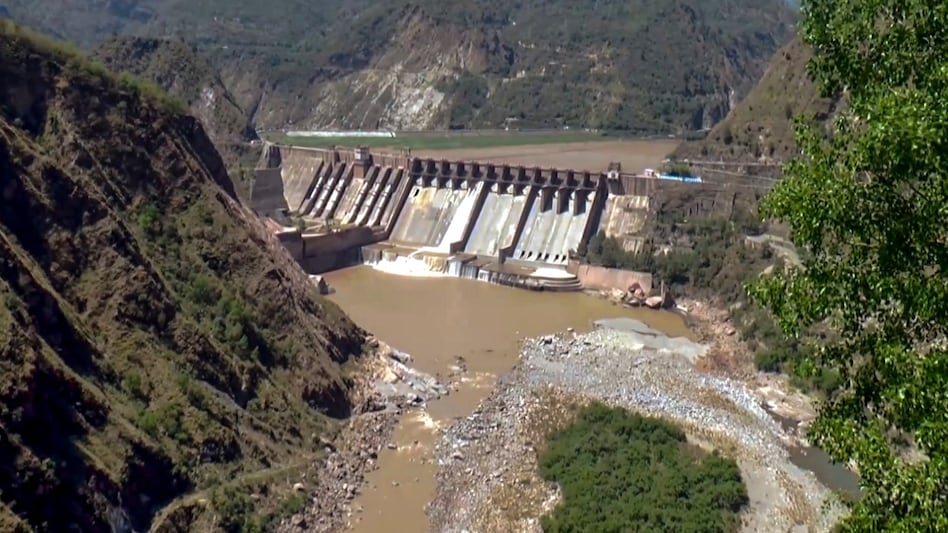
India is now expected to accelerate stalled hydropower and irrigation projects on the Indus, Jhelum, and Chenab rivers—waters allocated to Pakistan under the treaty. In India, there is growing domestic support for reassessing or renegotiating the treaty’s terms, which some see as outdated and unfavorable.
What is Chinese stand on this?
While China has avoided official comment, state-linked Chinese analysts have portrayed India’s move as coercive and destabilizing. Chinese media have highlighted the Indus’s Tibetan origins, implying China’s stake in the region’s water dynamics. Social media narratives in China have warned of potential retaliation, referencing Beijing’s control over rivers flowing into India.
Pakistan’s top military official, General Sahir Shamshad Mirza, has issued a direct warning over India’s suspension of the Indus Waters Treaty, declaring that any attempt to “halt, divert, or delay Pakistan’s rightful share of water would be considered an act of war.”
Speaking at the Shangri-La Dialogue in Singapore, the Chairman of Pakistan’s Joint Chiefs of Staff Committee framed the issue as a red line with national security implications.
India suspended the 1960 Indus Waters Treaty in April, following the Pahalgam terrorist attack that killed 26 civilians.
The move marked the first formal halt to a treaty that had survived six decades of conflict and was seen as a rare channel of cooperation between the two countries.
India cited persistent cross-border terrorism and a breakdown of the treaty’s spirit as justification.
Union Minister Kirti Vardhan Singh argued that the original assumptions of the agreement no longer hold in the face of technological shifts, climate change, and repeated violations of trust by Pakistan.
Pakistan responded at the UN Glaciers Conference in Tajikistan, where Prime Minister Shehbaz Sharif called the move “illegal” and warned it endangered millions of lives. Islamabad claims the Indus system supports 80% of its agricultural water needs and has urged international intervention.
India is now expected to accelerate stalled hydropower and irrigation projects on the Indus, Jhelum, and Chenab rivers—waters allocated to Pakistan under the treaty. In India, there is growing domestic support for reassessing or renegotiating the treaty’s terms, which some see as outdated and unfavorable.
What is Chinese stand on this?
While China has avoided official comment, state-linked Chinese analysts have portrayed India’s move as coercive and destabilizing. Chinese media have highlighted the Indus’s Tibetan origins, implying China’s stake in the region’s water dynamics. Social media narratives in China have warned of potential retaliation, referencing Beijing’s control over rivers flowing into India.