
'No tactical mistake by our pilots': Ex-colonel says decision not to hit Pakistan's air defences first created high-risk scenario
The CDS on Saturday acknowledged that India suffered some aircraft losses during the operation, but stressed that they were followed by tactical corrections and a successful long-range offensive.
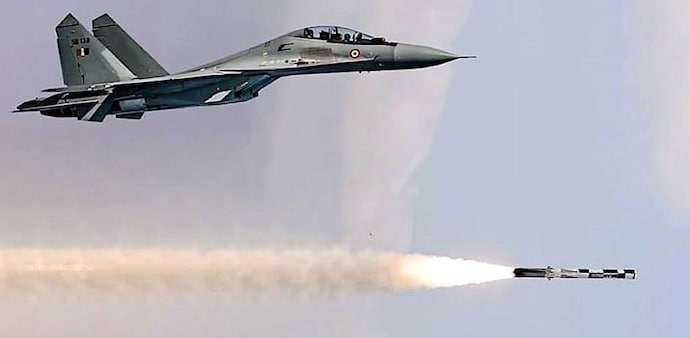
- Jun 1, 2025,
- Updated Jun 1, 2025 5:11 PM IST
A day after the Chief of Defence Staff acknowledged some initial aircraft losses during Operation Sindoor, a former Indian Army officer has come out in strong defence of the Indian Air Force (IAF). Retired Colonel Ajay K Raina clarified that the losses were a result of a strategic decision taken at the top level — not due to any tactical mistakes by the pilots. "The usual and the best way of fighting air battle is by starting with SEAD or DEAD operations, aimed at suppression or destruction, respectively, of the enemy Air Def assets,” Raina wrote in a detailed post on X.
"When SEAD and preferably DEAD has been achieved locally or across the board, the enemy gets blinded and the efficacy of his airforce gets deteriorated to a large extent," he said. "Once the enemy's head is down and his posterior is exposed, you go and take potshots on those targets. In other words, it is then that you go for the kill."
However, Raina pointed out that in Operation Sindoor, India chose to go directly for terrorist targets without first neutralising Pakistan's military air defences. "Here, since a decision had been taken to go for the kill (terrorist assets) without taking on Pakistan's military assets (AD and airforce), our pilots went for high-risk missions. Fortunately, they all came back safe."
Chief of Defence Staff Gen Anil Chauhan on Saturday acknowledged that India suffered some aircraft losses during the operation, but stressed that they were followed by tactical corrections and a successful long-range offensive. "What is important is not the jet being downed but why they were being downed," Gen Chauhan said in an interview in Singapore.
Colonel Raina clarified that the term "tactical mistake" should not be misunderstood. "Losses, as we all know, are part of any war but whatever little hit we took, was more because of a strategic decision taken at the top level rather than any tactical mistake that, in colloquial terms, may hint at professional mistakes by our air warriors," he wrote.
"We all must be proud of the fact that our ace pilots walked the path of high risk just to honour a decision that had created not-the-best scenario for them," he added. "Let's appreciate the spirit; believe me, it is not easy, neither for the top brass nor the daredevil taking off against odds."
The former army officer urged against over-analysing the losses and instead called for recognition of the pilots' courage. "Let us salute to brave mothers who have given such gallant souls to Bharat."
Meanwhile, strategic thinker Brahma Chellaney criticised the government's handling of the post-war messaging, saying the Chief of Defence Staff's acknowledgment of jet losses should have come from Indian soil — not at an international forum in Singapore — to avoid giving Pakistan a "propaganda victory."
However, foreign policy analyst Sushant Sareen maintained that the focus on aircraft losses misses the larger point. "Op Sindoor had two objectives...both were achieved,” Sareen said, listing the destruction of nine terrorist bases and the escalation dominance that followed. "The loss of a couple of aircraft is not the metric on basis of which Op Sindoor is to be judged...what followed was the grounding of the PAF, decimation of Turkish drones, and destruction of Chinese junk tech in air defences and radars."
Losses of fighter jets are a normal part of modern warfare — even the most advanced air forces in the world are not immune. The United States, despite enjoying overwhelming air superiority, is estimated to have lost around 68 fighter jets in Iraq and Afghanistan. Russia, facing a far smaller Ukrainian air force, is believed to have lost over 100 jets in the ongoing conflict. Yet, neither country has officially acknowledged the full extent of these losses.
A day after the Chief of Defence Staff acknowledged some initial aircraft losses during Operation Sindoor, a former Indian Army officer has come out in strong defence of the Indian Air Force (IAF). Retired Colonel Ajay K Raina clarified that the losses were a result of a strategic decision taken at the top level — not due to any tactical mistakes by the pilots. "The usual and the best way of fighting air battle is by starting with SEAD or DEAD operations, aimed at suppression or destruction, respectively, of the enemy Air Def assets,” Raina wrote in a detailed post on X.
"When SEAD and preferably DEAD has been achieved locally or across the board, the enemy gets blinded and the efficacy of his airforce gets deteriorated to a large extent," he said. "Once the enemy's head is down and his posterior is exposed, you go and take potshots on those targets. In other words, it is then that you go for the kill."
However, Raina pointed out that in Operation Sindoor, India chose to go directly for terrorist targets without first neutralising Pakistan's military air defences. "Here, since a decision had been taken to go for the kill (terrorist assets) without taking on Pakistan's military assets (AD and airforce), our pilots went for high-risk missions. Fortunately, they all came back safe."
Chief of Defence Staff Gen Anil Chauhan on Saturday acknowledged that India suffered some aircraft losses during the operation, but stressed that they were followed by tactical corrections and a successful long-range offensive. "What is important is not the jet being downed but why they were being downed," Gen Chauhan said in an interview in Singapore.
Colonel Raina clarified that the term "tactical mistake" should not be misunderstood. "Losses, as we all know, are part of any war but whatever little hit we took, was more because of a strategic decision taken at the top level rather than any tactical mistake that, in colloquial terms, may hint at professional mistakes by our air warriors," he wrote.
"We all must be proud of the fact that our ace pilots walked the path of high risk just to honour a decision that had created not-the-best scenario for them," he added. "Let's appreciate the spirit; believe me, it is not easy, neither for the top brass nor the daredevil taking off against odds."
The former army officer urged against over-analysing the losses and instead called for recognition of the pilots' courage. "Let us salute to brave mothers who have given such gallant souls to Bharat."
Meanwhile, strategic thinker Brahma Chellaney criticised the government's handling of the post-war messaging, saying the Chief of Defence Staff's acknowledgment of jet losses should have come from Indian soil — not at an international forum in Singapore — to avoid giving Pakistan a "propaganda victory."
However, foreign policy analyst Sushant Sareen maintained that the focus on aircraft losses misses the larger point. "Op Sindoor had two objectives...both were achieved,” Sareen said, listing the destruction of nine terrorist bases and the escalation dominance that followed. "The loss of a couple of aircraft is not the metric on basis of which Op Sindoor is to be judged...what followed was the grounding of the PAF, decimation of Turkish drones, and destruction of Chinese junk tech in air defences and radars."
Losses of fighter jets are a normal part of modern warfare — even the most advanced air forces in the world are not immune. The United States, despite enjoying overwhelming air superiority, is estimated to have lost around 68 fighter jets in Iraq and Afghanistan. Russia, facing a far smaller Ukrainian air force, is believed to have lost over 100 jets in the ongoing conflict. Yet, neither country has officially acknowledged the full extent of these losses.