
Air ambulance crash, Ajit Pawar incident: RTI exposes DGCA 40% staff shortfall -- INDIA TODAY EXCLUSIVE
Air ambulance crash, Ajit Pawar incident: RTI exposes DGCA 40% staff shortfall -- INDIA TODAY EXCLUSIVE
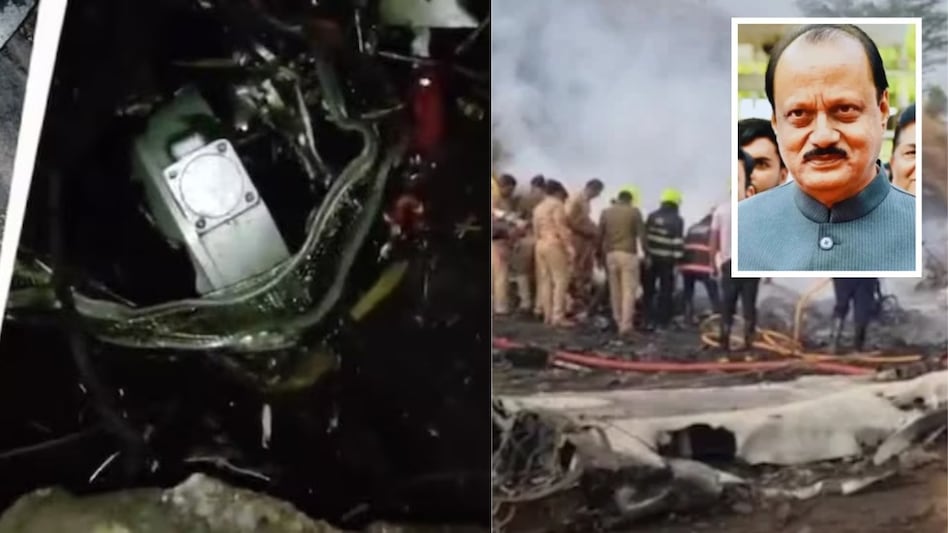
The RTI was filed in the aftermath of the January 28 incident involving Ajit Pawar’s aircraft, seeking detailed information on DGCA audits of non-scheduled operators (NSOPs), instances of expired aircraft components being used, crash findings in earlier accidents, and the regulator’s staffing strength.
Ashok Upadhyay
- Feb 24, 2026,
- Updated Feb 24, 2026 3:24 PM IST
After Monday night’s tragic air ambulance crash in Jharkhand’s Chatra district that killed seven people, and weeks after Maharashtra Deputy Chief Minister Ajit Pawar’s aircraft incident on January 28, a Right to Information (RTI) response accessed by India Today raises serious concerns about whether India’s aviation watchdog is adequately staffed to enforce safety.
Advertisement
The RTI was filed in the aftermath of the January 28 incident involving Ajit Pawar’s aircraft, seeking detailed information on DGCA audits of non-scheduled operators (NSOPs), instances of expired aircraft components being used, crash findings in earlier accidents, and the regulator’s staffing strength.
While the Directorate General of Civil Aviation (DGCA) hasn’t provided substantive operational details, the staffing figures it disclosed reveal significant shortages in its core safety divisions.
Monday’s crash: What happened
On Monday night, a Redbird Airways Beechcraft C90 (VT-AJV) operating as an air ambulance from Ranchi to Delhi crashed near Simaria in Jharkhand’s Chatra district. According to the DGCA, the aircraft requested a deviation due to weather after establishing contact with Kolkata. At 7:34 pm, it lost communication and radar contact.
Advertisement
Local officials indicated that a thunderstorm may have caused the crash, though a formal investigation is underway. All seven on board, including two crew members, a patient, and family members, were killed.
The tragedy has once again put the spotlight on regulatory oversight of non-scheduled and air ambulance operations.
What the RTI asked
The RTI, filed after Ajit Pawar’s January 28 aircraft incident, sought comprehensive details on DGCA’s oversight of non-scheduled operators (NSOPs) between January 2023 and December 2025 - including safety audits conducted, major violations detected, and action taken. It also asked for the number of instances where aircraft or helicopter components were used beyond prescribed expiry limits, along with details of operators penalised, suspended or grounded.
Advertisement
In addition, the RTI sought DGCA’s findings in the September 2023 Learjet 45 crash involving VSR Ventures, including observations on pilot training standards and unstabilised approaches, and whether the operator had been subjected to any special surveillance before a subsequent crash.
What the DGCA said
In its reply, however, the DGCA clarified that the concerned CPIO deals only with cadre management of Group ‘A’ Technical Officers and that the information sought did not form part of the records held by that office. It added that the application had been forwarded to other concerned CPIOs.
The numbers that raise questions
While operational details were not provided, the RTI reply did disclose staffing data in the DGCA’s key safety wings and the figures are striking.
In the Airworthiness Wing, which oversees aircraft maintenance standards and compliance, 310 posts are sanctioned but only 174 are filled, leaving 136 vacancies, nearly 44% of positions unoccupied.
The Air Safety Wing, responsible for audits and safety oversight, has 116 sanctioned posts, of which only 86 are filled. That leaves 30 vacancies, a shortfall of over 25%.
Advertisement
Most unusually, the Surveillance & Enforcement Division shows zero sanctioned posts, yet seven personnel are currently working in the division.
After Monday night’s tragic air ambulance crash in Jharkhand’s Chatra district that killed seven people, and weeks after Maharashtra Deputy Chief Minister Ajit Pawar’s aircraft incident on January 28, a Right to Information (RTI) response accessed by India Today raises serious concerns about whether India’s aviation watchdog is adequately staffed to enforce safety.
Advertisement
The RTI was filed in the aftermath of the January 28 incident involving Ajit Pawar’s aircraft, seeking detailed information on DGCA audits of non-scheduled operators (NSOPs), instances of expired aircraft components being used, crash findings in earlier accidents, and the regulator’s staffing strength.
While the Directorate General of Civil Aviation (DGCA) hasn’t provided substantive operational details, the staffing figures it disclosed reveal significant shortages in its core safety divisions.
Monday’s crash: What happened
On Monday night, a Redbird Airways Beechcraft C90 (VT-AJV) operating as an air ambulance from Ranchi to Delhi crashed near Simaria in Jharkhand’s Chatra district. According to the DGCA, the aircraft requested a deviation due to weather after establishing contact with Kolkata. At 7:34 pm, it lost communication and radar contact.
Advertisement
Local officials indicated that a thunderstorm may have caused the crash, though a formal investigation is underway. All seven on board, including two crew members, a patient, and family members, were killed.
The tragedy has once again put the spotlight on regulatory oversight of non-scheduled and air ambulance operations.
What the RTI asked
The RTI, filed after Ajit Pawar’s January 28 aircraft incident, sought comprehensive details on DGCA’s oversight of non-scheduled operators (NSOPs) between January 2023 and December 2025 - including safety audits conducted, major violations detected, and action taken. It also asked for the number of instances where aircraft or helicopter components were used beyond prescribed expiry limits, along with details of operators penalised, suspended or grounded.
Advertisement
In addition, the RTI sought DGCA’s findings in the September 2023 Learjet 45 crash involving VSR Ventures, including observations on pilot training standards and unstabilised approaches, and whether the operator had been subjected to any special surveillance before a subsequent crash.
What the DGCA said
In its reply, however, the DGCA clarified that the concerned CPIO deals only with cadre management of Group ‘A’ Technical Officers and that the information sought did not form part of the records held by that office. It added that the application had been forwarded to other concerned CPIOs.
The numbers that raise questions
While operational details were not provided, the RTI reply did disclose staffing data in the DGCA’s key safety wings and the figures are striking.
In the Airworthiness Wing, which oversees aircraft maintenance standards and compliance, 310 posts are sanctioned but only 174 are filled, leaving 136 vacancies, nearly 44% of positions unoccupied.
The Air Safety Wing, responsible for audits and safety oversight, has 116 sanctioned posts, of which only 86 are filled. That leaves 30 vacancies, a shortfall of over 25%.
Advertisement
Most unusually, the Surveillance & Enforcement Division shows zero sanctioned posts, yet seven personnel are currently working in the division.
Read more!