
Bengal’s Big Five: ₹2.4 lakh crore in investment proposals since BJP took office in May 2026
The investment push comes as the West Bengal government, led by Chief Minister Suvendu Adhikari, unveiled its Investment Promotion Policy, 2026, on November 5. The policy offers financial assistance of up to 120% of eligible fixed capital investment to encourage industrial expansion and job creation.
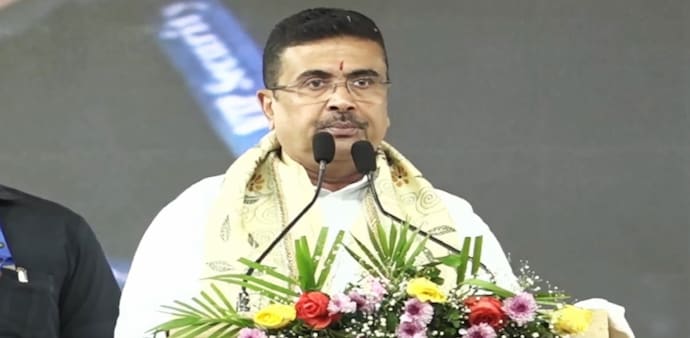
- Nov 6, 2026,
- Updated Nov 6, 2026 1:19 PM IST
West Bengal has attracted industrial investment proposals worth over ₹2.4 lakh crore from five major corporate groups since the BJP-led government assumed office in May 2026. The proposed investments span infrastructure, steel, power, aluminium, logistics, defence manufacturing and green energy, signalling renewed corporate interest in the state.
The investment push comes as the West Bengal government, led by Chief Minister Suvendu Adhikari, unveiled its Investment Promotion Policy, 2026, on November 5. The policy offers financial assistance of up to 120% of eligible fixed capital investment to encourage industrial expansion and job creation.
Adani leads with ₹1 lakh crore investment roadmap
The Adani Group has outlined the largest investment roadmap, exceeding ₹1 lakh crore through 2035. Its plans cover ports, logistics, power generation, roads, green cement and data centres.
The group's proposals also include a hospital project in New Town, Kolkata, estimated to involve an investment exceeding ₹4,000 crore.
Vedanta follows with potential investments of ₹70,000–80,000 crore. The mining and metals conglomerate is exploring power generation and aluminium smelting projects, potentially around Asansol.
If implemented, these projects could strengthen West Bengal's industrial manufacturing base and generate demand for supporting infrastructure.
JSW, Shyam Steel and Jai Balaji outline expansion plans
JSW Group has proposed investments of approximately ₹50,000 crore across power, steel, cement and ports. Its plans include further development of the Salboni power project, which could emerge as an important industrial investment in the state.
Shyam Steel has outlined a ₹15,000-crore expansion at Mejia in Bankura district. The proposal includes a 2-million-tonne-per-annum integrated steel plant and associated facilities. The foundation stone for the project was laid in July 2026.
Jai Balaji Group has proposed investments worth ₹6,000 crore, targeting specialised steel, defence, aerospace, railway components, precision engineering and green energy.
Together, the five groups account for proposed investments ranging from approximately ₹2.41 lakh crore to over ₹2.51 lakh crore, depending on Vedanta's eventual investment commitment.
New industrial policy offers up to 120% support
Under the West Bengal Investment Promotion Policy, 2026, regular manufacturing units can receive assistance capped at 100% of eligible fixed capital investment.
The ceiling increases to 110% for units operating in identified thrust sectors or priority areas and 120% for thrust-sector projects located in priority areas.
ALSO READ: Kolkata bets on real estate to unlock West Bengal’s growth potential
The assistance will be disbursed over 10 years from the commencement of production, subject to the prescribed investment ceiling.
The policy identifies semiconductors, electronics, electric vehicles, batteries, specialty steel, critical minerals processing, green hydrogen, pharmaceuticals, defence and shipbuilding as thrust sectors.
Will proposals translate into actual investment?
Despite the sizeable announcements, the investment figures represent proposals, exploratory plans and multi-year expansion roadmaps rather than completed investments.
Actual capital deployment will depend on land acquisition, regulatory clearances, financing and project execution.
The government's challenge will be converting corporate interest into operational industrial facilities, sustained employment generation and long-term economic growth.
DO READ: BJP spent ₹529 crore in last election cycle. How the party split its election fund?