
Bihar election debacle: Several Congress leaders slam organisational failures, call for overhaul
Former Governor and veteran Congress leader Nikhil Kumar offered an unvarnished assessment: the party’s organisational incapacity had cost it the election.
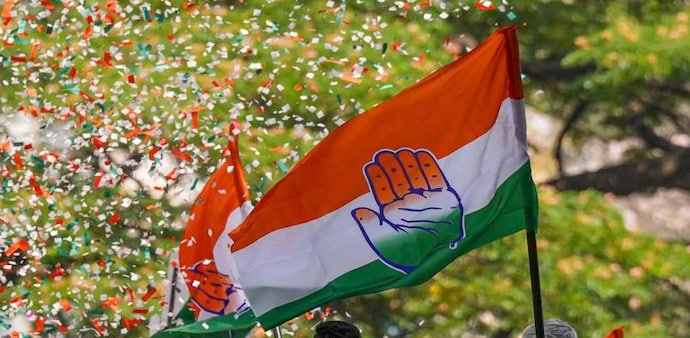
- Nov 14, 2025,
- Updated Nov 14, 2025 7:48 PM IST
The Bihar Assembly Elections 2025 have delivered yet another bruising setback for the Congress, which managed to win only one seat and was leading in five of the 61 seats it contested as part of the Mahagathbandhan alliance. In sharp contrast, the BJP-led National Democratic Alliance (NDA) surged ahead with leads on 208 of 243 seats, signalling a sweeping victory that has virtually wiped out the Opposition in the state.
As the numbers hardened through the day, a familiar churn began inside the Congress ecosystem: public discontent, organisational critique, and appeals for introspection — this time, far sharper and more widespread than in past poll cycles.
‘Huge errors were made’
Congress leader Kripananth Pathak was among the first to break ranks with diplomatic restraint, stating that the leadership in charge of Bihar “did not convey the correct information” and failed to identify “the right people.”
“How could such a huge error happen?” he asked, suggesting that grassroots complaints never reached the party’s top rung. “Now, they will have to take notice; otherwise, it could lead to a serious crisis.”
‘Not just introspection’
Congress MP Shashi Tharoor, while acknowledging the NDA’s overwhelming lead, argued that the party needed more than routine soul-searching.
“If this is the final result, there will have to be some very serious introspection… tactical, messaging or organisational mistakes,” he said. Notably, Tharoor added he was not invited to campaign in Bihar, signalling deeper internal fissures.
Organisational weakness
Former Governor and veteran Congress leader Nikhil Kumar offered an unvarnished assessment: the party’s organisational incapacity had cost it the election.
“This reflects the weakness of our organization… even better candidates could have been chosen,” he said. The selection process, he noted, lacked strategy and discipline — causing the party’s footprint to shrink further.
Kumar further argued that the Congress’ long legacy of governance and secular politics was not reflected in its electoral strategy. “Some of the candidates may not have been of the best quality — and perhaps that caused the result.”
‘Friendly fights’
Congress MP Akhilesh Prasad Singh congratulated the NDA but pointed to “friendly fights” — direct contests between allies RJD and Congress in certain constituencies — as a possible contributor to the dismal outcome.
He said the reasons for poor coordination should be explained by leaders directly overseeing Bihar strategy, including RJD’s Sanjay Yadav and the Congress’ Krishna Alavarru.
Ticket distribution controversy
Former minister Shakeel Ahmad, though no longer formally part of the Congress, recalled how senior leaders had publicly alleged irregularities in ticket distribution soon after candidate lists were released.
“If tickets were given for other reasons, then obviously action should be taken,” he said, calling for an investigation — implicitly reviving a sensitive issue for the state unit.
Perhaps the most symbolic marker of Congress’ decline is the AIMIM leading in more seats than the Congress in Bihar — particularly in the crucial Seemanchal region.
Describing this as “shocking,” Ahmad reminded that Congress had once held significant ground there, winning multiple seats even when contesting alone in 2010. The shift, he suggested, reflects a deeper erosion of trust among key constituencies.
The Congress’ performance in Bihar 2025 is not an isolated electoral dip — it is a manifestation of persistent structural weaknesses: organisational drift, candidate-selection disputes, lack of ground intelligence, feeble coordination with allies, and a messaging vacuum.
The Bihar Assembly Elections 2025 have delivered yet another bruising setback for the Congress, which managed to win only one seat and was leading in five of the 61 seats it contested as part of the Mahagathbandhan alliance. In sharp contrast, the BJP-led National Democratic Alliance (NDA) surged ahead with leads on 208 of 243 seats, signalling a sweeping victory that has virtually wiped out the Opposition in the state.
As the numbers hardened through the day, a familiar churn began inside the Congress ecosystem: public discontent, organisational critique, and appeals for introspection — this time, far sharper and more widespread than in past poll cycles.
‘Huge errors were made’
Congress leader Kripananth Pathak was among the first to break ranks with diplomatic restraint, stating that the leadership in charge of Bihar “did not convey the correct information” and failed to identify “the right people.”
“How could such a huge error happen?” he asked, suggesting that grassroots complaints never reached the party’s top rung. “Now, they will have to take notice; otherwise, it could lead to a serious crisis.”
‘Not just introspection’
Congress MP Shashi Tharoor, while acknowledging the NDA’s overwhelming lead, argued that the party needed more than routine soul-searching.
“If this is the final result, there will have to be some very serious introspection… tactical, messaging or organisational mistakes,” he said. Notably, Tharoor added he was not invited to campaign in Bihar, signalling deeper internal fissures.
Organisational weakness
Former Governor and veteran Congress leader Nikhil Kumar offered an unvarnished assessment: the party’s organisational incapacity had cost it the election.
“This reflects the weakness of our organization… even better candidates could have been chosen,” he said. The selection process, he noted, lacked strategy and discipline — causing the party’s footprint to shrink further.
Kumar further argued that the Congress’ long legacy of governance and secular politics was not reflected in its electoral strategy. “Some of the candidates may not have been of the best quality — and perhaps that caused the result.”
‘Friendly fights’
Congress MP Akhilesh Prasad Singh congratulated the NDA but pointed to “friendly fights” — direct contests between allies RJD and Congress in certain constituencies — as a possible contributor to the dismal outcome.
He said the reasons for poor coordination should be explained by leaders directly overseeing Bihar strategy, including RJD’s Sanjay Yadav and the Congress’ Krishna Alavarru.
Ticket distribution controversy
Former minister Shakeel Ahmad, though no longer formally part of the Congress, recalled how senior leaders had publicly alleged irregularities in ticket distribution soon after candidate lists were released.
“If tickets were given for other reasons, then obviously action should be taken,” he said, calling for an investigation — implicitly reviving a sensitive issue for the state unit.
Perhaps the most symbolic marker of Congress’ decline is the AIMIM leading in more seats than the Congress in Bihar — particularly in the crucial Seemanchal region.
Describing this as “shocking,” Ahmad reminded that Congress had once held significant ground there, winning multiple seats even when contesting alone in 2010. The shift, he suggested, reflects a deeper erosion of trust among key constituencies.
The Congress’ performance in Bihar 2025 is not an isolated electoral dip — it is a manifestation of persistent structural weaknesses: organisational drift, candidate-selection disputes, lack of ground intelligence, feeble coordination with allies, and a messaging vacuum.