
BT Explainer | BRICS decoded: The origin, evolution, members, partners and future of the summit
BT Explainer | BRICS decoded: The origin, evolution, members, partners and future of the summit
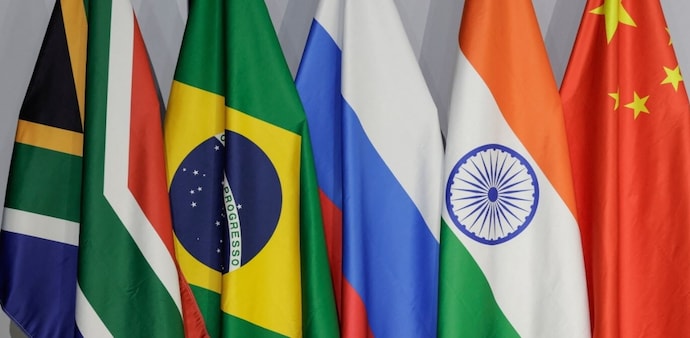
BRIC was formally established as a grouping at a meeting of the four countries' foreign ministers at the United Nations General Assembly in New York
Acharya Parikshit
- Sep 10, 2026,
- Updated Sep 10, 2026 10:14 PM IST
As India prepares to host the 18th BRICS Summit in New Delhi on September 12–13, the grouping of major emerging economies is once again in the global spotlight.
India assumed the BRICS chairship on January 1, 2026, and the year marks 20 years since BRICS was formally established as a grouping.
Advertisement
But what exactly is BRICS, how did the idea originate, who are its members today and which countries have partner status?
What is BRICS?
BRICS is a grouping and political-diplomatic coordination forum of countries from the Global South. It seeks to deepen cooperation in areas including economics, trade, finance, technology, sustainable development, politics and people-to-people exchanges.
The group also seeks greater representation for developing and emerging economies in institutions such as the United Nations, IMF, World Bank and WTO. BRICS does not operate like a conventional international organisation: it has no constitutive treaty, permanent secretariat or independent budget.
Its work broadly revolves around three pillars:
Advertisement
- Political and security cooperation
- Economic and financial cooperation
- Cultural and people-to-people exchanges
Concept of BRICS
The term BRIC was coined in 2001 by Jim O'Neill, then chief economist at Goldman Sachs.
In his research paper “Building Better Global Economic BRICs”, O'Neill identified Brazil, Russia, India and China as four rapidly growing emerging economies that could have a major influence on the global economy in the decades ahead.
Importantly, BRIC was initially an economic/investment concept, not a political organisation.
READ THIS: BRICS Summit: PM Modi, Russian President Putin to meet on Friday; here’s what’s on agenda
Foundation of BRIC
The four countries gradually transformed the economic concept into a political and diplomatic platform.
The first meeting of BRIC leaders took place on the sidelines of the G8 Outreach Summit in St Petersburg in July 2006. In September that year, BRIC was formally established as a grouping at a meeting of the four countries' foreign ministers at the United Nations General Assembly in New York.
Advertisement
The first BRIC Leaders' Summit was held in Yekaterinburg, Russia, on June 16, 2009.
DON'T MISS: Xi Jinping likely to visit India after 7 years for BRICS summit, may bring 400-member delegation
From BRIC to BRICS
The transformation from BRIC to BRICS happened after South Africa was invited to join.
South Africa was accepted as a full member at the BRIC Foreign Ministers' meeting in New York in September 2010. It subsequently attended the third summit in Sanya, China, in April 2011. With the addition of South Africa, the final “S” was added to BRIC, creating BRICS.
Motto of BRICS
There is no single permanent motto for BRICS as a whole, because the chair country generally sets a theme for its year of presidency.
For India's 2026 BRICS chairship, the official theme is:
“Building for Resilience, Innovation, Cooperation and Sustainability.”
The theme reflects India's focus on strengthening collective resilience, encouraging innovation, expanding cooperation and promoting sustainable development. India's approach is also guided by Prime Minister Narendra Modi's vision of a people-centric approach rooted in “Humanity First.”
Advertisement
Member countries of BRICS
BRICS has expanded substantially from its original four members.
The 11 full members are:
- Brazil
- Russia
- India
- China
- South Africa
- Egypt
- Ethiopia
- Iran
- Saudi Arabia
- United Arab Emirates
- Indonesia
South Africa became the first expansion member in 2011. At the 2023 Johannesburg Summit, leaders agreed to another major expansion involving Egypt, Ethiopia, Iran, Saudi Arabia and the UAE. Indonesia formally joined as a full member in January 2025.
DO READ: $1 trillion, 500+ investors: India to host landmark BRICS sovereign capital summit in New Delhi
Partner countries of BRICS
BRICS created a formal “Partner Country” category at the 2024 Kazan Summit.
The partner-country mechanism allows countries that are not full members to participate in selected BRICS activities and meetings, subject to the group's rules and consensus.
The 10 BRICS partner countries currently are:
- Belarus
- Bolivia
- Cuba
- Kazakhstan
- Malaysia
- Nigeria
- Thailand
- Uganda
- Uzbekistan
- Vietnam
The first group of partner countries joined the framework in 2025, with Vietnam subsequently becoming a partner country.
India hosts BRICS 2026: Why is it significant?
India assumed the BRICS chairship for 2026 on January 1, taking over from Brazil. This is India's fourth BRICS presidency, following its earlier chairships in 2012, 2016 and 2021. The flagship event of India's presidency will be the 18th BRICS Leaders' Summit, scheduled for September 12–13, 2026, at Bharat Mandapam in New Delhi.
Advertisement
India's chairship has involved more than 350 meetings and high-level engagements across more than 25 cities, covering areas such as trade, technology, health, climate change, disaster resilience, culture, urbanisation and digital cooperation.
The 2026 agenda is built around the four themes of resilience, innovation, cooperation and sustainability, with an emphasis on practical development-oriented outcomes.
ALSO READ: Clash with BRICS Leaders’ Summit: GST Council meeting likely to be rescheduled
Chairmanship of BRICS 2027
China is expected to take over the BRICS chairmanship in 2027.
The 2026 BRICS Foreign Ministers' meeting recorded that the next meeting would be hosted by China as the incoming 2027 BRICS chair.
The 2027 presidency will therefore mark the next stage in BRICS' expanding role as a platform for cooperation among major emerging economies and the wider Global South.
As India prepares to host the 18th BRICS Summit in New Delhi on September 12–13, the grouping of major emerging economies is once again in the global spotlight.
India assumed the BRICS chairship on January 1, 2026, and the year marks 20 years since BRICS was formally established as a grouping.
Advertisement
But what exactly is BRICS, how did the idea originate, who are its members today and which countries have partner status?
What is BRICS?
BRICS is a grouping and political-diplomatic coordination forum of countries from the Global South. It seeks to deepen cooperation in areas including economics, trade, finance, technology, sustainable development, politics and people-to-people exchanges.
The group also seeks greater representation for developing and emerging economies in institutions such as the United Nations, IMF, World Bank and WTO. BRICS does not operate like a conventional international organisation: it has no constitutive treaty, permanent secretariat or independent budget.
Its work broadly revolves around three pillars:
Advertisement
- Political and security cooperation
- Economic and financial cooperation
- Cultural and people-to-people exchanges
Concept of BRICS
The term BRIC was coined in 2001 by Jim O'Neill, then chief economist at Goldman Sachs.
In his research paper “Building Better Global Economic BRICs”, O'Neill identified Brazil, Russia, India and China as four rapidly growing emerging economies that could have a major influence on the global economy in the decades ahead.
Importantly, BRIC was initially an economic/investment concept, not a political organisation.
READ THIS: BRICS Summit: PM Modi, Russian President Putin to meet on Friday; here’s what’s on agenda
Foundation of BRIC
The four countries gradually transformed the economic concept into a political and diplomatic platform.
The first meeting of BRIC leaders took place on the sidelines of the G8 Outreach Summit in St Petersburg in July 2006. In September that year, BRIC was formally established as a grouping at a meeting of the four countries' foreign ministers at the United Nations General Assembly in New York.
Advertisement
The first BRIC Leaders' Summit was held in Yekaterinburg, Russia, on June 16, 2009.
DON'T MISS: Xi Jinping likely to visit India after 7 years for BRICS summit, may bring 400-member delegation
From BRIC to BRICS
The transformation from BRIC to BRICS happened after South Africa was invited to join.
South Africa was accepted as a full member at the BRIC Foreign Ministers' meeting in New York in September 2010. It subsequently attended the third summit in Sanya, China, in April 2011. With the addition of South Africa, the final “S” was added to BRIC, creating BRICS.
Motto of BRICS
There is no single permanent motto for BRICS as a whole, because the chair country generally sets a theme for its year of presidency.
For India's 2026 BRICS chairship, the official theme is:
“Building for Resilience, Innovation, Cooperation and Sustainability.”
The theme reflects India's focus on strengthening collective resilience, encouraging innovation, expanding cooperation and promoting sustainable development. India's approach is also guided by Prime Minister Narendra Modi's vision of a people-centric approach rooted in “Humanity First.”
Advertisement
Member countries of BRICS
BRICS has expanded substantially from its original four members.
The 11 full members are:
- Brazil
- Russia
- India
- China
- South Africa
- Egypt
- Ethiopia
- Iran
- Saudi Arabia
- United Arab Emirates
- Indonesia
South Africa became the first expansion member in 2011. At the 2023 Johannesburg Summit, leaders agreed to another major expansion involving Egypt, Ethiopia, Iran, Saudi Arabia and the UAE. Indonesia formally joined as a full member in January 2025.
DO READ: $1 trillion, 500+ investors: India to host landmark BRICS sovereign capital summit in New Delhi
Partner countries of BRICS
BRICS created a formal “Partner Country” category at the 2024 Kazan Summit.
The partner-country mechanism allows countries that are not full members to participate in selected BRICS activities and meetings, subject to the group's rules and consensus.
The 10 BRICS partner countries currently are:
- Belarus
- Bolivia
- Cuba
- Kazakhstan
- Malaysia
- Nigeria
- Thailand
- Uganda
- Uzbekistan
- Vietnam
The first group of partner countries joined the framework in 2025, with Vietnam subsequently becoming a partner country.
India hosts BRICS 2026: Why is it significant?
India assumed the BRICS chairship for 2026 on January 1, taking over from Brazil. This is India's fourth BRICS presidency, following its earlier chairships in 2012, 2016 and 2021. The flagship event of India's presidency will be the 18th BRICS Leaders' Summit, scheduled for September 12–13, 2026, at Bharat Mandapam in New Delhi.
Advertisement
India's chairship has involved more than 350 meetings and high-level engagements across more than 25 cities, covering areas such as trade, technology, health, climate change, disaster resilience, culture, urbanisation and digital cooperation.
The 2026 agenda is built around the four themes of resilience, innovation, cooperation and sustainability, with an emphasis on practical development-oriented outcomes.
ALSO READ: Clash with BRICS Leaders’ Summit: GST Council meeting likely to be rescheduled
Chairmanship of BRICS 2027
China is expected to take over the BRICS chairmanship in 2027.
The 2026 BRICS Foreign Ministers' meeting recorded that the next meeting would be hosted by China as the incoming 2027 BRICS chair.
The 2027 presidency will therefore mark the next stage in BRICS' expanding role as a platform for cooperation among major emerging economies and the wider Global South.
Read more!