
CAQM 2026 pollution rules: No fuel for these vehicles in Delhi-NCR from this date
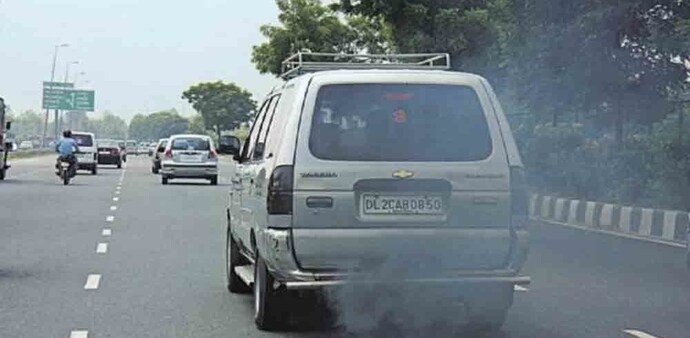
The rule is part of CAQM’s broader anti-pollution drive aimed at reducing vehicular emissions — one of the biggest contributors to poor air quality in the National Capital Region (NCR).
- May 16, 2026,
- Updated May 16, 2026 3:52 PM IST
The Commission for Air Quality Management (CAQM) has proposed a strict pollution-control measure under which fuel stations across Delhi-NCR will refuse petrol, diesel, or CNG to vehicles that do not have a valid Pollution Under Control (PUC) certificate.
The rule is part of CAQM’s broader anti-pollution drive aimed at reducing vehicular emissions — one of the biggest contributors to poor air quality in the National Capital Region (NCR).
Under the proposed guideline:
- Fuel pumps will verify whether a vehicle has a valid PUC certificate before dispensing fuel.
- Vehicles without a valid certificate may be denied fuel.
- Authorities may use automatic number plate recognition (ANPR) systems and digital verification tools for checks.
- Exceptions may be allowed for emergency vehicles and specific government operations.
Delhi had already implemented a similar “No PUC, No Fuel” enforcement model earlier in 2026, and CAQM has now decided to extend the framework across the NCR region.
When will the ‘No PUC, No Fuel’ rule come into effect?
According to CAQM’s Draft Direction No. 101, the rule is expected to come into force across the entire Delhi-NCR region from October 1, 2026.
The decision was approved during the 28th full commission meeting of CAQM held on May 15, 2026. Officials said the move is aimed at strengthening compliance with emission norms and reducing PM2.5 pollution levels in NCR cities.
Which vehicles will be affected by the new CAQM guidelines?
The proposed rule will apply to:
- Private cars
- Motorcycles and scooters
- Commercial vehicles
- Goods carriers
- Diesel and petrol vehicles
- CNG-run vehicles operating in NCR
Any vehicle without a valid PUC certificate may face denial of fuel at petrol pumps once the rule becomes operational.
The policy is expected to impact vehicles across: Delhi, Gurugram, Faridabad, Ghaziabad, Noida, other NCR districts covered under CAQM regulations.
The Commission for Air Quality Management (CAQM) has proposed a strict pollution-control measure under which fuel stations across Delhi-NCR will refuse petrol, diesel, or CNG to vehicles that do not have a valid Pollution Under Control (PUC) certificate.
The rule is part of CAQM’s broader anti-pollution drive aimed at reducing vehicular emissions — one of the biggest contributors to poor air quality in the National Capital Region (NCR).
Under the proposed guideline:
- Fuel pumps will verify whether a vehicle has a valid PUC certificate before dispensing fuel.
- Vehicles without a valid certificate may be denied fuel.
- Authorities may use automatic number plate recognition (ANPR) systems and digital verification tools for checks.
- Exceptions may be allowed for emergency vehicles and specific government operations.
Delhi had already implemented a similar “No PUC, No Fuel” enforcement model earlier in 2026, and CAQM has now decided to extend the framework across the NCR region.
When will the ‘No PUC, No Fuel’ rule come into effect?
According to CAQM’s Draft Direction No. 101, the rule is expected to come into force across the entire Delhi-NCR region from October 1, 2026.
The decision was approved during the 28th full commission meeting of CAQM held on May 15, 2026. Officials said the move is aimed at strengthening compliance with emission norms and reducing PM2.5 pollution levels in NCR cities.
Which vehicles will be affected by the new CAQM guidelines?
The proposed rule will apply to:
- Private cars
- Motorcycles and scooters
- Commercial vehicles
- Goods carriers
- Diesel and petrol vehicles
- CNG-run vehicles operating in NCR
Any vehicle without a valid PUC certificate may face denial of fuel at petrol pumps once the rule becomes operational.
The policy is expected to impact vehicles across: Delhi, Gurugram, Faridabad, Ghaziabad, Noida, other NCR districts covered under CAQM regulations.