
Cash transfers and freebies to women hurting state finances, more states may follow in 2026
Cash transfers may help in voter turnout but analysts warn of dire impact on state finances, state fiscal deficits to rise.
- Nov 17, 2025,
- Updated Nov 17, 2025 1:18 PM IST
With cash transfers to women being credited as one of the decisive factors in the National Democratic Alliance’s (NDA’s) landslide win in the Bihar Assembly elections, such freebies are expected to remain in vogue next year with a host of states going to the polls. However, experts warn that these can have a dire fiscal impact.
Five states—Assam, Kerala, Puducherry, Tamil Nadu and West Bengal—are set to go to the polls in 2026. Previous state elections like those in Karnataka, Maharashtra and Delhi and most recently Bihar have shown that cash transfers to women voters have had a huge impact on turnout in elections as well as the results.
Spending on freebies and cash transfers would have some socioeconomic benefits but will also increase states’ fiscal deficits even as concerns already abound on worsening state finances. The impact of the recently rolled out cuts in the rates and goods and services tax will also play out in the coming months.
“The cash transfers of Rs 10,000 provided to 2.1 million ahead of elections seem to be a successful model to win state elections. Even in Maharashtra state elections last year, cash transfers done to a large women population helped the NDA government to win the elections,” said a report by Macquarie Capital.
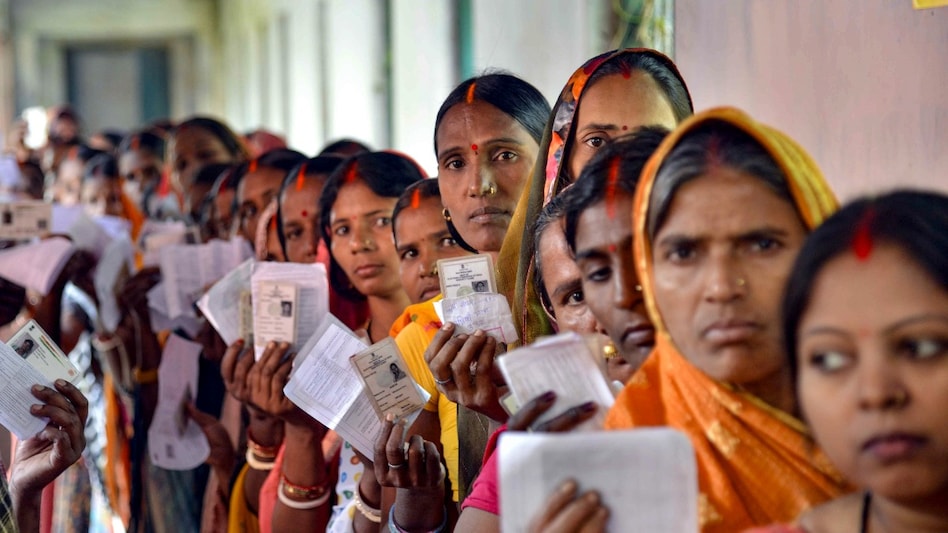
The recently concluded Bihar Legislative Assembly elections saw the highest-ever voter turnout of 66.91%. The turnout of female voters was also at an all-time high and was higher than the average at 71.6%.
A report by JM Financial Institutional Securities also attributed the increasing turnout of women voters in Bihar to the recently launched Mukhyamantri Mahila Rozgar Yojana wherein Rs 10,000 was transferred to one women per family played its role in increasing the turnout among women. “It is worth highlighting that 11 million women were identified for this scheme, which is one-third of the total women voters in the state,” it noted.
However, analysts warn that the free cash transfer schemes are leaving states with huge fiscal deficits that are difficult to contain.
Large cash transfers done ahead of elections are a populist move which has significant fiscal deficit implications. Bihar currently has a fiscal deficit of 8-9% (see below) and the cash transfer scheme alone can impact fiscal deficit by additional about 100 basis points, the Macquarie Capital report noted.
Bihar is only the latest in a long line of states to have rolled out massive freebies or subsidies in the last two years, notwithstanding the fiscal position or the political dispensation, said a report by Emkay Global Financial Services, noting that there has also been a clear case of the fiscal position worsening for states where these schemes have been implemented.
“Even so-called ‘fiscally good’ states such as Maharashtra and Odisha have caught the freebie bug,” said the report. Maharashtra’s fiscal deficit to GDP ratio rose by 40 basis points in the last year after the ‘Ladki Bahin’ scheme was introduced while Odisha’s rose by 100 basis points (with its FY26 budgeted FD/GDP now over 3%, whereas FD/GDP was 1.7% in FY24), warned the report by Emkay economists Madhavi Arora and Harshal Patel.
Bihar’s finances are even worse off given that it does not have much own tax revenue. Its FY25 FD/GDP was 6%, and it has budgeted 3% for FY26 on the back of a scarcely believable 22% nominal GDP growth assumption, pointed out the report.
With cash transfers to women being credited as one of the decisive factors in the National Democratic Alliance’s (NDA’s) landslide win in the Bihar Assembly elections, such freebies are expected to remain in vogue next year with a host of states going to the polls. However, experts warn that these can have a dire fiscal impact.
Five states—Assam, Kerala, Puducherry, Tamil Nadu and West Bengal—are set to go to the polls in 2026. Previous state elections like those in Karnataka, Maharashtra and Delhi and most recently Bihar have shown that cash transfers to women voters have had a huge impact on turnout in elections as well as the results.
Spending on freebies and cash transfers would have some socioeconomic benefits but will also increase states’ fiscal deficits even as concerns already abound on worsening state finances. The impact of the recently rolled out cuts in the rates and goods and services tax will also play out in the coming months.
“The cash transfers of Rs 10,000 provided to 2.1 million ahead of elections seem to be a successful model to win state elections. Even in Maharashtra state elections last year, cash transfers done to a large women population helped the NDA government to win the elections,” said a report by Macquarie Capital.
The recently concluded Bihar Legislative Assembly elections saw the highest-ever voter turnout of 66.91%. The turnout of female voters was also at an all-time high and was higher than the average at 71.6%.
A report by JM Financial Institutional Securities also attributed the increasing turnout of women voters in Bihar to the recently launched Mukhyamantri Mahila Rozgar Yojana wherein Rs 10,000 was transferred to one women per family played its role in increasing the turnout among women. “It is worth highlighting that 11 million women were identified for this scheme, which is one-third of the total women voters in the state,” it noted.
However, analysts warn that the free cash transfer schemes are leaving states with huge fiscal deficits that are difficult to contain.
Large cash transfers done ahead of elections are a populist move which has significant fiscal deficit implications. Bihar currently has a fiscal deficit of 8-9% (see below) and the cash transfer scheme alone can impact fiscal deficit by additional about 100 basis points, the Macquarie Capital report noted.
Bihar is only the latest in a long line of states to have rolled out massive freebies or subsidies in the last two years, notwithstanding the fiscal position or the political dispensation, said a report by Emkay Global Financial Services, noting that there has also been a clear case of the fiscal position worsening for states where these schemes have been implemented.
“Even so-called ‘fiscally good’ states such as Maharashtra and Odisha have caught the freebie bug,” said the report. Maharashtra’s fiscal deficit to GDP ratio rose by 40 basis points in the last year after the ‘Ladki Bahin’ scheme was introduced while Odisha’s rose by 100 basis points (with its FY26 budgeted FD/GDP now over 3%, whereas FD/GDP was 1.7% in FY24), warned the report by Emkay economists Madhavi Arora and Harshal Patel.
Bihar’s finances are even worse off given that it does not have much own tax revenue. Its FY25 FD/GDP was 6%, and it has budgeted 3% for FY26 on the back of a scarcely believable 22% nominal GDP growth assumption, pointed out the report.