
₹19 lakh MG Windsor EV broke down in just 4 days; customer wins full refund
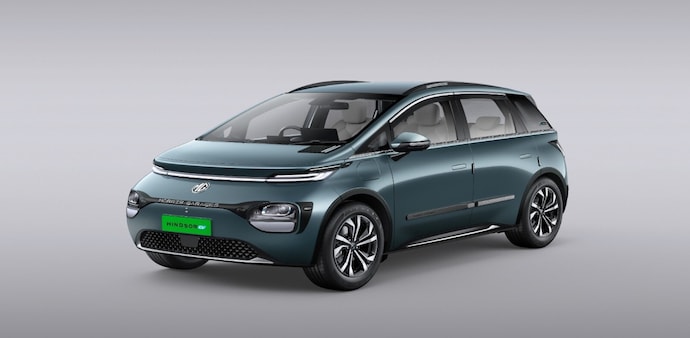
The case was filed by Pukhraj Singh Bal, who purchased an MG Windsor EV Essence Pro in July 2025 for approximately ₹19.07 lakh, including accessories
- Jun 24, 2026,
- Updated Jun 24, 2026 11:30 AM IST
The District Consumer Disputes Redressal Commission (DCDRC) in Chandigarh has directed JSW MG Motor India and its authorised dealer to refund ₹19.56 lakh to a customer whose MG Windsor EV allegedly became non-operational just days after purchase.
The case was filed by Pukhraj Singh Bal, who purchased an MG Windsor EV Essence Pro in July 2025 for approximately ₹19.07 lakh, including accessories. According to the complaint, the electric vehicle suffered a sudden breakdown just four days after delivery while Bal was travelling with his family. The complainant alleged that the vehicle stopped abruptly on the road, resulting in a rear-end collision and raising serious safety concerns.
MUST READ: A ₹10 charge turned into an ₹8,000 payout for Red Tape — here’s what happened
After the incident, the vehicle was towed to the dealer's workshop. Bal claimed that despite repeated follow-ups, the issue remained unresolved for weeks. When he eventually visited the workshop, he found that the vehicle had allegedly sustained additional damage while in the dealer's custody. Dissatisfied with the response from both the dealer and manufacturer, he approached the consumer commission seeking a refund or replacement.
JSW MG's defense
The dealer and JSW MG Motor denied the existence of any manufacturing defect. They argued that the vehicle's Advanced Driver Assistance System (ADAS) had functioned normally and that the collision occurred due to automatic braking triggered by traffic conditions. The company also maintained that the vehicle had already covered nearly 485 km within four days of delivery, suggesting normal usage.
Commission’s observations
However, the consumer commission, headed by President Amrinder Singh Sidhu and Member B M Sharman, was not convinced. The panel observed that neither the manufacturer nor the dealer produced technical evidence such as event data recorder logs, diagnostic reports, software analysis, or expert opinions to prove that the vehicle's sudden stoppage was solely due to the normal operation of ADAS. The commission also rejected the inspection report submitted by the dealer, describing it as a self-serving document prepared without involving the consumer.
ALSO READ: Setback for Ola Electric! Consumer to get full refund for defective S1 X Plus
The commission further noted that the dealer had admitted the vehicle was damaged by a third party while it was parked at the workshop, establishing negligence and deficiency in service. It held that a consumer who spends over ₹19 lakh on a new vehicle is entitled to expect reliability and uninterrupted performance.
Commission's order
The panel ordered JSW MG Motor and the dealer to refund ₹18.49 lakh, reimburse ₹57,690 spent on accessories, and pay ₹50,000 towards compensation and litigation expenses. The ruling is being seen as an important reminder that automakers and dealerships can be held accountable when customers face serious quality or service-related issues shortly after purchase.
The District Consumer Disputes Redressal Commission (DCDRC) in Chandigarh has directed JSW MG Motor India and its authorised dealer to refund ₹19.56 lakh to a customer whose MG Windsor EV allegedly became non-operational just days after purchase.
The case was filed by Pukhraj Singh Bal, who purchased an MG Windsor EV Essence Pro in July 2025 for approximately ₹19.07 lakh, including accessories. According to the complaint, the electric vehicle suffered a sudden breakdown just four days after delivery while Bal was travelling with his family. The complainant alleged that the vehicle stopped abruptly on the road, resulting in a rear-end collision and raising serious safety concerns.
MUST READ: A ₹10 charge turned into an ₹8,000 payout for Red Tape — here’s what happened
After the incident, the vehicle was towed to the dealer's workshop. Bal claimed that despite repeated follow-ups, the issue remained unresolved for weeks. When he eventually visited the workshop, he found that the vehicle had allegedly sustained additional damage while in the dealer's custody. Dissatisfied with the response from both the dealer and manufacturer, he approached the consumer commission seeking a refund or replacement.
JSW MG's defense
The dealer and JSW MG Motor denied the existence of any manufacturing defect. They argued that the vehicle's Advanced Driver Assistance System (ADAS) had functioned normally and that the collision occurred due to automatic braking triggered by traffic conditions. The company also maintained that the vehicle had already covered nearly 485 km within four days of delivery, suggesting normal usage.
Commission’s observations
However, the consumer commission, headed by President Amrinder Singh Sidhu and Member B M Sharman, was not convinced. The panel observed that neither the manufacturer nor the dealer produced technical evidence such as event data recorder logs, diagnostic reports, software analysis, or expert opinions to prove that the vehicle's sudden stoppage was solely due to the normal operation of ADAS. The commission also rejected the inspection report submitted by the dealer, describing it as a self-serving document prepared without involving the consumer.
ALSO READ: Setback for Ola Electric! Consumer to get full refund for defective S1 X Plus
The commission further noted that the dealer had admitted the vehicle was damaged by a third party while it was parked at the workshop, establishing negligence and deficiency in service. It held that a consumer who spends over ₹19 lakh on a new vehicle is entitled to expect reliability and uninterrupted performance.
Commission's order
The panel ordered JSW MG Motor and the dealer to refund ₹18.49 lakh, reimburse ₹57,690 spent on accessories, and pay ₹50,000 towards compensation and litigation expenses. The ruling is being seen as an important reminder that automakers and dealerships can be held accountable when customers face serious quality or service-related issues shortly after purchase.