
'Cornerstone of...': SC comes out in support of journalists in landmark ruling; says criticism of government not grounds for criminal charges
The ruling was delivered in response to an FIR filed against journalist Abhishek Upadhyay in Uttar Pradesh
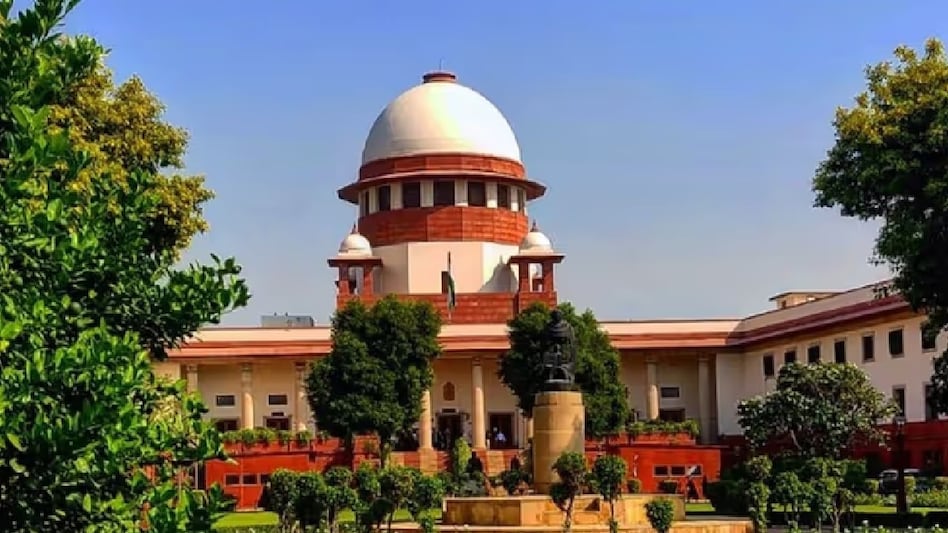
- Oct 4, 2024,
- Updated Oct 4, 2024 8:10 PM IST
In a significant ruling, the Supreme Court on Friday affirmed that criminal charges cannot be imposed on journalists solely for expressing views critical of the government. The court emphasized the importance of protecting press freedom in a democracy, underscoring that criticism of the government, by itself, does not warrant legal action.
"Freedom of expression is a cornerstone of democratic nations, and the rights of journalists are safeguarded under Article 19(1)(a) of the Constitution," observed the bench, consisting of Justices Hrishikesh Roy and SVN Bhatti.
The ruling was delivered in response to an FIR filed against journalist Abhishek Upadhyay in Uttar Pradesh, who had allegedly published a report concerning the "caste dynamics within the general administration" of the state. In addressing the case, the Supreme Court stated, "No coercive measures should be taken against the petitioner in connection with the article in question."
The court has also called for a response from the Uttar Pradesh government regarding Upadhyay's plea to have the FIR quashed, reinforcing the principle that journalistic work, even if critical, deserves protection from undue legal harassment. This verdict is seen as a strong endorsement of press freedom and a warning against using criminal charges to stifle dissent.
In a significant ruling, the Supreme Court on Friday affirmed that criminal charges cannot be imposed on journalists solely for expressing views critical of the government. The court emphasized the importance of protecting press freedom in a democracy, underscoring that criticism of the government, by itself, does not warrant legal action.
"Freedom of expression is a cornerstone of democratic nations, and the rights of journalists are safeguarded under Article 19(1)(a) of the Constitution," observed the bench, consisting of Justices Hrishikesh Roy and SVN Bhatti.
The ruling was delivered in response to an FIR filed against journalist Abhishek Upadhyay in Uttar Pradesh, who had allegedly published a report concerning the "caste dynamics within the general administration" of the state. In addressing the case, the Supreme Court stated, "No coercive measures should be taken against the petitioner in connection with the article in question."
The court has also called for a response from the Uttar Pradesh government regarding Upadhyay's plea to have the FIR quashed, reinforcing the principle that journalistic work, even if critical, deserves protection from undue legal harassment. This verdict is seen as a strong endorsement of press freedom and a warning against using criminal charges to stifle dissent.