
Delhi air pollution: GRAP-3 curbs lifted in Delhi-NCR, restrictions under Stage 1,2 to be intensified
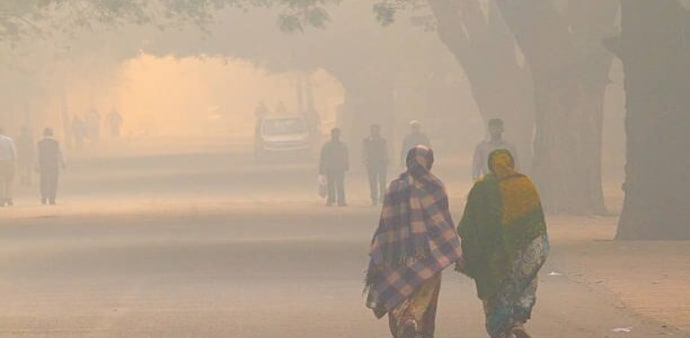
Delhi's air quality measures will now take effect at lower pollution levels, as new guidelines move stricter restrictions to earlier stages under the Graded Response Action Plan (GRAP).
- Nov 26, 2025,
- Updated Nov 26, 2025 7:41 PM IST
The Supreme Court on Wednesday approved significant modifications to the Graded Response Action Plan (GRAP) for the National Capital Region, endorsing proposals by the Commission for Air Quality Management (CAQM) aimed at addressing Delhi’s ongoing winter pollution concerns. The key revisions mean more severe restrictions will be triggered at lower Air Quality Index (AQI) thresholds, affecting office operations, construction activities, and power supply rules across Delhi and its surrounding areas.
The CAQM has withdrawn the 11 November 2025 order placing Stage III restrictions on Delhi-NCR, effective immediately. However, restrictions under Stages I and II will be intensified in response to forecasted sustained ‘very poor’ air quality.
Under the revised plan, Stage 4 restrictions, previously applied when AQI exceeded 450, will now be enforced at Stage 3, starting at an AQI of 301–400. This requires public, municipal, and private offices to reduce staff attendance to 50%, while central government offices must operate on a work-from-home basis at these levels.
Similarly, measures from Stage 3 have been shifted to Stage 2, resulting in staggered government office timings being implemented when AQI enters the 201–300 range. This approach aims to slow the progression of air quality deterioration by acting earlier.
The guidelines for GRAP Stage I and Stage II remain unchanged, following the revised instructions issued on 21 November 2025. Authorities across the National Capital Region have been directed to enforce these rules strictly and maintain vigilance to prevent air quality from slipping into the ‘severe’ categories.
Although Stage III restrictions are temporarily revoked, winter continues to pose challenges due to persistent unfavourable weather conditions. The CAQM’s Sub-Committee will closely monitor air quality and review the situation in real time, with further decisions based on AQI levels and forecasts from the India Meteorological Department (IMD) and Indian Institute of Tropical Meteorology (IITM).
Despite the relaxation of some measures, construction and demolition sites previously issued closure notices will remain closed until they receive explicit permission to resume operations. In addition, actions under Stage 2 have now been advanced to Stage 1, resulting in uninterrupted power supply measures—aimed at reducing diesel generator use—being implemented earlier, at an AQI of 101–200.
The Supreme Court on Wednesday approved significant modifications to the Graded Response Action Plan (GRAP) for the National Capital Region, endorsing proposals by the Commission for Air Quality Management (CAQM) aimed at addressing Delhi’s ongoing winter pollution concerns. The key revisions mean more severe restrictions will be triggered at lower Air Quality Index (AQI) thresholds, affecting office operations, construction activities, and power supply rules across Delhi and its surrounding areas.
The CAQM has withdrawn the 11 November 2025 order placing Stage III restrictions on Delhi-NCR, effective immediately. However, restrictions under Stages I and II will be intensified in response to forecasted sustained ‘very poor’ air quality.
Under the revised plan, Stage 4 restrictions, previously applied when AQI exceeded 450, will now be enforced at Stage 3, starting at an AQI of 301–400. This requires public, municipal, and private offices to reduce staff attendance to 50%, while central government offices must operate on a work-from-home basis at these levels.
Similarly, measures from Stage 3 have been shifted to Stage 2, resulting in staggered government office timings being implemented when AQI enters the 201–300 range. This approach aims to slow the progression of air quality deterioration by acting earlier.
The guidelines for GRAP Stage I and Stage II remain unchanged, following the revised instructions issued on 21 November 2025. Authorities across the National Capital Region have been directed to enforce these rules strictly and maintain vigilance to prevent air quality from slipping into the ‘severe’ categories.
Although Stage III restrictions are temporarily revoked, winter continues to pose challenges due to persistent unfavourable weather conditions. The CAQM’s Sub-Committee will closely monitor air quality and review the situation in real time, with further decisions based on AQI levels and forecasts from the India Meteorological Department (IMD) and Indian Institute of Tropical Meteorology (IITM).
Despite the relaxation of some measures, construction and demolition sites previously issued closure notices will remain closed until they receive explicit permission to resume operations. In addition, actions under Stage 2 have now been advanced to Stage 1, resulting in uninterrupted power supply measures—aimed at reducing diesel generator use—being implemented earlier, at an AQI of 101–200.