
Delhi CJP protest: '₹1.5 lakh loss per shop in a day', says Khan Market traders body
Sanjiv Mehra, president of the Khan Market Traders Association, also drew attention to the financial burden that closures impose on businesses, particularly in premium commercial locations where operational expenses remain high regardless of whether shops are open
- Oct 10, 2026,
- Updated Oct 10, 2026 10:24 PM IST
Traders in Delhi’s Khan Market have decided to keep their shops closed amid the protest organised by the Cockroach Janta Party (CJP) in the national capital, citing concerns over potential damage to commercial establishments and mounting financial losses.
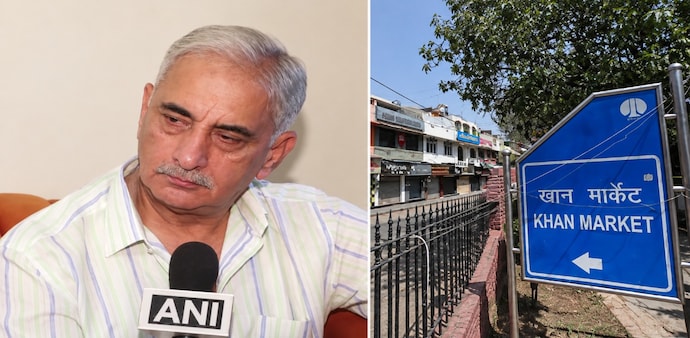
Sanjiv Mehra, president of the Khan Market Traders Association, said the decision to shut shops was taken as a precautionary measure amid concerns about protesters gathering near commercial areas. He urged political parties to reconsider their approach to demonstrations and ensure that protests do not disrupt busy marketplaces.
“We decided ourselves to keep it shut,” Mehra said, explaining the traders’ decision to suspend business during the protest.
READ THIS: 'Our GenZ deserves better than an undeclared emer-GenZ': Shashi Tharoor slams Delhi restrictions
Speaking to news agency ANI, Mehra highlighted the vulnerability of markets when demonstrations take place in their vicinity. “Khan Market is among the first markets affected when protesters are stopped nearby, raising fears of damage to shops and property,” he said.
The traders’ association president also drew attention to the financial burden that closures impose on businesses, particularly in premium commercial locations where operational expenses remain high regardless of whether shops are open.
“Businesses in markets such as Khan Market, Connaught Place and South Extension face high costs, including rent and salaries, even when shops remain closed,” Mehra said.
According to him, a single day of closure can result in substantial losses for individual establishments. “A single day's closure can cause losses of Rs 1-1.5 lakh per shop,” he said, underlining the economic consequences of shutting commercial outlets during protests.
Mehra added that businesses selling perishable goods face additional challenges, as products such as fruits and groceries can deteriorate or go to waste when shops remain closed. Such losses add to the financial pressure on traders already dealing with fixed expenses and disruptions to regular business activity.
The Khan Market shutdown highlights the wider impact of demonstrations on Delhi’s commercial establishments, where even temporary disruptions can affect sales, customer movement and daily operations.
Calling for a balance between the right to protest and the need to protect commercial activity, Mehra appealed to political parties to ensure that demonstrations remain peaceful and do not interfere with the functioning of markets.
“I urge political parties to review their approach and hold peaceful protests away from busy commercial areas,” he said.
The traders’ concerns come amid heightened activity surrounding the CJP protest in Delhi, with businesses in affected areas weighing precautionary closures against the financial costs of suspending operations.
Traders in Delhi’s Khan Market have decided to keep their shops closed amid the protest organised by the Cockroach Janta Party (CJP) in the national capital, citing concerns over potential damage to commercial establishments and mounting financial losses.
Sanjiv Mehra, president of the Khan Market Traders Association, said the decision to shut shops was taken as a precautionary measure amid concerns about protesters gathering near commercial areas. He urged political parties to reconsider their approach to demonstrations and ensure that protests do not disrupt busy marketplaces.
“We decided ourselves to keep it shut,” Mehra said, explaining the traders’ decision to suspend business during the protest.
READ THIS: 'Our GenZ deserves better than an undeclared emer-GenZ': Shashi Tharoor slams Delhi restrictions
Speaking to news agency ANI, Mehra highlighted the vulnerability of markets when demonstrations take place in their vicinity. “Khan Market is among the first markets affected when protesters are stopped nearby, raising fears of damage to shops and property,” he said.
The traders’ association president also drew attention to the financial burden that closures impose on businesses, particularly in premium commercial locations where operational expenses remain high regardless of whether shops are open.
“Businesses in markets such as Khan Market, Connaught Place and South Extension face high costs, including rent and salaries, even when shops remain closed,” Mehra said.
According to him, a single day of closure can result in substantial losses for individual establishments. “A single day's closure can cause losses of Rs 1-1.5 lakh per shop,” he said, underlining the economic consequences of shutting commercial outlets during protests.
Mehra added that businesses selling perishable goods face additional challenges, as products such as fruits and groceries can deteriorate or go to waste when shops remain closed. Such losses add to the financial pressure on traders already dealing with fixed expenses and disruptions to regular business activity.
The Khan Market shutdown highlights the wider impact of demonstrations on Delhi’s commercial establishments, where even temporary disruptions can affect sales, customer movement and daily operations.
Calling for a balance between the right to protest and the need to protect commercial activity, Mehra appealed to political parties to ensure that demonstrations remain peaceful and do not interfere with the functioning of markets.
“I urge political parties to review their approach and hold peaceful protests away from busy commercial areas,” he said.
The traders’ concerns come amid heightened activity surrounding the CJP protest in Delhi, with businesses in affected areas weighing precautionary closures against the financial costs of suspending operations.