
Dussehra 2026: The story behind Ravana worship in Greater Noida’s Bisrakh village
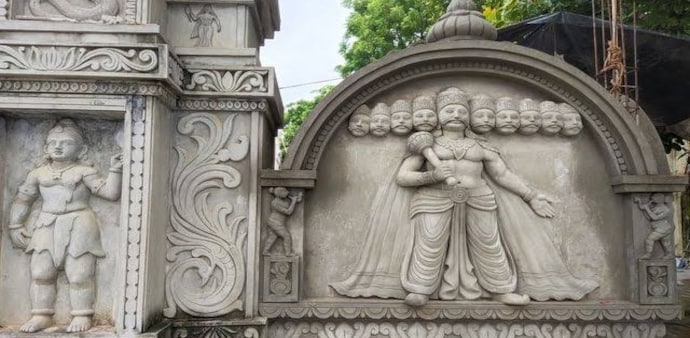
Ravana is revered by certain Brahmin communities in India, particularly those that emphasise his identity as a learned Brahmin, scholar and devotee of Lord Shiva
- Oct 20, 2026,
- Updated Oct 20, 2026 1:34 PM IST
While Dussehra is celebrated across India by burning Ravana’s effigies to mark Lord Rama’s victory over the demon king of Lanka, Bisrakh village in Greater Noida follows a different tradition. Residents refrain from burning his effigy and instead observe the occasion through prayers and religious rituals, reflecting the village’s longstanding beliefs and cultural identity.
Located in Uttar Pradesh’s Gautam Buddh Nagar district, Bisrakh is traditionally associated with Ravana’s birthplace. According to local beliefs, Ravana was born here to sage Vishrava, after whom the village is believed to have been named. This association forms the basis of its distinctive Dussehra celebrations.
Why does Bisrakh worship Ravana?
Across much of India, Dussehra, also known as Vijayadashami, is marked by burning the effigies of Ravana, Meghnad and Kumbhkaran. The ritual symbolises the victory of good over evil and commemorates Lord Rama’s triumph over Ravana, as narrated in the Ramayana.
In Bisrakh, however, the festival takes a different form. Residents regard Ravana as part of their religious heritage and follow customs that distinguish their celebrations from those elsewhere in the country. Devotees offer prayers to Lord Shiva and perform rituals seeking peace for Ravana’s soul.
These practices reflect the community’s interpretation of Ravana’s place in Hindu traditions. While the Ramayana portrays him as the king of Lanka who abducted Sita, other accounts also describe him as a learned scholar, a devotee of Lord Shiva and a figure associated with extensive knowledge of religious texts.
ALSO READ: 221-foot Ravana in Delhi: ₹40 lakh, 7 tonnes of iron, 120 artisans behind giant effigy
Why do some Brahmin communities worship Ravana?
Ravana is revered by certain Brahmin communities in India, particularly those that emphasise his identity as a learned Brahmin, scholar and devotee of Lord Shiva. According to the Ramayana tradition, he was the son of sage Vishrava and is associated with knowledge of the Vedas, astrology and music.
In some regions, communities observe rituals in his honour and refrain from burning his effigy during Dussehra. Their reverence often centres on his scholarship, spiritual devotion and religious lineage. However, these practices are not universal among Brahmins, and beliefs and customs differ across communities and regions.
Ravana’s character occupies a complex place in Hindu traditions. Although he is remembered for abducting Sita and ultimately being defeated by Lord Rama, his reputation as a scholar and Shiva devotee also features in religious narratives. These differing interpretations help explain why some communities remember him through worship rather than solely as a symbol of evil.