
Explained: How Lok Sabha Speaker can be removed; rules, notice and majority required
The Speaker's term is coterminous with the term of the Lok Sabha - five years. However, the Lower House has the authority to remove the Speaker if required
- Feb 9, 2026,
- Updated Feb 9, 2026 4:06 PM IST
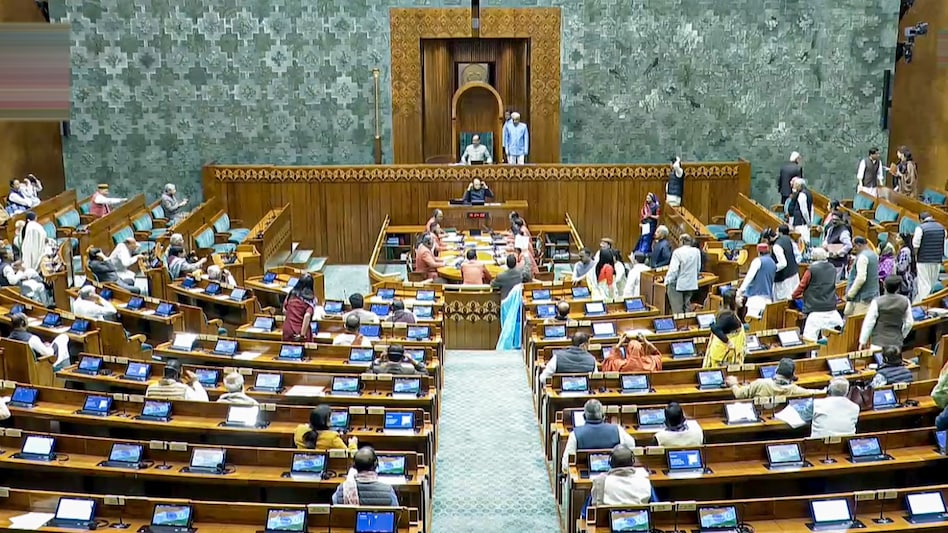
Opposition MPs are preparing to move a resolution to remove Lok Sabha Speaker Om Birla, alleging that he made defamatory allegations against them after the cancellation of Prime Minister Narendra Modi's scheduled speech in the House. Sources told India Today that the resolution is likely to be submitted shortly to the Lok Sabha Secretary General.
The move follows last Thursday's adjournment of the Lok Sabha minutes before Prime Minister Modi's scheduled address, amid protests and sloganeering. Opposition MPs, mainly from the Congress, later sought action against Birla, alleging that he made defamatory remarks against them.
What the Constitution says
Under the Constitution, the Speaker or Deputy Speaker of the Lok Sabha may be removed from office by a resolution passed by a majority of all the then members of the House, provided that at least 14 days' prior notice of the intention to move the resolution is given.
The Speaker's term is coterminous with the term of the Lok Sabha - five years. However, the Lower House has the authority to remove the Speaker if required.
The House can remove the Speaker through a resolution passed by a majority of all the then members of the House - that is, more than 50 per cent of its effective strength - as provided under Articles 94 and 96 of the Constitution.
The Speaker can also be removed if he or she is disqualified from being a Lok Sabha member under Sections 7 and 8 of the Representation of the People Act, 1951. Additionally, the Speaker may tender his resignation to the Deputy Speaker.
Dr Neelam Sanjiva Reddy remains the only Speaker to have resigned from office. He also has the distinction of being the only Speaker who was later elected President of India.
How the process unfolds
PDT Achary, former Lok Sabha Secretary General, had earlier explained the procedure in detail. He said there is a provision in the rules for a no-confidence motion, which is to be given notice of 14 days before by any member, and then the charges will have to be specified.
"So that will be admitted, and then it will be discussed. So when a no-confidence motion against the speaker is discussed, the speaker will not occupy the chair. He will come and sit in the house because he has a right to defend himself. This is a very rare occasion when the speaker speaks in the house. And if the motion is adopted, the speaker goes."
Opposition MPs are preparing to move a resolution to remove Lok Sabha Speaker Om Birla, alleging that he made defamatory allegations against them after the cancellation of Prime Minister Narendra Modi's scheduled speech in the House. Sources told India Today that the resolution is likely to be submitted shortly to the Lok Sabha Secretary General.
The move follows last Thursday's adjournment of the Lok Sabha minutes before Prime Minister Modi's scheduled address, amid protests and sloganeering. Opposition MPs, mainly from the Congress, later sought action against Birla, alleging that he made defamatory remarks against them.
What the Constitution says
Under the Constitution, the Speaker or Deputy Speaker of the Lok Sabha may be removed from office by a resolution passed by a majority of all the then members of the House, provided that at least 14 days' prior notice of the intention to move the resolution is given.
The Speaker's term is coterminous with the term of the Lok Sabha - five years. However, the Lower House has the authority to remove the Speaker if required.
The House can remove the Speaker through a resolution passed by a majority of all the then members of the House - that is, more than 50 per cent of its effective strength - as provided under Articles 94 and 96 of the Constitution.
The Speaker can also be removed if he or she is disqualified from being a Lok Sabha member under Sections 7 and 8 of the Representation of the People Act, 1951. Additionally, the Speaker may tender his resignation to the Deputy Speaker.
Dr Neelam Sanjiva Reddy remains the only Speaker to have resigned from office. He also has the distinction of being the only Speaker who was later elected President of India.
How the process unfolds
PDT Achary, former Lok Sabha Secretary General, had earlier explained the procedure in detail. He said there is a provision in the rules for a no-confidence motion, which is to be given notice of 14 days before by any member, and then the charges will have to be specified.
"So that will be admitted, and then it will be discussed. So when a no-confidence motion against the speaker is discussed, the speaker will not occupy the chair. He will come and sit in the house because he has a right to defend himself. This is a very rare occasion when the speaker speaks in the house. And if the motion is adopted, the speaker goes."