
FASTag earns govt ₹7,000 crore more: Toll booths to go barrier-free by 2027, Nitin Gadkari says
He framed the move as part of a broader shift to “intelligent highways” and a digital mobility ecosystem, where tolling becomes seamless, transparent
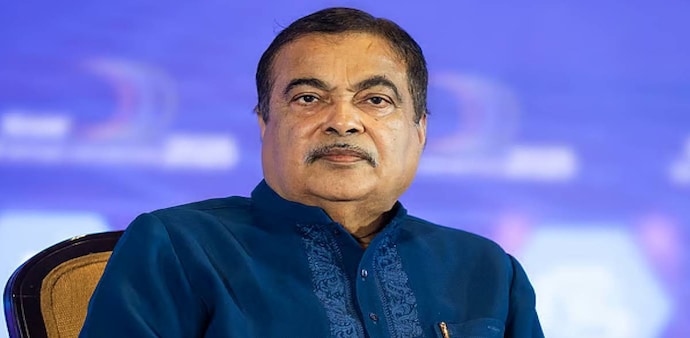
- Sep 15, 2026,
- Updated Sep 15, 2026 2:58 PM IST
Union Road Transport and Highways Minister Nitin Gadkari has said the adoption of FASTag has already boosted India’s toll collections by about 10%, adding roughly ₹7,000 crore to government revenues.
Speaking at the Global Fintech Fest 2026 in Mumbai, Gadkari noted that total toll booth revenue has crossed ₹82,000 crore, up from levels before widespread electronic tolling. “FASTags have helped increase the toll booth income by 10 per cent or about ₹7,000 crore to over ₹82,000 crore now,” he said.
The minister attributed the jump to reduced leakage, faster processing and higher compliance after FASTag was made mandatory in 2021, with penetration now above 98% at national highway toll plazas and over 13 crore tags issued.
MUST READ: 'Licence will get suspended or even cancelled': Nitin Gadkari warns repeat traffic offenders
Barrier-free tolling by 2027
Gadkari also outlined the next phase: making all toll booths on national highways barrier-free by March 2027 through Multi-Lane Free Flow (MLFF) systems that combine FASTag with automatic number plate recognition (ANPR).
“When the system will go fully live, then our department alone would deliver a benefit of ₹20,000–25,000 crore per year to the Government of India because of the use of FASTags,” Gadkari said at the event.
The barrier-free model, currently being piloted, is expected to lift collections by another 10%, or an additional ₹7,000–8,000 crore annually, while sharply cutting waiting times that previously averaged around 12 minutes at plazas.
Lower operating costs, higher efficiency
Alongside higher revenues, the digital push is reducing the cost of running toll operations. Gadkari said the current operational cost of toll collection is around 12–15%, but technology-driven systems could bring this down to 2–4%, generating a further benefit of roughly ₹6,000–7,000 crore.
He framed the move as part of a broader shift to “intelligent highways” and a digital mobility ecosystem, where tolling becomes seamless, transparent and tightly integrated with other transport and fintech platforms.
DO CHECKOUT: Gadkari Says India’s Future Highways Will Be Digital, Intelligent And Financially Connected
With FASTag already delivering a ₹7,000 crore uplift and barrier-free tolling poised to add similar gains, the government sees the programme as a major lever to fund highway expansion and maintenance while improving the commuter experience.
Union Road Transport and Highways Minister Nitin Gadkari has said the adoption of FASTag has already boosted India’s toll collections by about 10%, adding roughly ₹7,000 crore to government revenues.
Speaking at the Global Fintech Fest 2026 in Mumbai, Gadkari noted that total toll booth revenue has crossed ₹82,000 crore, up from levels before widespread electronic tolling. “FASTags have helped increase the toll booth income by 10 per cent or about ₹7,000 crore to over ₹82,000 crore now,” he said.
The minister attributed the jump to reduced leakage, faster processing and higher compliance after FASTag was made mandatory in 2021, with penetration now above 98% at national highway toll plazas and over 13 crore tags issued.
MUST READ: 'Licence will get suspended or even cancelled': Nitin Gadkari warns repeat traffic offenders
Barrier-free tolling by 2027
Gadkari also outlined the next phase: making all toll booths on national highways barrier-free by March 2027 through Multi-Lane Free Flow (MLFF) systems that combine FASTag with automatic number plate recognition (ANPR).
“When the system will go fully live, then our department alone would deliver a benefit of ₹20,000–25,000 crore per year to the Government of India because of the use of FASTags,” Gadkari said at the event.
The barrier-free model, currently being piloted, is expected to lift collections by another 10%, or an additional ₹7,000–8,000 crore annually, while sharply cutting waiting times that previously averaged around 12 minutes at plazas.
Lower operating costs, higher efficiency
Alongside higher revenues, the digital push is reducing the cost of running toll operations. Gadkari said the current operational cost of toll collection is around 12–15%, but technology-driven systems could bring this down to 2–4%, generating a further benefit of roughly ₹6,000–7,000 crore.
He framed the move as part of a broader shift to “intelligent highways” and a digital mobility ecosystem, where tolling becomes seamless, transparent and tightly integrated with other transport and fintech platforms.
DO CHECKOUT: Gadkari Says India’s Future Highways Will Be Digital, Intelligent And Financially Connected
With FASTag already delivering a ₹7,000 crore uplift and barrier-free tolling poised to add similar gains, the government sees the programme as a major lever to fund highway expansion and maintenance while improving the commuter experience.