
Govt may delink Census from delimitation, increase state seats 50% uniformly
The government is also learnt to be exploring a formula that would retain the existing inter-state share of parliamentary seats based on the 1971 Census.
- Nov 27, 2026,
- Updated Nov 27, 2026 1:10 PM IST
The government is considering delinking the delimitation exercise from the Census, alongside a 50% increase in Lok Sabha seats across all states, as it looks to revive its push for women's reservation legislation, sources said.
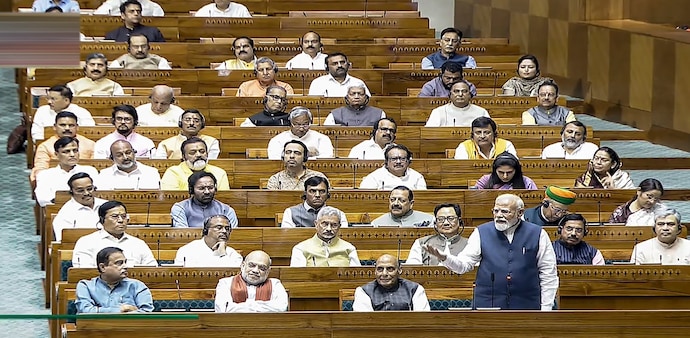
The proposals could be discussed at the Union Cabinet meeting scheduled for Friday, ahead of a special sitting of Parliament from November 30 to December 3. No final decision has been taken yet.
The government is also learnt to be exploring a formula that would retain the existing inter-state share of parliamentary seats based on the 1971 Census, addressing concerns, particularly among southern states, over the implications of delimitation.
MUST READ | BT Explainer | What is Delimitation Bill? How will it reshape the future of parliament?
The proposed changes come amid renewed efforts to push the Constitution (131st Amendment) Bill, 2026, which seeks to link the implementation of 33% reservation for women in legislatures with delimitation. The legislation was defeated in April after the government failed to secure the required two-thirds majority in the Lok Sabha.
The Bill also seeks to expand the strength of the Lok Sabha from the existing 543 seats to a maximum of 850 through delimitation, paving the way for women's reservation ahead of the 2029 general elections.
The government had needed 361 votes to pass the constitutional amendment. The ruling NDA, with around 320 MPs, fell short of the threshold.
Its position has since improved, with 26 MPs moving out of the opposition camp. Twenty rebel Trinamool Congress MPs merged with the Nationalist Citizens Party of India (NCPI), pledging support to the NDA, while six Shiv Sena (UBT) MPs joined the Eknath Shinde-led Shiv Sena. However, the government would still need additional support, with the DMK's 22 MPs and NCP (Sharadchandra Pawar)'s eight MPs potentially playing a significant role.
The special sitting will see the Lok Sabha reconvene on November 30 and the Rajya Sabha on December 2, with proceedings scheduled to conclude on December 3.
The government is also likely to face opposition protests over alleged Special Intensive Revision (SIR) irregularities and demands for Chief Election Commissioner Gyanesh Kumar's resignation, potentially complicating the passage of legislation.