
All about Gyanesh Kumar, the Chief Election Commissioner at the centre of the SIR row
Here’s a look at who Gyanesh Kumar is, what the objections are about, and where things currently stand.
- Oct 13, 2026,
- Updated Oct 13, 2026 3:31 PM IST
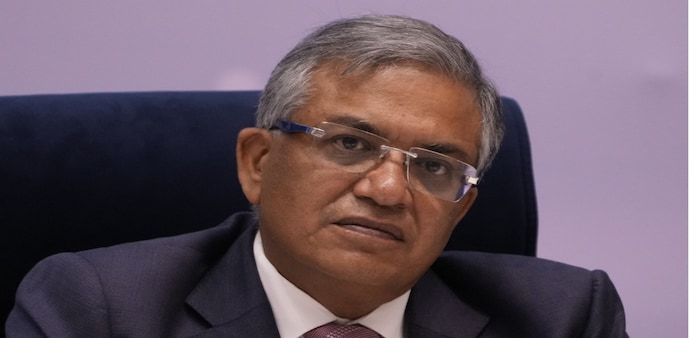
Gyanesh Kumar is the Chief Election Commissioner at the centre of a reported dispute within the Election Commission. Fellow Election Commissioners have reportedly formally objected at least 14 times over the past year to decisions they say were taken without their knowledge.
The controversy comes alongside criticism of the Special Intensive Revision (SIR), an exercise to update electoral rolls that the Opposition has questioned over transparency and its potential impact on voters.
Kumar, a 1988-batch IAS officer who took charge as CEC in February 2025, has defended the process as lawful and in line with Election Commission procedures. The Election Commission has said internal differences among commissioners are part of normal institutional deliberation. Here’s a look at who Gyanesh Kumar is, what the objections are about, and where things currently stand.
Why Gyanesh Kumar is at the centre of SIR controversy?
In late September 2026, Indian Express reported on the differences between the three-member Election Commission, placing Gyanesh Kumar's leadership under scrutiny. Election Commissioners Sukhbir Singh Sandhu and Vivek Joshi reportedly objected on record around 14 times over 10 months to decisions and orders they said were taken without their knowledge.
Their objections reportedly concerned the SIR of electoral rolls, changes to voter registration Form 6, and the handling and control of electoral roll data. Opposition parties, including the Congress, have alleged that eligible voters are being excluded and the process favoured the ruling BJP.
Not only did the poll body deny these allegations, Kumar also challenged Rahul Gandhi to substantiate his allegations of vote theft or apologise. After criticism over the deletion of around 13 crore voters, the ECI ordered a special enrolment drive for voters left out during the SIR process.
Gyanesh Kumar educational qualifications
Born in 1964, he received his schooling in Gorakhpur, Lucknow and Kanpur. He topped the UP Board exams in high school in 1979 and intermediate in 1981. He graduated from IIT Kanpur with a Bachelor of Technology degree in Civil Engineering in 1985.
Later, he studied Business Finance at the Institute of Chartered Financial Analysts of India (ICFAI) and Environmental Economics at Harvard University's Harvard Institute for International Development. In November 2025, IIT Kanpur conferred its Distinguished Alumni Award on him.
Gyanesh Kumar salary, perks, assets
Gyanesh Kumar's basic salary is ₹2.5 lakh per month, equivalent to that of a Cabinet Secretary or a Supreme Court judge. Besides this, he receives a monthly allowance of ₹34,000.
Other benefits include an official government residence, cars with chauffeurs, security cover, subsidised utilities, medical facilities and post-retirement pension benefits. The CEC is also entitled to leave travel concessions for himself, his spouse and dependent family members.
Gyanesh Kumar key govt assignments
Kumar, a 1988-batch IAS officer of the Kerala cadre, has held senior positions in the Kerala and Union governments before becoming the CEC in 2025. He was involved in the Centre's work related to the abrogation of Article 370 in August 2019, ending Jammu and Kashmir's special constitutional status.
He was entrusted with work on the Jammu and Kashmir Reorganisation Bill, 2019, providing for the division of the erstwhile state into two Union territories - Jammu and Kashmir and Ladakh. Kumar also held responsibilities relating to Ladakh and Jammu and Kashmir during the transition following the government's decision.
Besides this, Gyanesh Kumar was also involved in the establishment of the Shri Ram Janmabhoomi Teerth Kshetra Trust. The trust was formed after the Supreme Court's November 2019 verdict in the Ayodhya title dispute. In February 2020, the Centre announced the creation of the trust to oversee the construction and management of the Ram temple in Ayodhya.
Gyanesh Kumar family
His family has deep roots in education and service. His father, the late Dr Subodh Kumar, retired as the Chief Medical Officer (CMO) and Chief Medical Superintendent of the Uttar Pradesh Health Department. His mother, Satyavati Gupta, was involved in yoga and spirituality.
His daughter Medha Roopam is an IAS officer of the 2014 batch from the Uttar Pradesh cadre. Roopam is the District Magistrate of Gautam Buddh Nagar at present. His son-in-law Manish Bansal is also an IAS officer of the 2014 batch.
His another daughter Abhishri is an IRS officer and is married to Akshay Labroo, who is also an IAS officer. His brother-in-law Manish Kumar is an IRS officer whereas his another brother-in-law Upendra Jain is a former IPS officer.
As per media reports, his extended family includes approximately 28 doctors.
Gyanesh Kumar is the Chief Election Commissioner at the centre of a reported dispute within the Election Commission. Fellow Election Commissioners have reportedly formally objected at least 14 times over the past year to decisions they say were taken without their knowledge.
The controversy comes alongside criticism of the Special Intensive Revision (SIR), an exercise to update electoral rolls that the Opposition has questioned over transparency and its potential impact on voters.
Kumar, a 1988-batch IAS officer who took charge as CEC in February 2025, has defended the process as lawful and in line with Election Commission procedures. The Election Commission has said internal differences among commissioners are part of normal institutional deliberation. Here’s a look at who Gyanesh Kumar is, what the objections are about, and where things currently stand.
Why Gyanesh Kumar is at the centre of SIR controversy?
In late September 2026, Indian Express reported on the differences between the three-member Election Commission, placing Gyanesh Kumar's leadership under scrutiny. Election Commissioners Sukhbir Singh Sandhu and Vivek Joshi reportedly objected on record around 14 times over 10 months to decisions and orders they said were taken without their knowledge.
Their objections reportedly concerned the SIR of electoral rolls, changes to voter registration Form 6, and the handling and control of electoral roll data. Opposition parties, including the Congress, have alleged that eligible voters are being excluded and the process favoured the ruling BJP.
Not only did the poll body deny these allegations, Kumar also challenged Rahul Gandhi to substantiate his allegations of vote theft or apologise. After criticism over the deletion of around 13 crore voters, the ECI ordered a special enrolment drive for voters left out during the SIR process.
Gyanesh Kumar educational qualifications
Born in 1964, he received his schooling in Gorakhpur, Lucknow and Kanpur. He topped the UP Board exams in high school in 1979 and intermediate in 1981. He graduated from IIT Kanpur with a Bachelor of Technology degree in Civil Engineering in 1985.
Later, he studied Business Finance at the Institute of Chartered Financial Analysts of India (ICFAI) and Environmental Economics at Harvard University's Harvard Institute for International Development. In November 2025, IIT Kanpur conferred its Distinguished Alumni Award on him.
Gyanesh Kumar salary, perks, assets
Gyanesh Kumar's basic salary is ₹2.5 lakh per month, equivalent to that of a Cabinet Secretary or a Supreme Court judge. Besides this, he receives a monthly allowance of ₹34,000.
Other benefits include an official government residence, cars with chauffeurs, security cover, subsidised utilities, medical facilities and post-retirement pension benefits. The CEC is also entitled to leave travel concessions for himself, his spouse and dependent family members.
Gyanesh Kumar key govt assignments
Kumar, a 1988-batch IAS officer of the Kerala cadre, has held senior positions in the Kerala and Union governments before becoming the CEC in 2025. He was involved in the Centre's work related to the abrogation of Article 370 in August 2019, ending Jammu and Kashmir's special constitutional status.
He was entrusted with work on the Jammu and Kashmir Reorganisation Bill, 2019, providing for the division of the erstwhile state into two Union territories - Jammu and Kashmir and Ladakh. Kumar also held responsibilities relating to Ladakh and Jammu and Kashmir during the transition following the government's decision.
Besides this, Gyanesh Kumar was also involved in the establishment of the Shri Ram Janmabhoomi Teerth Kshetra Trust. The trust was formed after the Supreme Court's November 2019 verdict in the Ayodhya title dispute. In February 2020, the Centre announced the creation of the trust to oversee the construction and management of the Ram temple in Ayodhya.
Gyanesh Kumar family
His family has deep roots in education and service. His father, the late Dr Subodh Kumar, retired as the Chief Medical Officer (CMO) and Chief Medical Superintendent of the Uttar Pradesh Health Department. His mother, Satyavati Gupta, was involved in yoga and spirituality.
His daughter Medha Roopam is an IAS officer of the 2014 batch from the Uttar Pradesh cadre. Roopam is the District Magistrate of Gautam Buddh Nagar at present. His son-in-law Manish Bansal is also an IAS officer of the 2014 batch.
His another daughter Abhishri is an IRS officer and is married to Akshay Labroo, who is also an IAS officer. His brother-in-law Manish Kumar is an IRS officer whereas his another brother-in-law Upendra Jain is a former IPS officer.
As per media reports, his extended family includes approximately 28 doctors.