
Hours before Red Fort blast in Delhi, a white i20 waited: Was it panic, plan, or something worse?
At the center of the plot is Dr. Umar Mohammad, a fugitive linked to a Faridabad-based module. He’s suspected to have been inside the i20 when it exploded. DNA tests are underway on a body recovered from the wreckage to confirm his identity.
- Nov 11, 2025,
- Updated Nov 11, 2025 7:06 AM IST
Was it a last-minute strike born of panic? Investigators probing the Red Fort car blast that killed eight and injured dozens now suspect the explosion was a fidayeen-style attack, hastily executed by a wanted terror operative — using a Hyundai i20 packed with explosives, India Today has reported.
The explosion near Gate No. 1 of the Red Fort Metro Station around 6:52 p.m. Monday has triggered a full-scale terror probe. According to India Today, intelligence sources believe the attack was not just premeditated but possibly rushed, after a key member of the terror network was arrested days earlier with a 2,900 kg cache of explosives.
At the center of the plot is Dr. Umar Mohammad, a fugitive linked to a Faridabad-based module. He’s suspected to have been inside the i20 when it exploded. DNA tests are underway on a body recovered from the wreckage to confirm his identity.
The car’s trail runs from Gurugram to Pulwama. First owned by Mohd Salman, it passed through multiple hands, including a used car dealer in Faridabad, before landing with Tariq, a Pulwama resident now in custody. Investigators believe Tariq handed it to Umar, completing a transaction chain now under deep scrutiny.
The bombing, officials say, bore the hallmarks of a suicide mission.
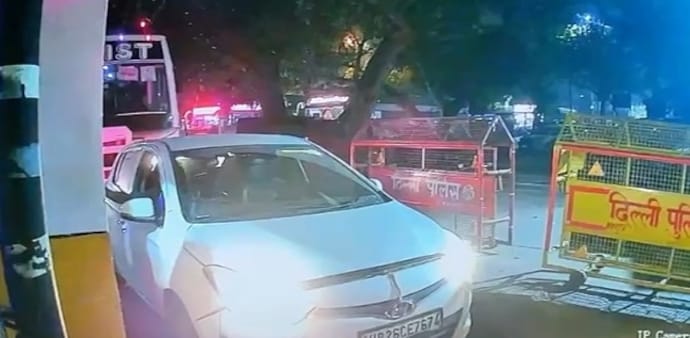
The i20 had been parked near the Red Fort for over three hours before it detonated, engulfing nearby vehicles in flames and throwing the area into chaos. Eyewitnesses reported the blast knocked out street lights and sent fireballs several feet into the air.
The timing has raised red flags. The blast came just hours after security agencies busted an interstate terror network, seizing ammonium nitrate and uncovering plans to plant IEDs across Delhi. Sources suggest Umar may have launched the strike fearing that the arrest of co-conspirator Dr. Muzzamil Shakeel would unravel the entire operation.
Forensic teams and the NSG are analyzing chemical traces from the blast site, with early indications pointing to high-grade explosive compounds like TNT or nitrate-based materials.
Multiple agencies are now converging on the Faridabad-Pulwama-Delhi link that may have activated one of the most high-profile urban attacks in recent years.
Was it a last-minute strike born of panic? Investigators probing the Red Fort car blast that killed eight and injured dozens now suspect the explosion was a fidayeen-style attack, hastily executed by a wanted terror operative — using a Hyundai i20 packed with explosives, India Today has reported.
The explosion near Gate No. 1 of the Red Fort Metro Station around 6:52 p.m. Monday has triggered a full-scale terror probe. According to India Today, intelligence sources believe the attack was not just premeditated but possibly rushed, after a key member of the terror network was arrested days earlier with a 2,900 kg cache of explosives.
At the center of the plot is Dr. Umar Mohammad, a fugitive linked to a Faridabad-based module. He’s suspected to have been inside the i20 when it exploded. DNA tests are underway on a body recovered from the wreckage to confirm his identity.
The car’s trail runs from Gurugram to Pulwama. First owned by Mohd Salman, it passed through multiple hands, including a used car dealer in Faridabad, before landing with Tariq, a Pulwama resident now in custody. Investigators believe Tariq handed it to Umar, completing a transaction chain now under deep scrutiny.
The bombing, officials say, bore the hallmarks of a suicide mission.
The i20 had been parked near the Red Fort for over three hours before it detonated, engulfing nearby vehicles in flames and throwing the area into chaos. Eyewitnesses reported the blast knocked out street lights and sent fireballs several feet into the air.
The timing has raised red flags. The blast came just hours after security agencies busted an interstate terror network, seizing ammonium nitrate and uncovering plans to plant IEDs across Delhi. Sources suggest Umar may have launched the strike fearing that the arrest of co-conspirator Dr. Muzzamil Shakeel would unravel the entire operation.
Forensic teams and the NSG are analyzing chemical traces from the blast site, with early indications pointing to high-grade explosive compounds like TNT or nitrate-based materials.
Multiple agencies are now converging on the Faridabad-Pulwama-Delhi link that may have activated one of the most high-profile urban attacks in recent years.