
Ian Botham questions BCCI's financial dominance. Ex-CEA reminds him of $45 trillion loot from India
Subramanian accused Britain of profiting from centuries of colonial exploitation while objecting to India's success in modern cricket
- Jun 25, 2026,
- Updated Jun 25, 2026 4:39 PM IST
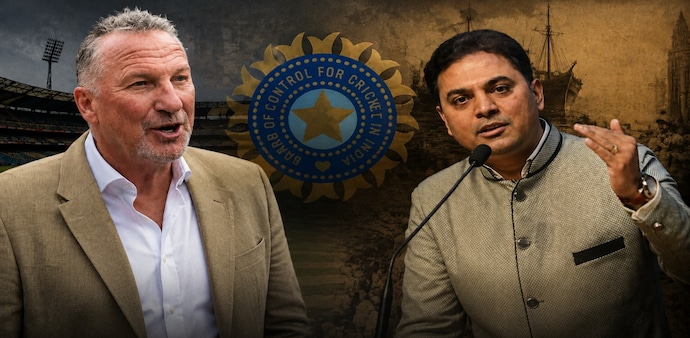
Former Chief Economic Adviser Krishnamurthy Subramanian on Thursday hit out at former England cricketer Ian Botham, who questioned India's financial dominance in world cricket and called for wealth to be distributed more fairly.
In a strongly worded post, Subramanian accused Britain of profiting from centuries of colonial exploitation while objecting to India's success in modern cricket.
"Ian Botham (no, I will not call him 'Sir') says India's financial dominance in cricket is a 'problem' and the wealth should be 'distributed more fairly'," Subramanian wrote on X.
Don't Miss: 'I built IPL, you got the limelight': IIT-IIM graduate Balu Nayar fires back at Lalit Modi
'Britain drained $45 trillion'
Subramanian argued that Britain's colonial rule over India left behind a long legacy of economic extraction. He said Britain ruled India for nearly 200 years and drained an estimated $45 trillion from the subcontinent.
"Engineered famines that killed millions. Systematically dismantled industries so Indian textiles couldn't compete with Lancashire mills. Extracted timber, cotton, opium, and indigo, and called it civilisation," he said.
The noted economist added that concerns about fairness were absent when wealth was flowing in the opposite direction. "Not once did Botham's Britain worry about 'fair distribution'," Subramanian said.
Must Read: 'His contribution to cricket is immense': Lalit Modi praises Jay Shah, but has one suggestion
'India built the IPL'
The former CEA said India's dominance in cricket revenues was the result of investments, audiences and innovation rather than extraction.
"India then rebuilt itself from near-zero. Created the IPL, which is the most valuable cricket property on the planet. Built the audiences, the passion, the broadcast revenues that turned cricket from a colonial gentleman's sport into a global business worth billions," he wrote. "Every rupee India earns in cricket was built. Not extracted. Built."
Subramanian, who was the youngest CEA and served from 2018 to 2021, argued that criticism emerged only after the financial centre of gravity in cricket shifted towards India.
"Now that the money flows toward India rather than away from it, this man is suddenly concerned about equity," he said.
'That's called the market'
Referring to concerns that players from other cricketing nations, particularly the West Indies, increasingly prioritise IPL contracts, Subramanian said such choices reflected market forces.
"And West Indies players choosing IPL contracts over Cricket West Indies? That's called the market. The same free market Britain championed for two centuries when it worked in Britain's favour," he wrote.
He went on to describe colonialism as "the greatest redistribution story in history", adding that it "just went the wrong way."
Subramanian rejected suggestions that India should dilute its financial influence in the sport. He said India doesn't owe cricket the world a rebate on its own success. "The hypocrisy isn't subtle. It isn't even dressed up well. It's just bare, brazen, and entirely unsurprised by itself."
Former Chief Economic Adviser Krishnamurthy Subramanian on Thursday hit out at former England cricketer Ian Botham, who questioned India's financial dominance in world cricket and called for wealth to be distributed more fairly.
In a strongly worded post, Subramanian accused Britain of profiting from centuries of colonial exploitation while objecting to India's success in modern cricket.
"Ian Botham (no, I will not call him 'Sir') says India's financial dominance in cricket is a 'problem' and the wealth should be 'distributed more fairly'," Subramanian wrote on X.
Don't Miss: 'I built IPL, you got the limelight': IIT-IIM graduate Balu Nayar fires back at Lalit Modi
'Britain drained $45 trillion'
Subramanian argued that Britain's colonial rule over India left behind a long legacy of economic extraction. He said Britain ruled India for nearly 200 years and drained an estimated $45 trillion from the subcontinent.
"Engineered famines that killed millions. Systematically dismantled industries so Indian textiles couldn't compete with Lancashire mills. Extracted timber, cotton, opium, and indigo, and called it civilisation," he said.
The noted economist added that concerns about fairness were absent when wealth was flowing in the opposite direction. "Not once did Botham's Britain worry about 'fair distribution'," Subramanian said.
Must Read: 'His contribution to cricket is immense': Lalit Modi praises Jay Shah, but has one suggestion
'India built the IPL'
The former CEA said India's dominance in cricket revenues was the result of investments, audiences and innovation rather than extraction.
"India then rebuilt itself from near-zero. Created the IPL, which is the most valuable cricket property on the planet. Built the audiences, the passion, the broadcast revenues that turned cricket from a colonial gentleman's sport into a global business worth billions," he wrote. "Every rupee India earns in cricket was built. Not extracted. Built."
Subramanian, who was the youngest CEA and served from 2018 to 2021, argued that criticism emerged only after the financial centre of gravity in cricket shifted towards India.
"Now that the money flows toward India rather than away from it, this man is suddenly concerned about equity," he said.
'That's called the market'
Referring to concerns that players from other cricketing nations, particularly the West Indies, increasingly prioritise IPL contracts, Subramanian said such choices reflected market forces.
"And West Indies players choosing IPL contracts over Cricket West Indies? That's called the market. The same free market Britain championed for two centuries when it worked in Britain's favour," he wrote.
He went on to describe colonialism as "the greatest redistribution story in history", adding that it "just went the wrong way."
Subramanian rejected suggestions that India should dilute its financial influence in the sport. He said India doesn't owe cricket the world a rebate on its own success. "The hypocrisy isn't subtle. It isn't even dressed up well. It's just bare, brazen, and entirely unsurprised by itself."