
India cannot act as 'dalal nation': Jaishankar tells all-party meeting amid West Asia crisis
The Opposition raised concerns about Pakistan’s role in mediating talks between the United States and Iran, sources told India Today.
- Mar 26, 2026,
- Updated Mar 26, 2026 8:48 AM IST
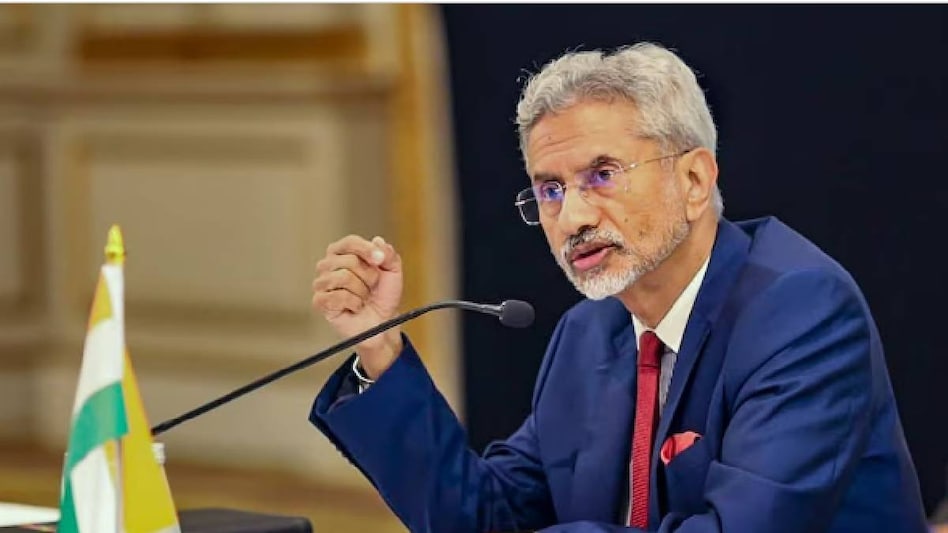
External Affairs Minister S Jaishankar stated at an all-party meeting on the West Asia crisis that India cannot act as a "dalal nation" in global geopolitics, with "dalal" meaning broker. The Opposition raised concerns about Pakistan’s role in mediating talks between the United States and Iran, sources told India Today.
The government responded that Pakistan’s role as a conduit was not new, having continued since 1981, with Washington using Islamabad as a channel to engage with Tehran over the years. Jaishankar is understood to have said there was "nothing new" in such mediation efforts, according to sources.
Prime Minister Narendra Modi conveyed to US President Donald Trump that the war in West Asia must end soon, as it is hurting all sides. The meeting, chaired by Defence Minister Rajnath Singh at Parliament, included senior ministers such as Home Minister Amit Shah, Finance Minister Nirmala Sitharaman, and Petroleum Minister Hardeep Singh Puri. Leaders from Congress, Samajwadi Party, JD(U), and CPI(M) were also present.
Pakistan has increased efforts to position itself as an intermediary in the conflict. Pakistan Prime Minister Shehbaz Sharif said Islamabad was "ready and honoured" to facilitate "meaningful and conclusive talks" between the US and Iran, and was willing to host negotiations for a comprehensive settlement, subject to both sides' consent.
Sharif’s statement followed reports that Pakistan, Egypt, and Turkiye were involved in backchannel efforts to broker peace. He also spoke to Iranian President Masoud Pezeshkian, expressing concern over escalating hostilities and calling for de-escalation.
US President Donald Trump supported Sharif’s remarks by sharing his post on Truth Social. Trump had earlier said Washington would pause threatened strikes on Iranian power plants for five days, citing "very good and productive conversations" with Tehran, though he did not name the interlocutor.
International reports indicate Pakistan has been relaying messages between Washington and Tehran. The Financial Times reported Pakistan’s military leadership contacted Trump, while CNN said US proposals were conveyed to Iran through Pakistani channels.
Pakistani intelligence reportedly delivered a US proposal to Tehran, with Foreign Minister Ishaq Dar following up with his Iranian counterpart Abbas Araqchi. Iran has acknowledged receiving the proposal and indicated talks could take place in Pakistan or Turkey, but no formal response or timeline has been announced.
Despite backchannel efforts, Iran has publicly denied any negotiations and taken a hardline stance against engaging with the Trump administration. Senior Iranian officials called US actions a "betrayal of diplomacy," and said their military remains focused on defending national sovereignty. Israel, led by Prime Minister Benjamin Netanyahu, has been briefed on the US proposal and remains sceptical about Iran accepting its terms.
The government rejected Opposition claims that India had been silent on the crisis, stating it was "commenting and responding" appropriately. It cited diplomatic outreach, including the Foreign Secretary’s visit to the Iranian embassy to sign the condolence book amid criticism over the timing of India’s response. Officials said the government’s primary concerns were the safety of the Indian diaspora in the Gulf and safeguarding energy supplies, both of which were being managed effectively.
Opposition leaders called the government’s responses "unsatisfactory" and demanded a full discussion in Parliament. Congress leader Tariq Anwar said Pakistan was playing mediator while India remained a "mute spectator," calling for debates in both Lok Sabha and Rajya Sabha.
External Affairs Minister S Jaishankar stated at an all-party meeting on the West Asia crisis that India cannot act as a "dalal nation" in global geopolitics, with "dalal" meaning broker. The Opposition raised concerns about Pakistan’s role in mediating talks between the United States and Iran, sources told India Today.
The government responded that Pakistan’s role as a conduit was not new, having continued since 1981, with Washington using Islamabad as a channel to engage with Tehran over the years. Jaishankar is understood to have said there was "nothing new" in such mediation efforts, according to sources.
Prime Minister Narendra Modi conveyed to US President Donald Trump that the war in West Asia must end soon, as it is hurting all sides. The meeting, chaired by Defence Minister Rajnath Singh at Parliament, included senior ministers such as Home Minister Amit Shah, Finance Minister Nirmala Sitharaman, and Petroleum Minister Hardeep Singh Puri. Leaders from Congress, Samajwadi Party, JD(U), and CPI(M) were also present.
Pakistan has increased efforts to position itself as an intermediary in the conflict. Pakistan Prime Minister Shehbaz Sharif said Islamabad was "ready and honoured" to facilitate "meaningful and conclusive talks" between the US and Iran, and was willing to host negotiations for a comprehensive settlement, subject to both sides' consent.
Sharif’s statement followed reports that Pakistan, Egypt, and Turkiye were involved in backchannel efforts to broker peace. He also spoke to Iranian President Masoud Pezeshkian, expressing concern over escalating hostilities and calling for de-escalation.
US President Donald Trump supported Sharif’s remarks by sharing his post on Truth Social. Trump had earlier said Washington would pause threatened strikes on Iranian power plants for five days, citing "very good and productive conversations" with Tehran, though he did not name the interlocutor.
International reports indicate Pakistan has been relaying messages between Washington and Tehran. The Financial Times reported Pakistan’s military leadership contacted Trump, while CNN said US proposals were conveyed to Iran through Pakistani channels.
Pakistani intelligence reportedly delivered a US proposal to Tehran, with Foreign Minister Ishaq Dar following up with his Iranian counterpart Abbas Araqchi. Iran has acknowledged receiving the proposal and indicated talks could take place in Pakistan or Turkey, but no formal response or timeline has been announced.
Despite backchannel efforts, Iran has publicly denied any negotiations and taken a hardline stance against engaging with the Trump administration. Senior Iranian officials called US actions a "betrayal of diplomacy," and said their military remains focused on defending national sovereignty. Israel, led by Prime Minister Benjamin Netanyahu, has been briefed on the US proposal and remains sceptical about Iran accepting its terms.
The government rejected Opposition claims that India had been silent on the crisis, stating it was "commenting and responding" appropriately. It cited diplomatic outreach, including the Foreign Secretary’s visit to the Iranian embassy to sign the condolence book amid criticism over the timing of India’s response. Officials said the government’s primary concerns were the safety of the Indian diaspora in the Gulf and safeguarding energy supplies, both of which were being managed effectively.
Opposition leaders called the government’s responses "unsatisfactory" and demanded a full discussion in Parliament. Congress leader Tariq Anwar said Pakistan was playing mediator while India remained a "mute spectator," calling for debates in both Lok Sabha and Rajya Sabha.