
India closely monitoring 23,000 seafarers amid rising tensions in Gulf
According to official data reviewed by Business Today, 36 Indian-flagged vessels were present in the Persian Gulf region as of 5 pm IST on March 3.
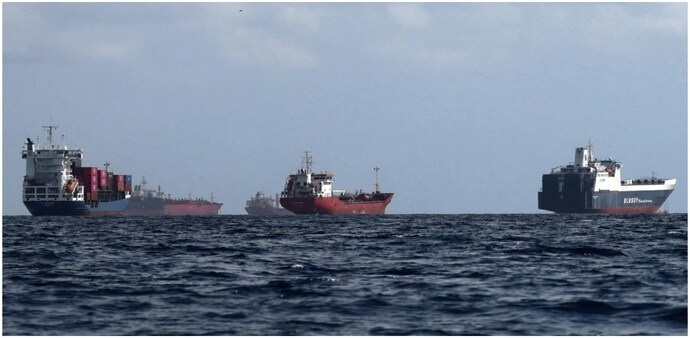
- Mar 5, 2026,
- Updated Mar 5, 2026 6:06 PM IST
India is keeping a close watch on the situation in the Persian Gulf region as tensions involving Iran escalate, with government agencies tracking the movement of Indian ships and the safety of nearly 23,000 Indian seafarers working across vessels and ports in the region.
According to official data reviewed by Business Today, 36 Indian-flagged vessels were present in the Persian Gulf region as of 5 pm IST on March 3.
Of these, 24 vessels were located west of the Strait of Hormuz, while 12 vessels were positioned east of the strait and in the Gulf of Oman.
In addition, two Indian-flagged vessels were operating in the Gulf of Aden, while no Indian ships were present in the Red Sea at the time of the assessment.
State-run Shipping Corporation of India (SCI) had seven vessels deployed in the Persian Gulf region.
Government agencies have also intensified monitoring of vessels operating in high-risk areas, reducing communication polling frequency from six hours to one hour to maintain closer tracking of ships.
Officials estimate that around 23,000 Indian seafarers are currently engaged across vessels, ports and transit locations in the Gulf region. Of these, 1,074 sailors are onboard Indian-flagged vessels, while the majority are employed on foreign-flagged merchant ships that regularly operate through the region.
The situation is being monitored by maritime authorities, with agencies coordinating to maintain real-time information on vessel movements and the status of Indian crew members.
The Strait of Hormuz, located between Iran and Oman, is one of the world’s most critical shipping chokepoints, handling a significant share of global oil trade.
India is keeping a close watch on the situation in the Persian Gulf region as tensions involving Iran escalate, with government agencies tracking the movement of Indian ships and the safety of nearly 23,000 Indian seafarers working across vessels and ports in the region.
According to official data reviewed by Business Today, 36 Indian-flagged vessels were present in the Persian Gulf region as of 5 pm IST on March 3.
Of these, 24 vessels were located west of the Strait of Hormuz, while 12 vessels were positioned east of the strait and in the Gulf of Oman.
In addition, two Indian-flagged vessels were operating in the Gulf of Aden, while no Indian ships were present in the Red Sea at the time of the assessment.
State-run Shipping Corporation of India (SCI) had seven vessels deployed in the Persian Gulf region.
Government agencies have also intensified monitoring of vessels operating in high-risk areas, reducing communication polling frequency from six hours to one hour to maintain closer tracking of ships.
Officials estimate that around 23,000 Indian seafarers are currently engaged across vessels, ports and transit locations in the Gulf region. Of these, 1,074 sailors are onboard Indian-flagged vessels, while the majority are employed on foreign-flagged merchant ships that regularly operate through the region.
The situation is being monitored by maritime authorities, with agencies coordinating to maintain real-time information on vessel movements and the status of Indian crew members.
The Strait of Hormuz, located between Iran and Oman, is one of the world’s most critical shipping chokepoints, handling a significant share of global oil trade.