
India’s car exports jump 16% to 8.63 lakh vehicles in 2025
Exports witnessed double-digit growth across vehicle segments in 2025.
- Jan 13, 2026,
- Updated Jan 13, 2026 8:42 PM IST
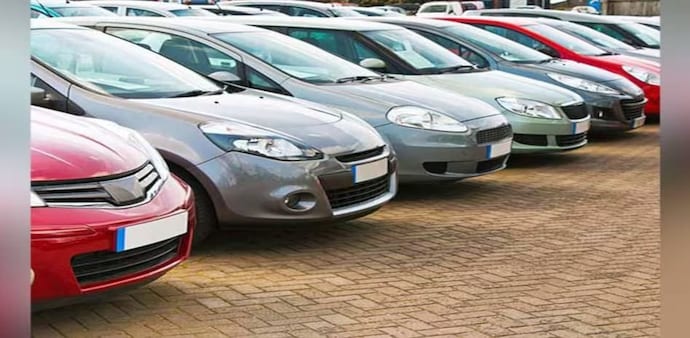
India’s passenger vehicle exports rose 16% on year to 8.63 lakh cars in the calendar year 2025, according to data released by the Society of Indian Automobile Manufacturers (SIAM).
Passenger vehicles witnessed the highest-ever exports of 2.25 lakh units in the third quarter of 2025-26, registering a growth of 11.7% over Q3 of 2024-25.
“The demand has been steady across most markets including in the Middle East, Africa and Latin America,” SIAM said in a press statement.
Exports witnessed double-digit growth across vehicle segments in 2025. Two-wheelers, too, recorded their highest-ever exports in the calendar year 2025. “During January-December 2025, 49 lakh units of two-wheelers were exported, which is the highest exports of calendar year period, with a growth of 24.2%, as compared to Jan-Dec 2024,” SIAM said.
In the December-ended quarter of 2025-26, 13 lakh two-wheelers were exported, registering a growth of 24.3% over Q3 of 2024-25.
“Overall, the growth in exports during the quarter was driven by a combination of improving macro-economic conditions in key markets of Africa, steady demand from South Asian markets and industry-wide recovery in motorcycle demand,” the industry body said.
In the domestic market, passenger vehicles clocked their highest-ever sales of a calendar year of 44.90 lakh units during 2025, posting a growth of 5% year-on-year, driven by the Q3 offtake.
“This robust performance was supported by improved affordability following the GST rate reduction, benefits from personal income tax relief, successive repo rate cuts by RBI easing financing costs, and a renewed sense of optimism among buyers, which together helped in boosting consumer demand in this festive quarter,” said SIAM.
The two-wheeler segment crossed the 20-million-mark sales with 2 crore units, clocking a growth of 4.9% on year, though it is still below the peak it had achieved in 2018.
“The implementation of GST 2.0 has improved affordability of two-wheelers and boosted household disposable income, enabling growth. The festive season this year was the strongest in recent years. Supportive macroeconomic measures including multiple reductions in repo rates and income tax relief in 2025 also provided the necessary traction for this segment,” the auto industry lobby said.
While two-wheeler volume growth has been observed across both urban and rural markets, the current trend has been led primarily by urban demand, which is also reflected in the stronger growth in scooters compared to motorcycles, the SIAM data shows.
Commercial vehicles grew 7.7% to 10.28 lakh units in 2025. “In addition to festive demand pull during Q3, the rollout of GST 2.0 reform has provided a significant boost to consumer sentiment and an increase in overall consumption levels which has led to increased freight activity in the economy. This has further enhanced the freight carrying intra-city logistics requirements, which is translating into higher demand,” says SIAM.
“2025 has been a landmark year for the Indian auto industry. The year began with a subdued first half, and the industry continued to navigate supply side challenges. With multiple structural policy reforms including the income tax relief, successive repo rate cuts and the rollout of GST 2.0 laid the foundation for a positive demand environment,” says Shailesh Chandra, President, SIAM.
“The reduction of GST rates made vehicles more affordable and injected fresh momentum into the sector. Growth during the year has been broad-based across segments, with Passenger Vehicles, Commercial Vehicles and Three-Wheelers recording their highest ever sales and Two-wheelers posting the 2nd highest sales ever, in a calendar-year,” adds Chandra.
“Looking ahead, the industry expects the positive momentum to continue well into 2026, supported by stable macro-economic conditions, improving affordability and continued policy support,” Chandra says.
India’s passenger vehicle exports rose 16% on year to 8.63 lakh cars in the calendar year 2025, according to data released by the Society of Indian Automobile Manufacturers (SIAM).
Passenger vehicles witnessed the highest-ever exports of 2.25 lakh units in the third quarter of 2025-26, registering a growth of 11.7% over Q3 of 2024-25.
“The demand has been steady across most markets including in the Middle East, Africa and Latin America,” SIAM said in a press statement.
Exports witnessed double-digit growth across vehicle segments in 2025. Two-wheelers, too, recorded their highest-ever exports in the calendar year 2025. “During January-December 2025, 49 lakh units of two-wheelers were exported, which is the highest exports of calendar year period, with a growth of 24.2%, as compared to Jan-Dec 2024,” SIAM said.
In the December-ended quarter of 2025-26, 13 lakh two-wheelers were exported, registering a growth of 24.3% over Q3 of 2024-25.
“Overall, the growth in exports during the quarter was driven by a combination of improving macro-economic conditions in key markets of Africa, steady demand from South Asian markets and industry-wide recovery in motorcycle demand,” the industry body said.
In the domestic market, passenger vehicles clocked their highest-ever sales of a calendar year of 44.90 lakh units during 2025, posting a growth of 5% year-on-year, driven by the Q3 offtake.
“This robust performance was supported by improved affordability following the GST rate reduction, benefits from personal income tax relief, successive repo rate cuts by RBI easing financing costs, and a renewed sense of optimism among buyers, which together helped in boosting consumer demand in this festive quarter,” said SIAM.
The two-wheeler segment crossed the 20-million-mark sales with 2 crore units, clocking a growth of 4.9% on year, though it is still below the peak it had achieved in 2018.
“The implementation of GST 2.0 has improved affordability of two-wheelers and boosted household disposable income, enabling growth. The festive season this year was the strongest in recent years. Supportive macroeconomic measures including multiple reductions in repo rates and income tax relief in 2025 also provided the necessary traction for this segment,” the auto industry lobby said.
While two-wheeler volume growth has been observed across both urban and rural markets, the current trend has been led primarily by urban demand, which is also reflected in the stronger growth in scooters compared to motorcycles, the SIAM data shows.
Commercial vehicles grew 7.7% to 10.28 lakh units in 2025. “In addition to festive demand pull during Q3, the rollout of GST 2.0 reform has provided a significant boost to consumer sentiment and an increase in overall consumption levels which has led to increased freight activity in the economy. This has further enhanced the freight carrying intra-city logistics requirements, which is translating into higher demand,” says SIAM.
“2025 has been a landmark year for the Indian auto industry. The year began with a subdued first half, and the industry continued to navigate supply side challenges. With multiple structural policy reforms including the income tax relief, successive repo rate cuts and the rollout of GST 2.0 laid the foundation for a positive demand environment,” says Shailesh Chandra, President, SIAM.
“The reduction of GST rates made vehicles more affordable and injected fresh momentum into the sector. Growth during the year has been broad-based across segments, with Passenger Vehicles, Commercial Vehicles and Three-Wheelers recording their highest ever sales and Two-wheelers posting the 2nd highest sales ever, in a calendar-year,” adds Chandra.
“Looking ahead, the industry expects the positive momentum to continue well into 2026, supported by stable macro-economic conditions, improving affordability and continued policy support,” Chandra says.