
India's tariff dropped from 50% to 18%: Trump seals trade deal; Here are top 5 key changes
Instead of letting officials handle the fine print later, Trump chose to lay out the terms himself in public, presenting the agreement as an outcome of personal outreach and quick decision-making
- Feb 3, 2026,
- Updated Feb 3, 2026 8:28 AM IST
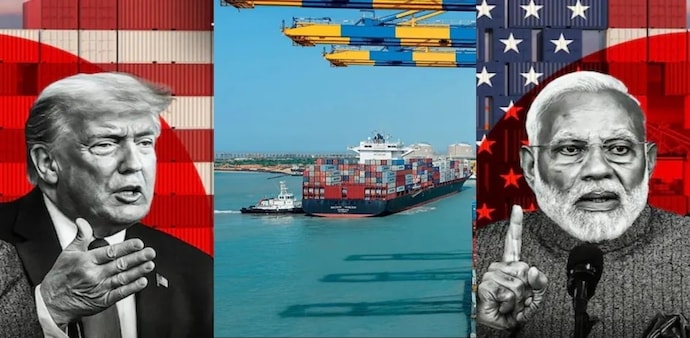
After months of uncertainty and rising trade pressure, the long-pending US-India trade deal was finally sealed on Monday night. not through a formal joint statement, but through a direct announcement by US President Donald Trump after his call with Prime Minister Narendra Modi.
Instead of letting officials handle the fine print later, Trump chose to lay out the terms himself in public, presenting the agreement as an outcome of personal outreach and quick decision-making.
“It was an honour to speak with Prime Minister Modi of India this morning. He is one of my greatest friends and a powerful and respected leader of his country. Out of friendship and respect for Prime Minister Modi and, as per his request, effective immediately, we agreed to a trade deal between the United States and India, whereby the United States will charge a reduced Reciprocal Tariff, lowering it from 25% to 18%,” Trump wrote in Truth Social.
Here are the five biggest takeaways from the announcement:
1) Tariffs cut to 18% from higher levels
The most immediate impact is a sharp reduction in import tariffs for Indian goods entering the United States. A White House official quoted by Reuters said the Trump administration has lowered the country-specific tariff on Indian imports to 18% from 25%.
For exporters, the cut brings immediate clarity after weeks of concern around further disruption.
2) Extra 25% Russian oil-linked penalty removed
The US has also rolled back the additional 25% tariff penalty that had been imposed on Indian imports over New Delhi’s purchase of Russian oil.
“We are also dropping the 25% tariff given India’s agreement to stop buying Russian oil,” the US official said, as per Reuters.
Trump echoed this in his post, saying Modi had agreed “to stop buying Russian oil, and to buy much more from the United States and, potentially, Venezuela.”
3) A reversal of the August 2025 tariff escalation
The deal marks a clear climbdown from the sharp escalation seen in August 2025, when Trump announced tariffs of up to 50% on Indian goods exported to the US, citing continued Russian oil purchases.
Those higher duties had triggered anxiety across sectors with heavy exposure to the US market, including engineering goods, textiles, chemicals and auto components.
4) ‘Zero’ tariffs and barriers for US goods: Trump’s claim
Trump also said the deal would go beyond the US cutting tariffs, adding that India would move to bring down its own tariffs and non-tariff barriers for US products to zero.
He said that, at PM Modi's request, he immediately "agreed to a trade deal" that would see India’s tariffs on US goods and non-tariff barriers reduced to zero.
5) India’s $500 billion-plus buy commitment from the US
In return for the tariff relief, Trump claimed India has committed to large-scale purchases across multiple categories.
He stated that India would buy “over $500 billion of US energy, technology, agriculture, coal and many other products."
After months of uncertainty and rising trade pressure, the long-pending US-India trade deal was finally sealed on Monday night. not through a formal joint statement, but through a direct announcement by US President Donald Trump after his call with Prime Minister Narendra Modi.
Instead of letting officials handle the fine print later, Trump chose to lay out the terms himself in public, presenting the agreement as an outcome of personal outreach and quick decision-making.
“It was an honour to speak with Prime Minister Modi of India this morning. He is one of my greatest friends and a powerful and respected leader of his country. Out of friendship and respect for Prime Minister Modi and, as per his request, effective immediately, we agreed to a trade deal between the United States and India, whereby the United States will charge a reduced Reciprocal Tariff, lowering it from 25% to 18%,” Trump wrote in Truth Social.
Here are the five biggest takeaways from the announcement:
1) Tariffs cut to 18% from higher levels
The most immediate impact is a sharp reduction in import tariffs for Indian goods entering the United States. A White House official quoted by Reuters said the Trump administration has lowered the country-specific tariff on Indian imports to 18% from 25%.
For exporters, the cut brings immediate clarity after weeks of concern around further disruption.
2) Extra 25% Russian oil-linked penalty removed
The US has also rolled back the additional 25% tariff penalty that had been imposed on Indian imports over New Delhi’s purchase of Russian oil.
“We are also dropping the 25% tariff given India’s agreement to stop buying Russian oil,” the US official said, as per Reuters.
Trump echoed this in his post, saying Modi had agreed “to stop buying Russian oil, and to buy much more from the United States and, potentially, Venezuela.”
3) A reversal of the August 2025 tariff escalation
The deal marks a clear climbdown from the sharp escalation seen in August 2025, when Trump announced tariffs of up to 50% on Indian goods exported to the US, citing continued Russian oil purchases.
Those higher duties had triggered anxiety across sectors with heavy exposure to the US market, including engineering goods, textiles, chemicals and auto components.
4) ‘Zero’ tariffs and barriers for US goods: Trump’s claim
Trump also said the deal would go beyond the US cutting tariffs, adding that India would move to bring down its own tariffs and non-tariff barriers for US products to zero.
He said that, at PM Modi's request, he immediately "agreed to a trade deal" that would see India’s tariffs on US goods and non-tariff barriers reduced to zero.
5) India’s $500 billion-plus buy commitment from the US
In return for the tariff relief, Trump claimed India has committed to large-scale purchases across multiple categories.
He stated that India would buy “over $500 billion of US energy, technology, agriculture, coal and many other products."