
Kerala semi-high-speed rail project may cost less than new tracks, says E Sreedharan
The proposed railway line would largely run on an elevated viaduct, reducing land acquisition requirements and allowing a narrower infrastructure design
- Nov 25, 2026,
- Updated Nov 25, 2026 6:15 PM IST
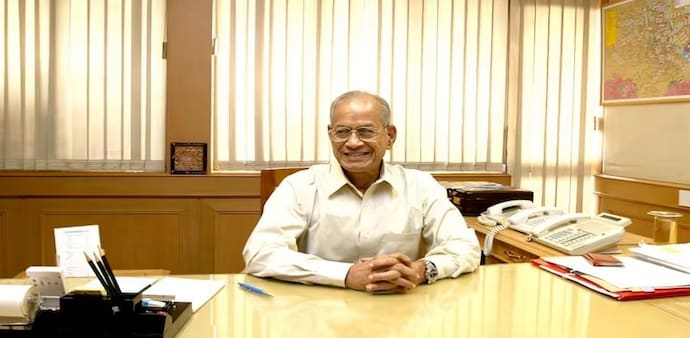
Kerala’s proposed semi-high-speed rail corridor connecting Thiruvananthapuram and Kannur could require less investment than constructing additional railway tracks alongside the existing network, technocrat E Sreedharan has said, renewing his push for the project amid delays in the state government’s response.
The proposed 472-km corridor is estimated to cost around ₹60,000 crore and is designed for a maximum speed of 200 kmph. According to Sreedharan, the journey between Thiruvananthapuram and Kannur could be completed in approximately three-and-a-half hours, offering a faster alternative for commuters travelling across Kerala.
Speaking after delivering a lecture titled ‘High-Speed Rail for Keralam’, organised by the Kochi centre of the Institution of Engineers (India), Sreedharan said the project could be a more practical option than developing third and fourth railway lines across the state.
READ THIS: ‘How can this happen?’: Passenger gets berth 54 in AC 2-tier coach with only 52 berths
“The cost involved, the huge extent of land required and the time needed for completion make the third and fourth lines less viable. High-speed rail is a better alternative and can substantially reduce the need for additional railway lines,” he said, as reported by The New Indian Express.
Elevated corridor and solar power to reduce costs
The proposed railway line would largely run on an elevated viaduct, reducing land acquisition requirements and allowing a narrower infrastructure design. The project would use standard-gauge tracks designed for a 15-tonne axle load, compared with the 25-tonne axle load used by conventional broad-gauge railway lines.
Sreedharan has also proposed installing solar panels along both sides of the elevated corridor to meet the railway’s electricity requirements. According to his estimates, the arrangement could reduce operating and maintenance expenses by nearly one-third.
The proposed funding model envisages the Centre and Kerala government jointly contributing 60% of the capital expenditure, with the remaining 40% raised through crowdfunding. Sreedharan has also suggested equity-based crowdfunding as an option if the state faces difficulties arranging its share.
The proposed fare for the complete Thiruvananthapuram-Kannur journey is ₹800. The corridor would initially operate 12-coach trains at 30-minute intervals, with the frequency potentially increasing to one train every five minutes depending on passenger demand. Stations are proposed at intervals of approximately 25 km.
Sreedharan flags delay in government response
Despite outlining the project's potential benefits, Sreedharan expressed disappointment over the lack of a formal response from the state government to his interim report, submitted in May. He said an expert committee had also submitted its recommendations, but a decision remained pending.
“The project is the need of the hour for the state. The people are ready and have welcomed the project. But I have no idea why the state government is not taking proactive steps,” he said.