
'King of Mangoes' faces the heat: Weather devastates Maharashtra's Alphonso belt
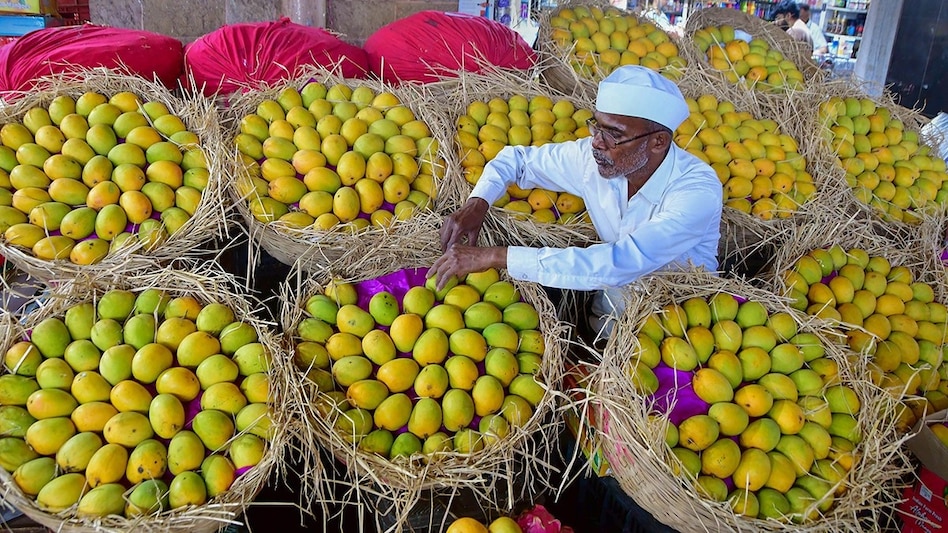
India is the world's largest mango producer and harvested 28 million metric tonnes of the fruit in 2024-25
- May 26, 2026,
- Updated May 26, 2026 2:43 PM IST
The country's famed Alphonso mango crop has suffered severe losses this year after unusual weather conditions damaged orchards across Maharashtra, Reuters reported on Tuesday.
In Devgad, one of Maharashtra's best-known Alphonso-growing regions, 26-year-old horticulturist Komal Walke said her family's three-acre orchard produced almost no Alphonso mangoes this season.
Walke has been forced to source fruit from larger farms to meet orders from online grocery companies and retain customers. "If we don't deliver on our orders, the big clients will not return next year," she told Reuters.
Don't Miss: Super El Niño alert: How a powerful Pacific warming could hit India’s monsoon & food prices
India is the world's largest mango producer and harvested 28 million metric tonnes of the fruit in 2024-25, according to data cited in the report from research and ratings agency CRISIL.
Maharashtra is particularly known for Alphonso mangoes, often referred to as the "King of Mangoes". However, agriculture officials said extreme weather severely affected flowering, fruit setting and fruit development this year.
A sharp variation between day and night temperatures during December and January disrupted flowering, while unusually hot conditions in April and May further damaged the crop, the report said, citing Bapusaheb Manikrao Lambade, a government agriculture officer in Devgad.
A government-backed survey conducted by scientists and field officials estimated crop losses in Devgad at between 85% and 90%, according to a copy reviewed by Reuters. Similar damage was reported in other mango-growing areas of Maharashtra.
The losses come as concerns grow over the impact of El Niño, a climate phenomenon linked to changes in global weather patterns. A strong El Niño is expected this year and is forecast to affect agricultural production across parts of Asia, South America and Africa.
The India Meteorological Department has also forecast above-normal heatwave days across parts of eastern, central and northwestern India during the April-June hot weather season.
India's mango industry was valued at about $2.3 billion, or nearly ₹22,180 crore, last year, the report said, citing research firm Mordor Intelligence. The market is expected to grow to about $3.4 billion, or roughly ₹32,790 crore, by 2031.
Although most mangoes are consumed domestically, India also exports substantial quantities. India exported mangoes worth about $56 million (around ₹540 crore) and mango pulp worth $80 million (around ₹771 crore) in 2025.
The weather-related losses have coincided with a decline in exports following disruptions in West Asia.
Freight costs have more than doubled, while delays and cancellations of shipments to Gulf destinations such as Dubai and Oman have reduced exports.
Shridhar Pathak, co-founder of mango exporter Shreevali Agro, told Reuters that his company's shipments have fallen by nearly 40% this year. Fruit originally earmarked for overseas markets is now being sold domestically, putting pressure on prices despite lower production, he said.
The country's famed Alphonso mango crop has suffered severe losses this year after unusual weather conditions damaged orchards across Maharashtra, Reuters reported on Tuesday.
In Devgad, one of Maharashtra's best-known Alphonso-growing regions, 26-year-old horticulturist Komal Walke said her family's three-acre orchard produced almost no Alphonso mangoes this season.
Walke has been forced to source fruit from larger farms to meet orders from online grocery companies and retain customers. "If we don't deliver on our orders, the big clients will not return next year," she told Reuters.
Don't Miss: Super El Niño alert: How a powerful Pacific warming could hit India’s monsoon & food prices
India is the world's largest mango producer and harvested 28 million metric tonnes of the fruit in 2024-25, according to data cited in the report from research and ratings agency CRISIL.
Maharashtra is particularly known for Alphonso mangoes, often referred to as the "King of Mangoes". However, agriculture officials said extreme weather severely affected flowering, fruit setting and fruit development this year.
A sharp variation between day and night temperatures during December and January disrupted flowering, while unusually hot conditions in April and May further damaged the crop, the report said, citing Bapusaheb Manikrao Lambade, a government agriculture officer in Devgad.
A government-backed survey conducted by scientists and field officials estimated crop losses in Devgad at between 85% and 90%, according to a copy reviewed by Reuters. Similar damage was reported in other mango-growing areas of Maharashtra.
The losses come as concerns grow over the impact of El Niño, a climate phenomenon linked to changes in global weather patterns. A strong El Niño is expected this year and is forecast to affect agricultural production across parts of Asia, South America and Africa.
The India Meteorological Department has also forecast above-normal heatwave days across parts of eastern, central and northwestern India during the April-June hot weather season.
India's mango industry was valued at about $2.3 billion, or nearly ₹22,180 crore, last year, the report said, citing research firm Mordor Intelligence. The market is expected to grow to about $3.4 billion, or roughly ₹32,790 crore, by 2031.
Although most mangoes are consumed domestically, India also exports substantial quantities. India exported mangoes worth about $56 million (around ₹540 crore) and mango pulp worth $80 million (around ₹771 crore) in 2025.
The weather-related losses have coincided with a decline in exports following disruptions in West Asia.
Freight costs have more than doubled, while delays and cancellations of shipments to Gulf destinations such as Dubai and Oman have reduced exports.
Shridhar Pathak, co-founder of mango exporter Shreevali Agro, told Reuters that his company's shipments have fallen by nearly 40% this year. Fruit originally earmarked for overseas markets is now being sold domestically, putting pressure on prices despite lower production, he said.