
LPG booking rules to change again from May 1? What gas cylinder users should know
With May approaching, more changes to LPG booking and delivery rules are expected, adding to a string of measures already rolled out since the crisis began
- Apr 27, 2026,
- Updated Apr 27, 2026 2:54 PM IST
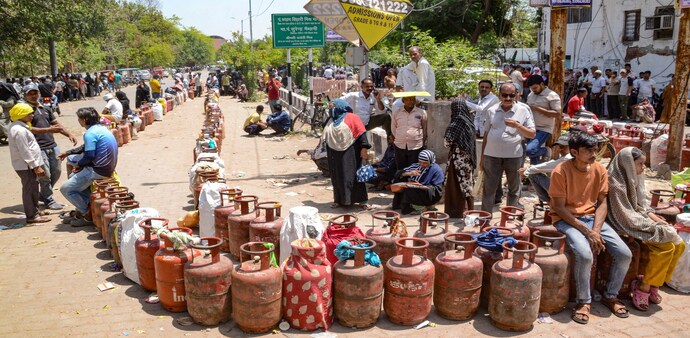
The West Asia conflict that erupted in late February has sent shockwaves through global energy markets, and Indian households are feeling it at the gas cylinder level. With May approaching, more changes to LPG booking and delivery rules are expected, adding to a string of measures already rolled out since the crisis began.
Prices have already moved and may move again
Since the US-Israel-Iran war broke out, oil marketing companies have hiked 14.2Kg domestic LPG cylinder prices by Rs 60 across India. The 19Kg commercial cylinder has seen three price increases in just one month. For April 2026, its price was hiked by Rs 196 to Rs 218 in metro cities, following a Rs 114.5 per cylinder increase on March 7, which itself came after an earlier hike of Rs 28 to Rs 31 on March 1, 2026.
Don't miss: LPG, CNG, PNG prices today, April 27: Check rates in Delhi, Mumbai, Chennai, other major cities
A further revision in LPG prices from May 1, 2026, is widely anticipated, with Indian Oil, BPCL, and HPCL reportedly in discussions over new delivery and booking rules as well.
Booking intervals and OTP delivery
The Ministry of Petroleum and Natural Gas has already tightened the booking framework. The interval between bookings has been increased from 21 to 25 days in urban areas and up to 45 days in rural areas. An OTP-based delivery authentication system, currently in place, is expected to be made permanent. Online LPG bookings have climbed to approximately 98%, while Delivery Authentication Code-based deliveries have reached around 94%, aimed at preventing diversion of subsidised cylinders.
Aadhaar eKYC: who needs to do it and when
The government has made Aadhaar-based biometric authentication mandatory for Pradhan Mantri Ujjwala Yojana beneficiaries. The ministry clarified that the eKYC requirement applies only to those LPG consumers who have not completed it so far.
Non-PMUY customers who have already done it are not required to repeat the process. For PMUY customers, the authentication is required only once per financial year, and only to receive targeted DBT subsidies after seven refills, that is, from the eighth refill onwards.
Switch to PNG or risk losing your LPG connection
One of the more significant policy shifts involves the government's push to transition households from LPG to piped natural gas. PNG consumers have already been prohibited from surrendering their domestic LPG connections and are banned from applying for new ones. A government order issued in late March went a step further: LPG supply shall cease after three months if a household does not switch to PNG despite availability in their area.
Since March 2026, approximately 5.45 lakh PNG connections have been established, with infrastructure in place for an additional 2.62 lakh, taking the total to 8.07 lakh connections. Around 6.14 lakh customers have registered for new connections.
Supply picture: Domestic consumers prioritised
Despite the ongoing geopolitical disruption, the government has maintained that 100% supply is being ensured for domestic LPG, domestic PNG, and CNG for transport. On the commercial side, priority has been given to hospitals, educational institutions, and sectors such as pharma, steel, automobiles, seeds, and agriculture. Supply of 5Kg cylinders to migrant labour has also been doubled.
The West Asia conflict that erupted in late February has sent shockwaves through global energy markets, and Indian households are feeling it at the gas cylinder level. With May approaching, more changes to LPG booking and delivery rules are expected, adding to a string of measures already rolled out since the crisis began.
Prices have already moved and may move again
Since the US-Israel-Iran war broke out, oil marketing companies have hiked 14.2Kg domestic LPG cylinder prices by Rs 60 across India. The 19Kg commercial cylinder has seen three price increases in just one month. For April 2026, its price was hiked by Rs 196 to Rs 218 in metro cities, following a Rs 114.5 per cylinder increase on March 7, which itself came after an earlier hike of Rs 28 to Rs 31 on March 1, 2026.
Don't miss: LPG, CNG, PNG prices today, April 27: Check rates in Delhi, Mumbai, Chennai, other major cities
A further revision in LPG prices from May 1, 2026, is widely anticipated, with Indian Oil, BPCL, and HPCL reportedly in discussions over new delivery and booking rules as well.
Booking intervals and OTP delivery
The Ministry of Petroleum and Natural Gas has already tightened the booking framework. The interval between bookings has been increased from 21 to 25 days in urban areas and up to 45 days in rural areas. An OTP-based delivery authentication system, currently in place, is expected to be made permanent. Online LPG bookings have climbed to approximately 98%, while Delivery Authentication Code-based deliveries have reached around 94%, aimed at preventing diversion of subsidised cylinders.
Aadhaar eKYC: who needs to do it and when
The government has made Aadhaar-based biometric authentication mandatory for Pradhan Mantri Ujjwala Yojana beneficiaries. The ministry clarified that the eKYC requirement applies only to those LPG consumers who have not completed it so far.
Non-PMUY customers who have already done it are not required to repeat the process. For PMUY customers, the authentication is required only once per financial year, and only to receive targeted DBT subsidies after seven refills, that is, from the eighth refill onwards.
Switch to PNG or risk losing your LPG connection
One of the more significant policy shifts involves the government's push to transition households from LPG to piped natural gas. PNG consumers have already been prohibited from surrendering their domestic LPG connections and are banned from applying for new ones. A government order issued in late March went a step further: LPG supply shall cease after three months if a household does not switch to PNG despite availability in their area.
Since March 2026, approximately 5.45 lakh PNG connections have been established, with infrastructure in place for an additional 2.62 lakh, taking the total to 8.07 lakh connections. Around 6.14 lakh customers have registered for new connections.
Supply picture: Domestic consumers prioritised
Despite the ongoing geopolitical disruption, the government has maintained that 100% supply is being ensured for domestic LPG, domestic PNG, and CNG for transport. On the commercial side, priority has been given to hospitals, educational institutions, and sectors such as pharma, steel, automobiles, seeds, and agriculture. Supply of 5Kg cylinders to migrant labour has also been doubled.