


 LPG, CNG, PNG prices on April 27: Check rates across major cities
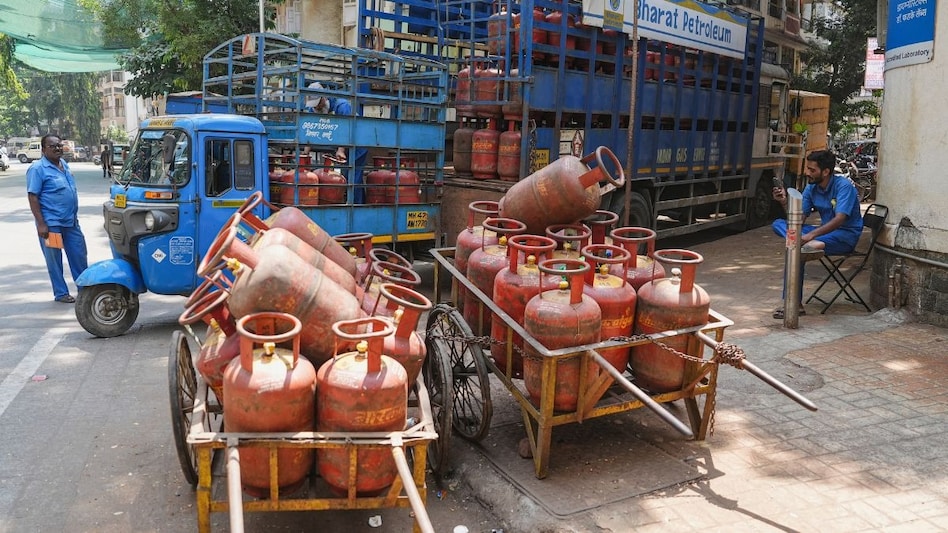
LPG, CNG, PNG prices today: Concerns over LPG, CNG and PNG pricing remain in focus as uncertainty continues as US President Donald Trump called off the peace talks in Islamabad. He said Iran must call them if they want to hold peace talks. Meanwhile, the blockade of the Strait of Hormuz continues. This is of particular significance for India, which imports more than 40 per cent of its crude oil and 90 per cent of its LPG from West Asian countries.
The supply situation has already affected prices and consumption, while the government has moved to protect household supplies and speed up the shift towards piped natural gas. In Delhi, the price of a 19-kg commercial LPG cylinder was recently raised by Rs 195.50 to Rs 2,078.50. The increase from April 1 has been linked to a 44 per cent rise in the Saudi Contract Price, which climbed from $542 per tonne in March to $780 per tonne in April.

 90% EVs exported out of India are from Maruti Suzuki: MD & CEO Hisashi Takeuchi
 India's $30 trillion goal needs 8-10% growth, $400 billion more annual investment: Jayant Sinha
 1.1 billion barrels gone: IMF warns that global oil market is running out of safety cushions
 From Devbhoomi to industrial destination: Uttarakhand’s manufacturing moment
 India’s deep-tech startups face a new test: Crossing the valley of death
 #IndiaAt100 : Adipen Bose Nandhiji On Conscious Capitalism- Can Profit & Purpose Coexist?
 #IndiaAt100 : Hisashi Takeuchi On Driving India’s Manufacturing Revolution
 #IndiaAt100 : Manufacturing For Viksit Bharat | Can Industry Power India’s $30-Trillion Dream?
 #IndiaAt100 : Tarun Garg On Hyundai & India’s Manufacturing Powerhouse Ambition
 #IndiaAt100 : CM Pushkar Singh Dhami On Uttarakhand’s Industrial Growth & India’s Next Leap
 Cupid, NTPC Green, NTPC, Raymond Realty, HAL shares: Key technical levels to watch
 Defence stock with Rs 2,654-crore order book hits record high; here's why
  GACM Technologies: FII holding jumps to 29%; penny stock in focus
 Puravankara shares rise 5% on fresh order win
  20 high-conviction ideas for up to 95% upside | stocks to buy
  Panvel adds 42,330 homes outpacing Navi Mumbai as airport-led realty boom takes shape
 NHAI’s ₹350 monthly toll pass now available: who can apply? Check eligibility and benefits
 90 million litres of glacier water every day: How Ladakh is reviving 1,000 acres of farmland#IndiaAt100 : Adipen Bose Nandhiji On Conscious Capitalism- Can Profit & Purpose Coexist?#IndiaAt100 : Hisashi Takeuchi On Driving India’s Manufacturing Revolution












