
LPG or PNG: Which one is better for you?
Environmental impact is another area where PNG stands out. It burns cleaner than LPG, producing fewer emissions and leaving almost no residue.
- Mar 25, 2026,
- Updated Mar 25, 2026 5:55 PM IST
The debate over cooking gas is quietly shifting inside Indian homes. What was once a routine decision is now becoming a practical choice shaped by access, cost, and everyday convenience. With piped natural gas (PNG) expanding across cities, many households are rethinking whether to continue with LPG cylinders or switch to PNG. India is currently facing a significant LPG supply shortage due to regional tensions, including the ongoing blockade of the Strait of Hormuz and damage to key liquefaction facilities in the Gulf.
Also read : Who are 'notified PNG customers’ and why it matters for your LPG connection
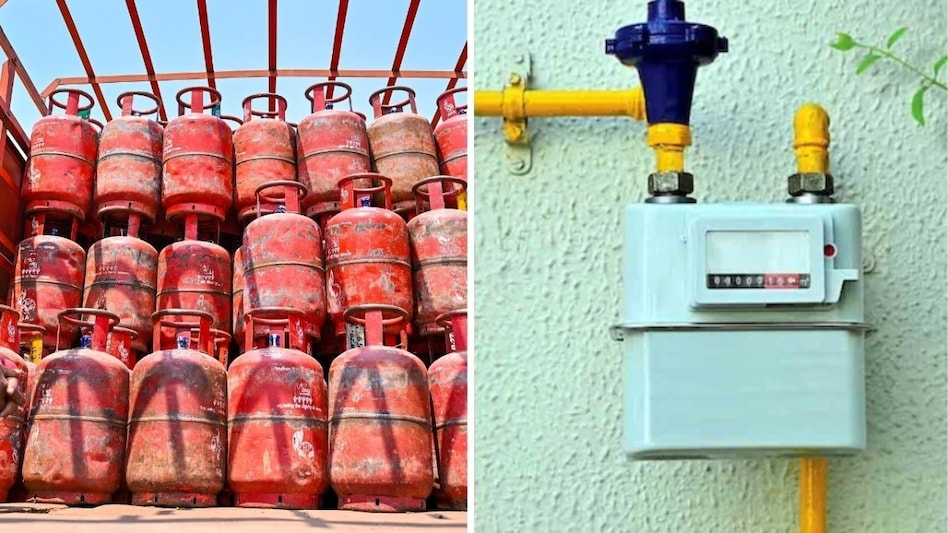
For homes where pipelines have reached the doorstep, PNG is increasingly becoming the default option for daily use. The biggest advantage is continuity. There is no need to track refill dates or worry about a cylinder running out in the middle of cooking. Gas flows through a pipeline, much like water, making the experience predictable and uninterrupted.
This convenience is visible in daily use. LPG users often have to manage bookings, wait for deliveries, and handle the physical effort of replacing cylinders. PNG removes this routine entirely. Kitchens become easier to manage, with no bulky cylinders taking up space or requiring attention.
MUST READ | Want a PNG connection at home? Here's how to apply, costs and timeline
Safety is another key factor when comparing the two. PNG has an advantage because it is lighter than air, so in case of a leak, it disperses quickly in open surroundings. LPG is heavier and can accumulate near the floor, especially in closed spaces. PNG systems also operate at lower pressure and usually include shut-off valves that can quickly stop supply if needed.
The payment system is also different. With PNG, households are billed based on actual usage through a meter, with payments typically made monthly or bi-monthly. LPG, in contrast, requires a lump-sum payment every time a cylinder is booked, regardless of how long it lasts.
MUST READ | PNG mandatory for notified consumers, LPG supply may stop after 3 months
Environmental impact is another area where PNG stands out. It burns cleaner than LPG, producing fewer emissions and leaving almost no residue. This helps reduce indoor pollution and keeps kitchen appliances cleaner over time.
Despite these advantages, LPG continues to remain the backbone of cooking fuel across India because of its wide reach. It is available in cities as well as remote villages and does not depend on pipeline infrastructure, making it more practical for many households.
PNG also involves upfront costs, including installation charges and security deposits. In addition, some households may need compatible appliances for better efficiency and safety.
MUST READ | Who are 'notified PNG customers’ and why it matters for your LPG connection
In the end, the choice depends on location and usage. Where PNG connectivity is available, it offers greater convenience and cleaner fuel. Where it is not, LPG remains a reliable and flexible option.
The debate over cooking gas is quietly shifting inside Indian homes. What was once a routine decision is now becoming a practical choice shaped by access, cost, and everyday convenience. With piped natural gas (PNG) expanding across cities, many households are rethinking whether to continue with LPG cylinders or switch to PNG. India is currently facing a significant LPG supply shortage due to regional tensions, including the ongoing blockade of the Strait of Hormuz and damage to key liquefaction facilities in the Gulf.
Also read : Who are 'notified PNG customers’ and why it matters for your LPG connection
For homes where pipelines have reached the doorstep, PNG is increasingly becoming the default option for daily use. The biggest advantage is continuity. There is no need to track refill dates or worry about a cylinder running out in the middle of cooking. Gas flows through a pipeline, much like water, making the experience predictable and uninterrupted.
This convenience is visible in daily use. LPG users often have to manage bookings, wait for deliveries, and handle the physical effort of replacing cylinders. PNG removes this routine entirely. Kitchens become easier to manage, with no bulky cylinders taking up space or requiring attention.
MUST READ | Want a PNG connection at home? Here's how to apply, costs and timeline
Safety is another key factor when comparing the two. PNG has an advantage because it is lighter than air, so in case of a leak, it disperses quickly in open surroundings. LPG is heavier and can accumulate near the floor, especially in closed spaces. PNG systems also operate at lower pressure and usually include shut-off valves that can quickly stop supply if needed.
The payment system is also different. With PNG, households are billed based on actual usage through a meter, with payments typically made monthly or bi-monthly. LPG, in contrast, requires a lump-sum payment every time a cylinder is booked, regardless of how long it lasts.
MUST READ | PNG mandatory for notified consumers, LPG supply may stop after 3 months
Environmental impact is another area where PNG stands out. It burns cleaner than LPG, producing fewer emissions and leaving almost no residue. This helps reduce indoor pollution and keeps kitchen appliances cleaner over time.
Despite these advantages, LPG continues to remain the backbone of cooking fuel across India because of its wide reach. It is available in cities as well as remote villages and does not depend on pipeline infrastructure, making it more practical for many households.
PNG also involves upfront costs, including installation charges and security deposits. In addition, some households may need compatible appliances for better efficiency and safety.
MUST READ | Who are 'notified PNG customers’ and why it matters for your LPG connection
In the end, the choice depends on location and usage. Where PNG connectivity is available, it offers greater convenience and cleaner fuel. Where it is not, LPG remains a reliable and flexible option.