
LPG supply concerns: Centre brings back kerosene, coal as cooking fuel amid West Asia conflict
The government has allocated an additional 48,000 kilolitres of kerosene to states over and above the regular quota of one lakh kilolitres for household use
- Mar 13, 2026,
- Updated Mar 13, 2026 1:08 PM IST
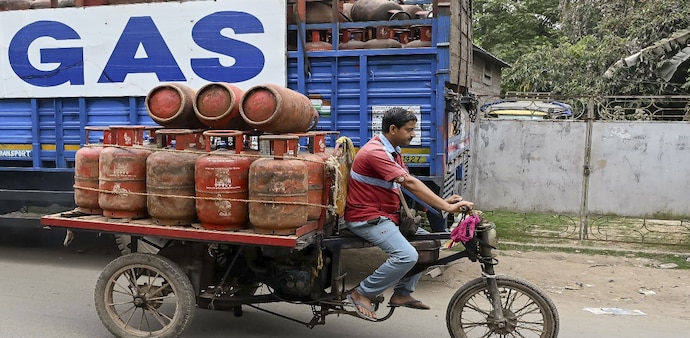
Amid disruptions in energy supplies linked to the ongoing conflict in West Asia, the Centre has temporarily reintroduced kerosene and coal as alternative cooking fuels to ease pressure on LPG supplies.
The government has allocated an additional 48,000 kilolitres of kerosene to states, over and above the regular household-use quota of one lakh kilolitres, PTI reported. Kerosene will be distributed through Public Distribution System outlets and retail channels to support households facing LPG shortages.
The move comes as India faces disruptions in gas shipments following the closure of the Strait of Hormuz, a key sea route between Iran and Oman through which the country previously sourced more than half of its crude oil imports, around 55 per cent of its LPG, and about 30 per cent of its liquefied natural gas.
Commercial LPG users face major disruptions
With LPG supplies being prioritised for household kitchens and essential services, commercial users such as restaurants and hotels have seen their allocations reduced. To address this, the Centre has asked environmental regulators to permit the temporary use of biomass, RDF pellets and coal as alternative fuels for commercial establishments in the hospitality sector for one month, PTI reported, citing a senior oil ministry official.
RDF pellets refer to Refuse Derived Fuel made from processed municipal waste, industrial waste and agricultural residues, and are used as a lower emission alternative to coal.
Sujata Sharma, Joint Secretary in the Oil Ministry, said the government has also allowed limited sales of commercial LPG to meet part of the demand.
"The state governments will have to identify the beneficiaries," Sharma said.
Panic buying on the rise
As panic buying increased in some regions, the government extended the gap between LPG refill bookings for rural consumers to 45 days. The ordering interval had earlier been increased to 25 days from the earlier 21-day limit.
Oil Minister Hardeep Singh Puri told the Lok Sabha that India's fuel supply remains secure despite the disruptions.
"The availability of petrol, diesel, aviation turbine fuel, kerosene, and fuel oil is fully assured. Retail outlets across the country are stocked, and supply chains for these products are functioning normally," Puri said.
India currently imports about 60 per cent of its LPG, largely from Gulf countries including Qatar, the UAE, Saudi Arabia and Kuwait. To reduce dependence on the region, the government is now sourcing additional cargoes from countries such as the United States, Norway, Canada, Algeria and Russia.
According to Puri, domestic LPG production has also been increased by 28 per cent as refineries have been directed to maximise output to protect supplies for more than 33 crore households across the country.
Amid disruptions in energy supplies linked to the ongoing conflict in West Asia, the Centre has temporarily reintroduced kerosene and coal as alternative cooking fuels to ease pressure on LPG supplies.
The government has allocated an additional 48,000 kilolitres of kerosene to states, over and above the regular household-use quota of one lakh kilolitres, PTI reported. Kerosene will be distributed through Public Distribution System outlets and retail channels to support households facing LPG shortages.
The move comes as India faces disruptions in gas shipments following the closure of the Strait of Hormuz, a key sea route between Iran and Oman through which the country previously sourced more than half of its crude oil imports, around 55 per cent of its LPG, and about 30 per cent of its liquefied natural gas.
Commercial LPG users face major disruptions
With LPG supplies being prioritised for household kitchens and essential services, commercial users such as restaurants and hotels have seen their allocations reduced. To address this, the Centre has asked environmental regulators to permit the temporary use of biomass, RDF pellets and coal as alternative fuels for commercial establishments in the hospitality sector for one month, PTI reported, citing a senior oil ministry official.
RDF pellets refer to Refuse Derived Fuel made from processed municipal waste, industrial waste and agricultural residues, and are used as a lower emission alternative to coal.
Sujata Sharma, Joint Secretary in the Oil Ministry, said the government has also allowed limited sales of commercial LPG to meet part of the demand.
"The state governments will have to identify the beneficiaries," Sharma said.
Panic buying on the rise
As panic buying increased in some regions, the government extended the gap between LPG refill bookings for rural consumers to 45 days. The ordering interval had earlier been increased to 25 days from the earlier 21-day limit.
Oil Minister Hardeep Singh Puri told the Lok Sabha that India's fuel supply remains secure despite the disruptions.
"The availability of petrol, diesel, aviation turbine fuel, kerosene, and fuel oil is fully assured. Retail outlets across the country are stocked, and supply chains for these products are functioning normally," Puri said.
India currently imports about 60 per cent of its LPG, largely from Gulf countries including Qatar, the UAE, Saudi Arabia and Kuwait. To reduce dependence on the region, the government is now sourcing additional cargoes from countries such as the United States, Norway, Canada, Algeria and Russia.
According to Puri, domestic LPG production has also been increased by 28 per cent as refineries have been directed to maximise output to protect supplies for more than 33 crore households across the country.